
Introduction
Within Iran's healthcare system, hospitals are critical care centers receiving substantial resource allocation, particularly for operating room (OR) management, where efficiency impacts institutional resource distribution ( 1 , 2 ). Iran's OR environment includes multidisciplinary surgical teams (surgeons, anesthesiologists, specialized technicians) engaged in complex interprofessional collaboration ( 3 ). Current evidence indicates these teams demonstrate patient-centered care, shared clinical objectives, strong inter-professional commitment, and teamwork value consensus ( 4 ). Owing to the OR's professional nature and unique characteristics, surgical teams confront challenges including unpredictable conditions, surgeons' inconsistent responsiveness to trainees, unstable emergencies, unplanned learning opportunities from trainee errors, and rapidly evolving knowledge and technologies ( 5 , 6 ). These conditions highlight the critical significance of teamwork, inter-professional collaboration ( 7 ), and interprofessional learning with effective knowledge sharing ( 8 ).
In this context, knowledge sharing is crucial in operating rooms, given the complex tasks and temporarily formed dynamic teams ( 9 ). Surgical teams require intraoperative discussion, especially during unforeseen circumstances, as well as complex surgeries demand coordination of diverse expertise ( 10 ). The interconnected professions working under time constraints make effective teamwork and knowledge sharing vital for quality, efficiency, patient safety, and enhancing team performance via knowledge integration ( 9 , 11 ).
Despite the vital role of knowledge sharing in healthcare, especially operating rooms, no consensus exists on its precise definition ( 12 ). For example, Omotayo and Orimolade (2020) defined it as "the willingness and readiness of individuals to engage in this process with others" ( 13 ). Wiewiora, et al. (2013) defined it as "the ability to transfer information, specialized insights, and relevant experiences into practice" ( 14 ). Likewise, Rehman, et al. (2015) considered it an essential process for knowledge management, representing a cultural and social interaction through which knowledge is exchanged among individuals, communities, and organizations ( 15 ). In another study, Arab Shahi, et al. (2013) emphasized its systematic nature as the structured transfer and exchange of knowledge as well as experiences among groups with shared objectives ( 16 ). These studies demonstrate fundamental disagreements about whether knowledge sharing constitutes 'interactive behavior,' 'systematic activity,' 'unidirectional transfer,' or 'reciprocal exchange'—whereby some definitions are limited to knowledge transmission while others incorporate experiences, suggestions, and ideas. Thus, Doronin, et al. (2020) argued that developing precise operational definitions remains imperative for effective measurement and analysis ( 17 ).
Concept analysis studies are essential for advancing disciplinary knowledge and should be based on rigorous research methodologies using established concept analysis models ( 18 ). These studies enable the application of concepts in research and clinical practice, while facilitating tool development and subsequent theory testing ( 19 ). Despite the existence of numerous definitions of knowledge sharing, to the best of our knowledge, no research has yet analyzed this concept in the operating room at the national and international levels.
Methods
Study design
This qualitative study analyzes knowledge sharing in the operating room (OR), using Schwartz-Barcott and Kim's hybrid model. The model's three phases (theoretical, fieldwork, and final analysis) examine concepts within their specific context, providing comprehensive definitions for clinical concepts. Its focus is on both theoretical and empirical analysis of essential definitional aspects and is particularly relevant for studying clinical phenomena. Given the aim of the study—to identify characteristics, antecedents, and consequences of knowledge sharing in both theoretical and OR settings to define it for surgical teams—this concept analysis approach aligns with the study objectives ( 20 ).
Theoretical Phase
In this phase, a comprehensive literature review via content analysis was conducted to obtain a deep understanding of the concept of knowledge sharing in existing articles. Guided by an experienced librarian, we searched the articles in PubMed, Web of Science (WoS), Scopus, Embase, ERIC, ProQuest, SID, Magiran, and Noormagz, with no start date restriction through 2025. A collaborative search by the research team and librarian found no definitive date for the first introduction of 'knowledge sharing' in healthcare. As such, to ensure comprehensiveness and avoid excluding relevant studies, no time restrictions were applied to the literature search. Table 1 details the PubMed search syntax, keywords, and inclusion/exclusion criteria. After screening, 69 eligible articles underwent inductive content analysis using Graneheim and Lundman's approach ( 21 ) (Figure 1). Bibliographic details are outlined in Appendix A.
| Criteria | Inclusion | "Quantitative, qualitative, and review articles, as well as theses written in Persian and English that addressed the following three questions were included in the research." |
| 1. What are the characteristics of the knowledge sharing concept? | ||
| 2. What are the antecedents of the knowledge sharing concept? | ||
| 3. What are the consequences of knowledge sharing? | ||
| Exclusion | Books, conference proceedings, letters to the editor, articles in languages other than Persian and English, and articles irrelevant to the research objective were excluded | |
| PubMed search syntax | ("Knowledge Management"[Mesh] OR "Knowledge Management"[tiab] OR "Knowledge Sharing"[tiab] OR "Knowledge Brokering"[tiab] OR "Knowledge Transmission"[tiab] OR "Knowledge Dissemination"[tiab] OR "Knowledge Exchange"[tiab] OR "Knowledge Transfer"[tiab] OR "Knowledge distribution"[tiab]) AND ("Medical system*"[tiab] OR "Health system*"[tiab] OR "clinical system*"[tiab] OR "Biomedical system*"[tiab] OR "health care system*"[tiab] OR "healthcare system*"[tiab]) | |
| keywords | •"Knowledge Management" | •"clinical system*" |
| •"Knowledge Sharing" | •"Biomedical system*" | |
| •"Knowledge Brokering" | •"health care system*" | |
| •"Knowledge Transmission" | •"healthcare system*" | |
| •"Knowledge Dissemination" | •"Knowledge Transfer" | |
| •"Knowledge Exchange" | •"Knowledge distribution" | |
| "Health system*" | "Medical system*" | |
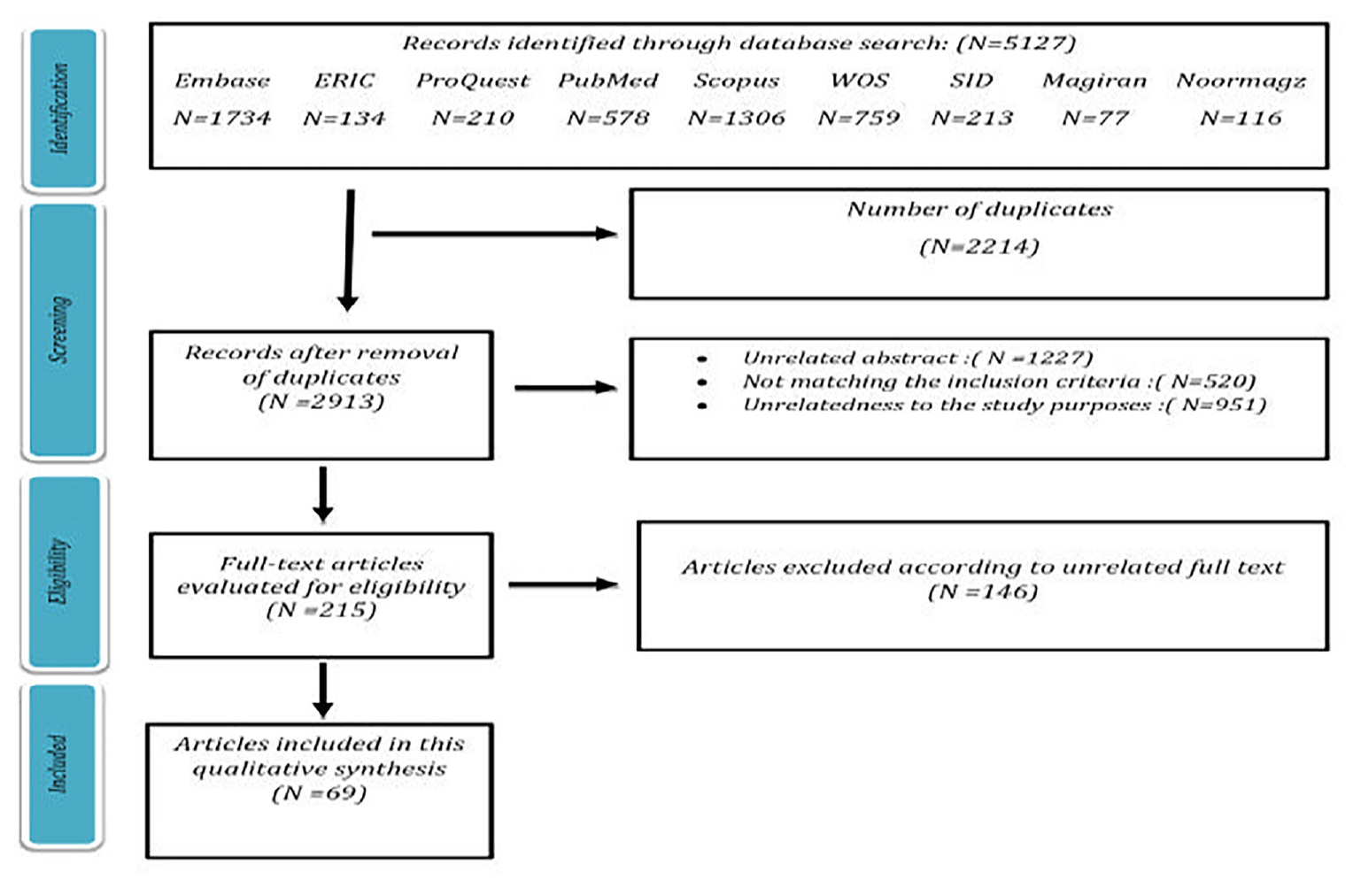
Figure 1. Flow diagram showing the entire search process
Fieldwork Phase
In this phase, we undertook a qualitative content analysis based on empirical data collected from semi-structured interviews with 25 surgical team members (including surgeons, anesthesiologists, residents, nurses, and medical students) at teaching hospitals affiliated with Iran University of Medical Sciences. Purposive sampling ensured diversity in job position, specialty, work experience (≥1 year), and gender (Table 2).
| Variable | Category | N | % |
|---|---|---|---|
| Gender | Male | 14 | 56% |
| Female | 11 | 44% | |
| Work Experience | <5 years | 10 | 40% |
| 5-10 years | 8 | 32% | |
| >10 years | 7 | 28% | |
| Position | Surgeon | 8 | 32% |
| Physician | 2 | 8% | |
| Surgical Resident | 7 | 28% | |
| Anesthesiology Resident | 1 | 4% | |
| Nurse | 5 | 20% | |
| Student | 2 | 8% | |
| Specialty | Neurosurgery | 1 | 4% |
| Orthopedics | 4 | 16% | |
| Gynecology & Obstetrics | 3 | 12% | |
| General Surgery | 3 | 12% | |
| Ear, Nose, and Throat | 3 | 12% | |
| Anesthesiology | 3 | 12% | |
| Surgical Technologists | 5 | 20% | |
| Anesthesia Technicians | 2 | 8% |
The participants received information sheets detailing the objectives, questions, and consent procedures for involvement and recording. After we obtained the participants’ consent, interviews began with guided questions: "Describe your knowledge-sharing experiences with team members," "What factors motivated you to share your knowledge?", “What personal consequences did you experience after sharing knowledge?", and " What experiences have you had so far regarding the outcomes of knowledge sharing for both patients and the surgical team?". Probing questions ("Can you provide an example?", "Can you elaborate?") facilitated deeper exploration. The responses guided subsequent questioning; when data did not fit predefined categories, additional questions were formulated using the theoretical phase matrix. Face-to-face interviews occurred in the OR staff rest areas, with confidentiality, voluntary participation, and withdrawal rights assured. The average duration was 45 minutes. Data collection and analysis continued for 10 months until saturation.
Interviews were analyzed using Elo and Kyngäs' (2008) content analysis three-stage method: preparation, organization, reporting. Along with preparation, one researcher transcribed interviews while three others reviewed them for comprehension. In the organization stage, Elo and Kyngäs' method allows for either inductive or deductive approaches. The deductive approach is employed to compare categories across periods ( 22 ) for validating and expanding a theoretical framework ( 23 ). Since the theoretical phase had already developed a matrix on knowledge sharing (including its characteristics, antecedents, and consequences) based on literature, a deductive approach was applied. This method permits either structured or unstructured study matrices ( 24 ). An unstructured deductive approach was utilized to establish initial categories while maintaining analytical flexibility beyond the predefined matrix. Three researchers independently coded all interviews, identifying meaningful units and assigning the primary codes. Coding consistency was ensured through independently coding the first five interviews, comparing codes line-by-line, and resolving discrepancies through joint sessions or review by a third qualitative expert. Consensus minimized coder bias. The codes were mapped into the matrix, with new codes prompting revisions and new subcategories. Eventually, in the reporting stage, the findings were presented, including the main categories and subcategories ( 22 ).
Saturation was defined as sufficient representation of the theoretical phase categories in interview data, achieved when no new data expanded the coding matrix, whereby all main categories had multiple consistent instances. Saturation occurred after the 21st interview; interviews 22–25 confirmed the category robustness and completeness.
Final Phase
This phase integrated theoretical and fieldwork findings, comparing knowledge sharing characteristics, antecedents, and consequences across stages to develop a comprehensive OR-specific definition.
Rigor
Scientific rigor was ensured according to Guba and Lincoln's criteria ( 25 ). Credibility was ensured through three researchers’ immersion in the data for eight months to analyze the articles and ten months to analyze the interviews. Further, a portion of the interview codes was re-examined by an external colleague skilled in qualitative research and coding, further fostering the trustworthiness of the study. To ensure transferability, the research process was transparently documented in the paper. The interview analysis was preserved by the researchers, ensuring dependability. To guarantee confirmability, a third researcher supervised the entire research process from initial data collection through text as well as interview coding.
Ethical Considerations
This study is extracted from an approved doctoral dissertation at the Iran University of Medical Sciences. The participants were assured of anonymity, information confidentiality, and the right to withdraw during the study (Code of Ethics: IR.IUMS.FMD.REC.1401.358).
Results
The theoretical phase involved inductive analysis of 69 articles, forming three tables (Tables 3-5) detailing knowledge sharing characteristics, antecedents, and consequences. These matrices were revised based on fieldwork data. The results from both phases were subsequently organized into these three categories: characteristics, antecedents, and consequences.
| Codes of the fieldwork phase [Frequency] | Subcategories in the fieldwork phase [N. of codes] | Main categories in the fieldwork phase [N. of codes] | Subcategories formed in the theoretical phase | Main categories formed in the theoretical phase |
|---|---|---|---|---|
| 𝅇 Medical theoretical knowledge [24] | Explicit knowledge [59] | Diversity of shared knowledge [99] | Explicit knowledge | Diversity of shared knowledge |
| 𝅇 Evidence-based knowledge [5] | ||||
| 𝅇 Procedural knowledge [30] | ||||
| 𝅇 Experiences [30] | Tacit knowledge [40] | Tacit knowledge | ||
| 𝅇 Clinical errors [4] | ||||
| 𝅇 Suggestions [6] | ||||
| 𝅇 Being voluntary [18] | Interactive and voluntary behavior [32] | Interactive and voluntary multi-directional sharing [88] | Interactive and voluntary behavior | Interactive and voluntary multi-directional sharing |
| 𝅇 Being interactive [9] | ||||
| 𝅇 Positive interactions [5] | ||||
| 𝅇 Being reciprocal [Bidirectional] [35] | Diversity in sharing directions [56] | Diversity in sharing directions | ||
| 𝅇 Knowledge transmission by sender and absorption by receiver [one-way] [21] | ||||
| 𝅇 Transfer of acquired knowledge in knowledge sharing to other surgical teams [3] | Process-oriented [26] | Purposeful process [98] | Process-oriented | Purposeful process |
| 𝅇 Applying acquired knowledge in clinical practice [5] | ||||
| 𝅇 Future application of acquired knowledge [5] | ||||
| 𝅇 Generating new knowledge [6] | ||||
| 𝅇 Being process-oriented [7] | ||||
| 𝅇 Aiming to train competent physicians [6] | Purposeful [72] | Purposeful | ||
| 𝅇 Aiming to learn professional commitment [2] | ||||
| 𝅇 Aiming to prevent patient harm [8] | ||||
| 𝅇 Aiming to reduce workload [12] | ||||
| 𝅇 Aiming to provide quality healthcare services [18] | ||||
| 𝅇 Aiming to prevent recurrence of clinical errors [6] | ||||
| 𝅇 Aiming to prevent clinical errors [7] | ||||
| 𝅇 Aiming to boost self-confidence [2] | ||||
| 𝅇 Aiming to ensure patient safety [11] | ||||
| 𝅇 Intra-professional [33] | Interpersonal [60] | Varied sharing levels [104] | Interpersonal | Varied sharing levels |
| 𝅇 Inter-professional [23] | ||||
| 𝅇 Between the patient and the surgical team [4] | ||||
| 𝅇 Vertical level [top-down] of organizational hierarchy [19] | Organizational [44] | Organizational | ||
| 𝅇 Vertical level [bottom-up] of organizational hierarchy [18] | ||||
| 𝅇 Horizontal level of organizational hierarchy [7] | ||||
| - | - | Inter-team | ||
| - | - | Globally | ||
| 𝅇 Role modeling training [15] | Formal [40] | Diverse sharing methods [95] | Formal | Diverse sharing methods |
| 𝅇 Supervised Surgical Training [13] | ||||
| 𝅇 Scaffolding-based Training [6] | ||||
| 𝅇 In-operative room training sessions [6] | ||||
| 𝅇 Daily discussions and dialogues[16] | Informal [47] | Informal | ||
| 𝅇 Peer-assisted learning[10] | ||||
| 𝅇 Observation [21] | ||||
| 𝅇 Virtual groups [5] | Web-based [8] | Web-based | ||
| 𝅇 Video calls [3] |
| Codes of the fieldwork phase (Frequency) | Subcategories in the fieldwork phase (N. of codes) | Main categories in the fieldwork phase (N. of codes) | Subcategories formed in the theoretical phase | Main categories formed in the theoretical phase |
|---|---|---|---|---|
| 𝅇 Presence of trust in interpersonal relationship [8] | Trust and Cooperation [32] | Individual and Knowledge Factors [260] | Trust and Cooperation | Individual Factors |
| 𝅇 Trust in the knowledge recipient's individual performance [12] | ||||
| 𝅇 Trust in the knowledge sender's expertise [9] | ||||
| 𝅇 Presence of interpersonal collaboration [3] | ||||
| 𝅇 Impact of individual personality on knowledge sharing [15] | Personality Traits [40] | Personality Traits | ||
| 𝅇 Enhanced knowledge sharing with extroverted individuals [4] | ||||
| 𝅇 Knowledge sharing with teachable personality types [7] | ||||
| 𝅇 Increased knowledge sharing with curious individuals [4] | ||||
| 𝅇 Enhanced knowledge sharing with generosity traits [10] | ||||
| 𝅇 Possessing a positive attitude toward knowledge sharing [19] | Psychological Drivers [109] | Psychological Drivers | ||
| 𝅇 Belief in the importance of knowledge sharing [12] | ||||
| 𝅇 Possessing broad vision [24] | ||||
| 𝅇 Motivation toward prestige acquisition [3] | ||||
| 𝅇 Interest in teaching [17] | ||||
| 𝅇 Interest in the academic discipline [2] | ||||
| 𝅇 Interest in learning [20] | ||||
| 𝅇 Financial motivation [9] | ||||
| 𝅇 Prevention of legal consequences [3] | ||||
| 𝅇 Medical consultation [20] | Clinical Factors Related to the Patient [44] | Clinical Factors Related to the Patient | ||
| 𝅇 Complex and difficult surgeries [12] | ||||
| 𝅇 Novel and interesting surgical case [12] | ||||
| 𝅇 Conducting a preoperative study before surgery [7] | Cognitive Factors [17] | - | ||
| 𝅇 Necessity of the recipient's awareness and understanding of terms and concepts [10] | ||||
| 𝅇 Practical applicability of content [3] | Content-Related Motivators [18] | - | ||
| 𝅇 Content attractiveness [5] | ||||
| 𝅇 Novel content [7] | ||||
| 𝅇 High importance of content [3] | ||||
| 𝅇 Presence of a learning culture in the work environment [5] | Organizational Culture [15] | Organizational Factors [238] | Organizational Culture | Organizational and Policy Factors |
| 𝅇 Presence of a knowledge-sharing culture [8] | ||||
| 𝅇 Presence of a supportive culture in the environment [2] | ||||
| Respectful educational climate [17] | Favorable Organizational Climate [40] | Favorable Organizational Atmosphere | ||
| 𝅇 Friendly and warm climate [11] | ||||
| 𝅇 Positive climate [9] | ||||
| 𝅇 Positive interpersonal conflict [3] | ||||
| 𝅇 Being responsible [14] | Adherence to Professional and Organizational Commitment [80] | Adherence to Professional and Organizational Commitment | ||
| 𝅇 Being empathetic [15] | ||||
| 𝅇 Being altruistic [9] | ||||
| 𝅇 Adherence to professional commitment [21] | ||||
| 𝅇 Commitment to the clinical teacher role [10] | ||||
| 𝅇 Adherence to organizational commitment [7] | ||||
| 𝅇 Ethical behavior [4] | ||||
| 𝅇 Financial and material incentives [3] | Presence of Incentives [5] | Presence of Incentives | ||
| 𝅇 Acknowledging personnel [2] | ||||
| 𝅇 Proper managerial performance [7] | Presence of Efficient Leadership and Management [24] | Presence of Efficient Leadership and Management | ||
| 𝅇 Clinical leadership support [4] | ||||
| 𝅇 Surgeon's democratic leadership style [9] | ||||
| 𝅇 Presence of an ethical leader in the environment [4] | ||||
| 𝅇 Timely knowledge sharing [8] | Resource Allocation [40] | Resource Allocation | ||
| 𝅇 Stable and appropriate surgical conditions [20] | ||||
| 𝅇 Teaching hospital [8] | ||||
| 𝅇 Appropriate environmental conditions in the operating room [4] | ||||
| 𝅇 Necessity of an inter-professional education curriculum [5] | Planning and Evaluation [14] | Planning and Evaluation | ||
| 𝅇 Necessity of an intra-professional education curriculum [2] | ||||
| 𝅇 Effective curriculum [4] | ||||
| 𝅇 Curriculum assessment [1] | ||||
| 𝅇 Assessment of knowledge-sharing behavior [2] | ||||
| 𝅇 Nature of surgical teamwork [8] | Surgical Team Drivers [20] | - | ||
| 𝅇 Possessing a shared goal among surgical team members [3] | ||||
| 𝅇 Type of surgical field [9] | ||||
| - | - | Policy and Geographical Distance Factors |
| Codes of the fieldwork phase (Frequency) | Subcategories in the fieldwork phase (N. of codes) | Main categories in the fieldwork phase (N. of codes) | Subcategories formed in the theoretical phase | Main categories formed in the theoretical phase |
|---|---|---|---|---|
| 𝅇 Job achievement [6] | Individual [66] | Individual, Team, and Therapeutic Consequences [127] | Individual | Individual and Team Consequences |
| 𝅇 Learning occurrence [9] | ||||
| 𝅇 Empowerment of physicians [2] | ||||
| 𝅇 Learning teaching methods [2] | ||||
| 𝅇 Improvement of personal income generation [3] | ||||
| 𝅇 Individual reflection [4] | ||||
| 𝅇 Retention of content in memory [9] | ||||
| 𝅇 Review of learned content [4] | ||||
| 𝅇 Updating personal knowledge [7] | ||||
| 𝅇 Personal growth [2] | ||||
| 𝅇 Increasing self-confidence [8] | ||||
| 𝅇 Gaining pleasant experience [10] | ||||
| 𝅇 Increasing collaboration [10] | Team [18] | Team | ||
| 𝅇 Benefiting from collective thinking [2] | ||||
| 𝅇 Formation of new connections [3] | ||||
| 𝅇 Strengthening team relationships [3] | ||||
| 𝅇 Enhancing healthcare service quality [13] | Therapeutic Consequences [43] | Therapeutic Consequences | Therapeutic and Research Consequences | |
| 𝅇 Achieving patient satisfaction [6] | ||||
| 𝅇 Reducing medical errors [4] | ||||
| 𝅇 Decreasing treatment complications [10] | ||||
| 𝅇 Shortening hospital stays [4] | ||||
| 𝅇 Lowering non-financial costs for patients [2] | ||||
| 𝅇 Reducing patients' economic costs [4] | ||||
| - | Positive Research Consequences | |||
| 𝅇 Preserving organizational knowledge [5] | Enhancing Knowledge and Improving Organizational Status [17] | Organizational Consequences [30] | Enhancing Knowledge and Improving Organizational Status | Organizational Consequences |
| 𝅇 Enhancing organizational knowledge [3] | ||||
| 𝅇 Achieving a higher accreditation ranking [5] | ||||
| 𝅇 Reducing organizational costs [4] | ||||
| - | - | Promoting Accountability and Organizational Survival | ||
| 𝅇 Increasing operating room turnover [3] | Operating Room Efficiency [13] | - | ||
| 𝅇 Reducing surgical time [4] | ||||
| 𝅇 Accelerating task completion [6] |
Characteristics of Knowledge Sharing
Content analysis of fieldwork data confirmed and complemented the five main categories derived from the theoretical phase in Table 3 regarding knowledge-sharing characteristics. These five main categories included: diversity of shared knowledge, interactive and voluntary multi-directional sharing, purposeful process, varied sharing levels, and diverse sharing methods. At this phase, the matrix was modified by eliminating two subcategories: 1) inter-team and 2) globally within the main category of varied sharing levels.
1. Diversity of Shared Knowledge
In the theoretical phase, content analysis indicated that healthcare professionals share diverse tacit and explicit knowledge. Tacit knowledge included shared experiences ( 26 - 36 ), clinical errors ( 37 , 38 ), individual understanding ( 39 , 40 ), and opinions/suggestions ( 28 , 41 - 44 ). Explicit knowledge consisted of medical knowledge ( 28 , 39 , 41 , 45 ), practical knowledge ( 28 , 33 , 46 ), clinical knowledge, evidence-based knowledge ( 35 , 36 , 47 ), and healthcare achievements ( 31 , 41 , 45 ).
Regarding explicit knowledge sharing, an ENT resident stated, "Operating room nurses test us on the theories more than we do during the actual surgery... Why is this surgery being done this way? Why is the surgery even performed? Which part are you removing?" (Participant (p. 16).
Regarding tacit knowledge sharing, an anesthesia specialist stated, "The surgery professors share experiences they've gained from years of working with me." (p. 5)
2. Interactive and voluntary multi-directional sharing
In the theoretical phase, we found that knowledge sharing is considered a behavior ( 33 , 45 , 48 - 51 ) involving interactions between individuals ( 28 - 30 , 33 , 36 , 37 , 40 , 43 , 45 ) and social interactions within an environment ( 27 , 33 , 45 , 52 ), typically voluntary ( 29 , 33 , 43 , 45 , 46 , 53 - 55 ). Thus, its key characteristics are behavioral, interactive, and voluntary.
As to the interactive nature of knowledge sharing, an orthopedic resident stated, "How to work with that C-arm we use for taking X-rays... we learned all these things through knowledge sharing, and it's not something you can learn by just studying. It's created more through interaction." (p. 20)
With regards to the voluntary nature of knowledge sharing, an operating room nurse stated, "For example, regarding operating room students, if they don't ask questions and I'm on the morning shift and have the patience to explain, I'll take the initiative and explain it to them." (p. 15)
Knowledge sharing is typically an exchange behavior where both parties share and receive knowledge ( 26 , 27 , 33 , 48 , 54 , 55 ). Nevertheless, some articles indicated that knowledge is sent to a potential recipient and absorbed by that recipient ( 33 , 56 ). We concluded that recipients might not always be senders, merely absorbing knowledge. Thus, it may occur reciprocally (two-way) or unilaterally (one-way).
One of the obstetrics and gynecology residents stated the following about reciprocal knowledge sharing (two-way) with her classmate during surgery, "I knew two things, and she knew two things, and we could easily share them." (p. 8)
One of the operating room students expressed the following about their experience of one-way knowledge sharing: "When we go to the surgery, typically the attending there is explaining about surgical knowledge to the resident. We mostly listen and learn as if we are the secondary audience." (p.12)
3. Purposeful Process
Knowledge sharing is purposeful ( 57 , 58 ), aiming to apply acquired knowledge for specific outcomes ( 28 ). Its objectives include enhancing healthcare quality ( 45 , 59 ), solving medical problems ( 28 , 59 , 60 ), addressing clinical issues ( 36 ) and staff challenges ( 28 , 29 ), reducing medical errors ( 61 ), learning ( 31 , 57 , 58 ), ensuring patient safety, professional duties, as well as cost-effectiveness ( 45 , 61 ).
In teaching hospitals, residents often stated that the purpose of knowledge sharing with junior residents was to lower their own workload. In this regard, an ENT resident stated: "When I teach a junior resident how to drain an abscess... if a patient comes in with one, it benefits me too... I don't need to come from the break room during my downtime to drain the abscess, and it benefits the patient too...". (p. 16)
A "process" involves a series of actions toward a goal. The "knowledge sharing process" was frequently cited ( 28 , 29 , 33 , 36 , 51 ), with inputs including knowledge from the sender ( 50 ) and acquired from others ( 28 , 47 , 62 ). Through this process, new knowledge is created ( 28 , 33 , 63 ), and applied in practice ( 28 , 64 ). It consists of stages (sending/receiving, creation, application), occurring one-way or two-way between individuals and aiming to achieve specific outputs (discussed in consequences).
In this regard, a female surgery attending stated, "When residents asked about the causes of bladder rupture during hysterectomy, one of the reasons is applying too much pressure by the retractor on the tissue. When I was explaining this to the residents, in the next surgery, I noticed that the scrub nurse was reminding other residents that Dr. X had recommended in the previous surgery that we should apply pressure on the retractor in this way; otherwise, it would cause the bladder to rupture, and was teaching them not to do it. They had done it in the previous surgery, and the bladder ruptured." (p. 22)
4. Varied sharing levels
Based on the analysis of articles in the theoretical phase, knowledge is shared across four levels: interpersonal, organizational, inter-team, and global. Interpersonally, knowledge sharing takes place through intra-professional (same profession, with similar or different specialties ( 41 , 45 , 60 , 65 ), inter-professional ( 28 , 29 , 45 , 64 ), and patient-related interactions—both among patients and between patients and physicians ( 41 ). Organizationally, it manifests intra-organizationally ( 29 , 32 , 36 , 41 , 46 ) across hierarchical levels—horizontally and vertically (top-down and bottom-up) ( 58 , 66 ) —as well as inter-organizationally between hospitals ( 30 , 32 , 41 , 51 , 66 , 67 ). At the inter-team level, sharing occurs among multidisciplinary teams ( 28 , 32 , 37 , 48 , 59 , 66 , 68 - 71 ), including communities of practice ( 30 , 33 , 44 , 64 ). Globally, it takes place through international networks, electronic health systems, and conferences ( 35 , 44 ).
Regarding individual-level knowledge sharing, a general surgery resident stated, "We also learn a lot of things from anesthesiology, such as intubation, starting IVs, and of course, they learn from us too." (p. 17)
Regarding organizational-level knowledge sharing at both horizontal and vertical levels, an orthopedic resident stated, "Knowledge sharing with residents mostly involves scientific material such as surgical approaches, types of procedures, indications, complications, technical aspects of surgeries, and so on." (p. 7)
An ENT resident stated, "Based on my own experience in rhinoplasty surgery, I learned about instruments like the eyelid retractor, Kocher clamp, etc., from the operating room technicians, and they guided me. They even taught us how to scrub in." (p. 23)
5. Diverse sharing methods
Knowledge sharing occurs through three methods in clinical settings: formal, informal, and web-based. The formal method follows structured procedures via organized educational activities (workshops, conferences, seminars, training courses), clinical meetings, apprenticeship training, and institutional documentation (policies, guidelines, protocols) ( 28 , 31 , 33 , 34 , 38 , 45 , 48 , 58 , 68 ). The informal method emerges spontaneously through unplanned interactions, including verbal dialogues, negotiation, imitation, observation, storytelling, and metaphor/analogy use ( 26 , 28 , 32 , 33 , 42 , 45 , 60 , 63 , 64 ). The web-based method uses technological advancements through online forums, webinars, email, electronic systems (including patient records), social media, and telemedicine ( 26 , 32 , 41 , 45 , 46 , 50 , 51 , 60 , 64 , 68 , 71 , 72 ).
Regarding role-modeling training in the formal knowledge-sharing method, an anesthesiologist stated, "Sharing some topics is practical, for example, fiber optic laryngoscopy, difficult intubations, ultrasound-guided nerve blocks, and things like that. These are shown practically to the residents along with explanations, and then they are asked to do them." (p. 21)
As to the informal knowledge-sharing method, an ENT surgeon stated, "Many times it's happened that, for example, I sketch a design, a drawing on glove paper or something; for instance, I draw the shapes and grafts that you can use in rhinoplasty on a piece of paper for the resident and explain it." (p. 6)
Regarding the web-based knowledge-sharing method, an OR technician stated, "We have a Telegram channel for the OR team, and we share educational videos there from time to time. For example, if anyone in the OR team discovers a new surgical technique or something, we have a group like that where we share it." (p. 15)
Antecedents of Knowledge Sharing
Content analysis of empirical data revealed a restructuring of knowledge-sharing antecedents, indicating that while theoretical frameworks emphasized 'individual factors' and 'organizational/policy factors' as main categories, empirical findings reconfigured these into 'individual-knowledge factors' (incorporating the new subcategories 'cognitive factors' and 'content-related drivers'), and 'organizational factors' (now encompassing the subcategory 'surgical team drivers' while omitting the subcategory 'policy and geographical distance factors'), as presented in Table 4.
1. Individual Factors
- Trust and Cooperation: Content analysis identified that successful knowledge sharing requires not only interpersonal trust but also trust in the knowledge source and institutional systems ( 27 , 29 , 33 , 34 , 36 , 43 , 46 - 48 , 54 , 55 , 58 , 64 , 69 , 71 , 73 ). Effective clinical collaboration, required for patient safety, fundamentally depends on knowledge sharing among healthcare professionals ( 29 , 32 , 43 , 51 , 54 , 67 , 72 , 74 , 75 ).
According to fieldwork results, in addition to these factors, trust in professional performance is an antecedent to knowledge sharing. In this respect, an ENT attending surgeon stated, "In the OR, we have a range of individuals, some of whom perform exceptionally well, while others are below standard. You'll share more information with the first group compared to the second." (p. 6)
- Personality Traits: Research suggests that individuals with extroversion, risk-taking propensity, and conscientiousness are more likely to share knowledge ( 27 , 48 , 52 , 57 ).
With regards to the impact of generosity personality traits on knowledge sharing, an anesthesiologist noted, "I share the experience I've gained, like if a patient's trachea is anterior, how to insert the tube, etc., with everyone and don't hold back." (p. 5)
- Psychological Factors: In this study, the subcategory of psychological factors, including attitudes, beliefs, and intrinsic or extrinsic motivation, would influence knowledge-sharing behavior. Research indicates that self-efficacy and confidence prompt individuals to share knowledge ( 1 , 50 , 57 ), while positive attitudes from both senders and receivers enhance this process ( 28 , 61 , 69 , 73 , 76 ). A positive attitude and individual reflection encourage knowledge sharing ( 50 , 69 ). Further, individuals' beliefs—including commitment to organizational goals and physicians' recognition of effective sharing methods—significantly impact knowledge sharing ( 42 ).
The analysis demonstrates that motivation is essential for knowledge sharing ( 45 , 48 , 50 ), whether intrinsic (e.g., self-improvement) or extrinsic (e.g., career advancement). Individual interest emerged as a key intrinsic motivator, with willingness significantly influencing sharing behavior ( 28 , 41 , 42 , 45 , 49 , 51 , 62 ). Individuals' interests vary—some individuals share owing to personal interests, others for organizational goals, or professional dedication ( 27 , 28 , 38 ).
In this regard, a resident in gynecology surgery stated, "I have this attitude; I share anything... even the smallest thing... whether it's something I've read myself... something I've experienced... or something I've been taught... directly with my junior colleagues." (p. 8)
Considering the impact of intrinsic motivation on knowledge sharing, a surgical resident stated, "Part of knowledge sharing is really the good feeling it gives you... I mean, often when you explain something and you see the other person becomes oriented to the issue... there's a good feeling." (p. 20)
- Patient-Related Clinical Issues: The analysis reveals that patient care needs direct motivation of knowledge sharing among healthcare providers. Key triggers include direct patient care delivery ( 28 , 29 , 45 ), clinical consultation and decision-making, and inter-hospital referral processes ( 28 , 29 , 33 , 35 , 42 , 60 , 63 , 64 ).
In this regard, an orthopedic surgeon stated, "There's a lot of knowledge sharing among professors, mostly in a consultative manner. For more complex patients, patients who have become complicated or patients who need consultation, it's done. It always happens; it's at least part of our operating room routines." (p. 2)
- Cognitive Factors: This subcategory reflects individuals' memory and prior learning as antecedents of knowledge sharing. For instance, a preoperative study enables individuals with foundational knowledge to engage effectively in knowledge sharing. Successful knowledge sharing requires both the recipient's understanding of key concepts and the sender's subject mastery; otherwise, the process fails.
- Content-Related Motivators: This fieldwork-derived subcategory highlights how content characteristics affect knowledge sharing. Surgical team members noted that practical, novel, or clinically significant knowledge (e.g., patient safety applications) is more likely to be shared among team members.
2. Organizational and Policy Factors
- Organizational Culture: Organizational culture involves shared beliefs and assumptions developed over time in response to challenges. These proven beliefs are passed on to new members as the proper way to perceive and solve problems ( 77 ). It facilitates knowledge sharing through adaptation or change ( 43 , 45 , 78 ), especially in organizations with knowledge-sharing, learning-oriented, supportive, or collaborative culture ( 10 , 27 , 33 , 43 , 45 , 49 , 54 , 56 , 58 , 59 , 62 , 72 , 79 , 80 ). Further, a similar culture drives knowledge sharing among organizations ( 30 ).
In this respect, a general surgery attending stated, "If a culture of continuous learning is fostered in an environment, people are definitely more willing to collaborate in knowledge sharing. We have such a culture among the surgical team members, especially in teaching hospitals. In training centers, we accept that the professor isn't the only one teaching; we learn a great deal from each other." (p. 17)
- Favorable Organizational climate: Organizational climate embodies the collective perceptions of employees regarding their work environment, shaped by leadership, policies, practices, and socio-cultural values ( 81 ). Research confirms its significant influence on knowledge sharing ( 47 , 48 , 50 , 80 ). Effective knowledge sharing occurs in organizations with specific climates: a collaborative climate ( 33 , 58 ), a supportive climate ( 48 ), a trust-based climate free from fear and intimidation ( 26 ), a knowledge-creating climate ( 38 , 47 , 48 , 53 ), an informal climate ( 30 , 33 , 43 , 48 , 52 ), and a dynamic and flexible environment ( 39 , 44 ).
- Adherence to Professional and Organizational Commitment: Professional behavior enables effective knowledge sharing in clinical settings. Indeed, knowledge sharing itself constitutes a professional requirement ( 36 , 45 ). Facilitating behaviors include fulfilling professional commitments, meeting organizational obligations, as well as demonstrating work ethics and accountability ( 27 - 29 , 47 , 57 ).
One of the anesthesia professors expressed this about organizational commitment, "When we benefit from being faculty members, with the salary, the high bonus, or certain credits that are available to residents, it's natural that a sense of responsibility arises in us to pay our dues and share our knowledge." (p. 21)
- Presence of Incentives: Incentives both financial (e.g., bonuses, salary increases, recruitment platforms) ( 53 , 58 ) and non-financial (e.g., promotions) ( 69 ), peer support ( 28 ), experience-based training manuals ( 27 ), formal recognition ( 73 ) are critical motivators for employee knowledge sharing ( 51 , 72 , 76 , 78 ).
- Presence of Efficient Leadership and Management: Effective leadership enables knowledge sharing in clinical settings, with visionary approaches fostering participatory environments ( 58 ) as well as catalyzing the process ( 82 ). The most effective leadership styles include supportive ( 32 , 78 ), self-managing, interactional, transformational, and knowledge-based approaches ( 82 ). Managerial support is equally important, with senior managers promoting knowledge sharing through: establishing communication channels; encouraging knowledge-sharing behaviors; and creating dynamic work environments ( 27 , 28 , 48 , 52 , 53 , 80 ).
In this regard, a general surgery professor noted, "Many times, things get missed because of fatigue. If, when we're performing a surgery, we act in a way that allows people on the team, like the OR technician, to give their opinion, it creates an environment where people can freely share knowledge... So, most of the time, it depends on the team leader, the surgeon, and how comfortable people feel teaching each other." (p. 17)
- Resource Allocation: Effective knowledge sharing in clinical settings requires both human and non-human resources ( 78 ). Based on our analysis, this necessitates: 1) the right people who possess the right knowledge, and 2) appropriate communication channels at the appropriate time and opportunity ( 28 , 29 , 33 , 45 , 47 , 83 , 84 ). These "right" people possess specific personality and psychological traits as detailed in our antecedents section.
Regarding this, an orthopedic surgery resident stated, "Overall, our time is limited... For example, there have been times when I've gathered a few junior residents and said, 'I want to do this surgery as an educational case for you guys'... But suddenly, something goes wrong... there's more bleeding... and we realize there's not enough time... We tried to finish the surgery faster and cut out the extra explanations." (p. 20)
- Planning and Evaluation: According to our analysis, effective knowledge sharing requires planning and serious attention ( 85 ). Some strategies mentioned in the articles include establishing dedicated knowledge management units with incentive programs ( 53 ); ensuring Internet access for dissemination of guidelines ( 86 ); offering flexible in-service training ( 58 ); implementing new employee onboarding and retraining programs ( 48 ); and educating physicians about knowledge sharing benefits ( 73 ). Further, evaluating staff participation is critical ( 48 , 58 , 69 ). Since knowledge sharing is a voluntary action, individuals stated that to recognize and enhance knowledge sharing among surgical team members, there is a need for intra- and inter-professional education curricula. It is also necessary to ascertain knowledge-sharing behavior and training programs, especially in educational and medical centers.
Regarding this, an orthopedic surgery resident stated, "Ideally, there should be a specific curriculum defined for training between residents, and another specific curriculum defined for training between residents and OR students. That is, a separate curriculum for each profession, such as anesthesia, operating room staff, and residents, and also another curriculum for sharing information between residents and OR personnel." (p. 7)
- Political and Geographical Issues: Effective inter-hospital knowledge sharing requires clear governmental guidelines. This necessitates implementing hospital management policies and political interventions at national or local levels ( 29 , 51 , 67 ). Geographical proximity also significantly facilitates inter-organizational knowledge sharing ( 30 ).
- Surgical Team Motivators: Some antecedents of knowledge sharing among surgical team members are due to the characteristics and nature of the surgical team itself, including the nature of teamwork and team performance, a common goal, as well as the type of surgical field. For instance, some surgical fields, such as orthopedics and colorectal surgery, require more group decision-making and teamwork compared to other surgical fields, leading to more knowledge sharing.
Consequences of Knowledge Sharing
Content analysis of empirical data presented modifications in the theoretical framework of knowledge-sharing consequences. It demonstrates that while theoretical frameworks emphasized three main categories—'individual and team consequences', 'therapeutic and research consequences', and 'organizational consequences'—empirical findings restructured this framework into 'individual, team, and therapeutic consequences' (following removal of the 'positive research consequences' subcategory) and 'organizational consequences' (now incorporating the relocated 'enhanced accountability and organizational survival' subcategory alongside the new 'operating room productivity' subcategory), as documented in Table 5.
1. Individual and Team Consequences
Knowledge sharing enhances participants' expertise, fostering continuous learning ( 27 , 28 , 30 , 39 , 56 , 60 , 80 ). The application of shared knowledge ameliorates both individual and professional performance ( 33 , 42 , 45 , 47 - 49 , 57 , 65 , 72 ), while the act of sharing itself often generates personal satisfaction ( 27 ).
Knowledge sharing within clinical teams fosters inter-team collaboration ( 27 , 42 , 69 , 75 ), enhancing coordination and accelerating task completion ( 35 , 42 , 67 ). Through collective intelligence and shared knowledge bases, teams can achieve group learning outcomes ( 10 , 42 , 44 , 65 ).
2. Therapeutic and research consequences
Knowledge sharing enhances patient health and safety by reducing medical errors, preventing error recurrence, and augmenting service quality, ultimately lowering costs and increasing satisfaction ( 10 , 28 - 30 , 35 , 37 , 45 , 47 , 55 , 64 , 72 - 74 , 80 ). In teaching hospitals, this practice is particularly vital for delivering research-based, innovative care ( 45 ). It also strengthens evidence-based practice and decision-making while fostering research advancements through international collaboration ( 28 , 35 , 45 ).
3. Organizational consequences
- Enhancing Knowledge and Improving Organizational Status: Knowledge sharing enhances organizational knowledge and status through fostering organizational learning ( 28 , 33 , 58 ), expanding health system knowledge ( 42 , 79 ), and improving organizational performance ( 10 , 29 , 45 , 47 , 48 , 67 ). It boosts effectiveness and efficiency ( 10 , 28 , 73 , 80 , 84 ), drives innovation, and strengthens internal knowledge management ( 28 , 33 , 36 , 42 , 70 , 79 , 84 ), while preserving intellectual capital ( 28 , 34 , 40 , 58 ).
In this regard, an orthopedic professor stated, "By knowledge sharing, the post-operative infection rate decreases, the extra costs that the hospital has to incur for that patient are definitely reduced, and the number of days the patient stays in the hospital drops. All of this is also beneficial for the hospital." (p. 2)
- Promoting Accountability and Organizational Survival: Through knowledge sharing, hospitals enhance accountability in planning, policymaking, and service delivery ( 28 ), while ameliorating responsiveness, saving resources, and standardizing performance—key factors for survival in a competitive environment ( 10 , 35 , 84 ).
- Operating Room Efficiency: Surgical team members stated that knowledge sharing accelerates task completion, shortens surgery times, and ultimately increases OR turnover.
Regarding this, an ENT surgery resident shared their experience, "In rhinoplasty surgery, for the cap graft that is used for the patient, I went to the OR with another professor and saw that the professor used tape, but another professor used more sutures. I shared the idea of using tape instead of sutures, which has shortened the surgery time." (p. 10)
Phase Three: Final Analysis
Synthesizing theoretical and fieldwork findings yielded the final characteristics, antecedents, and consequences of knowledge sharing.
Knowledge Sharing Characteristics
All subcategories from both phases were retained except inter-team knowledge sharing and global-level sharing (Figure 2).
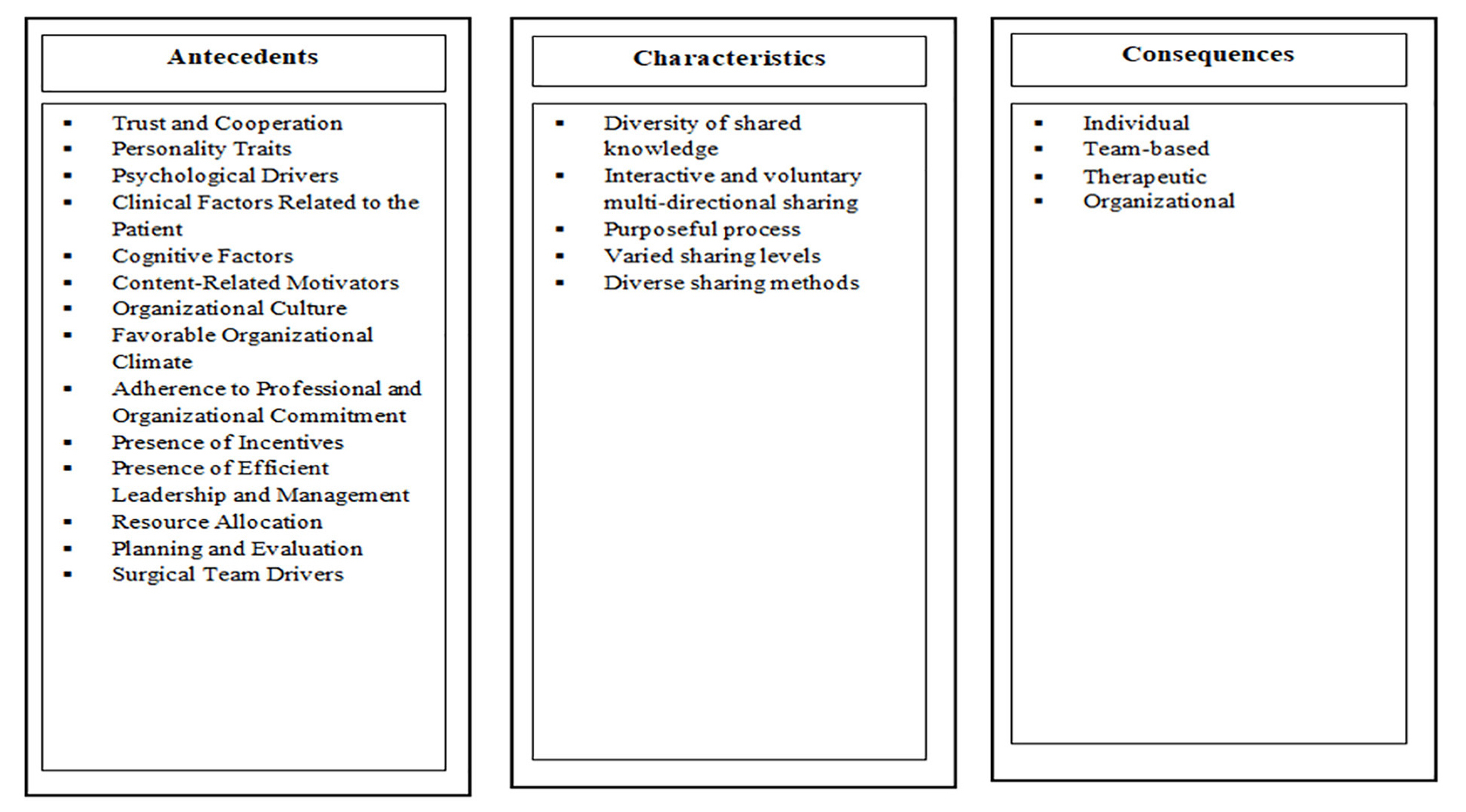
Figure 2. Characteristics, antecedents, and consequences of knowledge sharing
Antecedents of Knowledge Sharing
All subcategories were finalized except policy and geographical distance factors (Figure 2). This subcategory relates to inter-hospital knowledge sharing (e.g., patient referrals), requiring governmental policies and political interventions.
Consequences of Knowledge Sharing
All subcategories were retained, except for those related to positive research consequences, which also promoted accountability and organizational survival (Figure 2). Research outcomes (e.g., evidence-based decision-making) did not emerge in fieldwork, as activities such as journal clubs take place outside the operating room. Accountability and organizational survival pertain to hospital-wide policies, not OR-specific operations. OR efficiency was identified as a relevant consequence instead.
Definition of knowledge sharing
The final definition of knowledge sharing is as follows: “Knowledge sharing is an interactive, purposeful, and voluntary process occurring at various interpersonal and organizational levels (vertical and horizontal) through professional behaviors. It involves reciprocal (occasionally unilateral) exchange of tacit/explicit knowledge via formal, informal, and web-based channels”.
Discussion
The present study, conducted to address the question "What is the definition of knowledge sharing in the operating room setting?", utilized a hybrid model that integrated theoretical and empirical data to arrive at a final definition encompassing the characteristics, antecedents, and consequences of this concept. Since knowledge sharing in this study was defined based on its core characteristics, and empirical evidence from the field phase confirmed the framework derived from the theoretical phase, the proposed definition of knowledge sharing can be applied within the healthcare system, thereby partially bridging the gap caused by the absence of a unified definition of knowledge sharing ( 12 ). Nevertheless, as every study has limitations, future research may provide stronger evidence to redefine this concept.
Empirical findings of this study reveals that knowledge is not shared inter-team or globally in the OR context, primarily given the nature and structural design of this setting. The OR is structured such that multiple surgeries are performed simultaneously in separate rooms by multidisciplinary teams ( 87 ), making inter-team knowledge sharing unfeasible. A unique constraint of the OR is the time-sensitive nature of surgical procedures ( 9 ). Surgical team members have limited breaks between procedures, preventing them from engaging in global knowledge-sharing activities, such as taking part in online conferences, during these brief intervals. Nevertheless, the absence of inter-team knowledge sharing does not imply diminished intra-team exchange. The dynamic nature of ORs inherently fosters continuous knowledge sharing among team members, as demonstrated by Waring and Bishop (2010) ( 88 ). Surgical safety checklists promote verbal communication and direct interaction among team members through briefing and debriefing components, thereby encouraging a shared understanding within the surgical team ( 89 ). To improve knowledge sharing in the OR, it is recommended that the surgical safety checklist should be completed with the contribution of all team members before the procedure starts.
This study found that individual and organizational antecedents significantly influenced knowledge sharing. Among individual factors, trust between surgical team members emerged as a key antecedent, consistent with previous studies ( 27 , 28 , 36 , 69 ). Fieldwork reveals that effective intra-team knowledge sharing requires dual-dimension trust in the sender's knowledge and the receiver's performance. We recommend cross-hierarchical mentoring programs where senior surgeons share practical experiences through regular sessions to establish trust and enhance knowledge sharing, as mentorship facilitates tacit knowledge sharing via informal advising and experiential learning ( 90 ).
In the present study, surgical team members with personality traits such as extroversion, curiosity, generosity, patience, inquisitiveness, perfectionism, and conscientiousness participated more in knowledge sharing. Previous studies have indicated that extroverted individuals tend to share more knowledge ( 91 , 92 ). Further, curious members were more active in this process, which may reveal their openness to experience, as previous studies have stated that individuals who score highly in openness to experience have a more open mind and are more willing to try new and different things ( 93 ). Also, those with high agreeableness express emotions such as empathy and kindness, which contribute to knowledge sharing ( 94 ). As observed in our study, generous individuals were also more likely to share their knowledge with others.
Our surgical team study revealed diverse knowledge-sharing motivations, with intrinsic factors, such as personal satisfaction being more common than extrinsic rewards. As Monazam Tabrizi (2021) found, both motivation types drive sharing behavior— external benefits, including money, encourage collaboration, while internal satisfaction sustains participation ( 95 ). It is recommended that a motivation-based recognition system which highlights intrinsic rewards, such as publicly showcasing cases where voluntary knowledge sharing among team members resulted in improved outcomes, should be implemented. This should be complemented by monthly reflective sessions where staff discuss meaningful peer-learning experiences.
Cognitive factors emerged as a knowledge-sharing antecedent in fieldwork. The residents emphasized that preoperative surgical step review enhanced intraoperative sharing. Hampton, et al. (2011) confirmed the importance of basic clinical knowledge for OR experience, with faculty stressing its necessity for students ( 96 ). Effective sharing also requires mutual understanding between senders and receivers; as Bakhaya (2024) noted, specialized medical terminology may create communication barriers if it is incomprehensible to some team members, potentially causing task errors ( 97 ).
A culture of knowledge sharing, learning, and problem-solving is essential in ORs, as emphasized in other clinical settings ( 33 , 49 , 54 , 55 ). Mozaffari, et al. (2017) highlighted the need to strengthen continuous learning cultures in hospitals to facilitate knowledge sharing ( 62 ). Implementing brief weekly post-operative debriefings where team members share insights and address upcoming procedural challenges is recommended to foster such cultures.
Effective knowledge sharing requires human and non-human resources. Studies emphasize the importance of the "right people" sharing the "right knowledge" ( 28 , 45 , 83 , 84 ). Our research defines these concepts: the "right people" possess specific personality traits, positive beliefs, motivations, and content mastery (sender) or terminology understanding (receiver); the "right knowledge" involves content where both parties share expertise. Surgical team members noted that knowledge sharing occured during favorable conditions, but emergencies or operating room noise disrupts this process. Other studies confirm that environmental challenges, such as time constraints, hinder knowledge sharing ( 98 ).
Knowledge sharing requires careful planning ( 85 ). Surgical team members stressed the significance of intra- and inter-professional educational programs, along with behavior evaluation, to improve knowledge sharing. Abu Aagla, et al. (2025) emphasized structured training for equitable surgical opportunities among residents ( 99 ), indicating how curricula boost operating room learning. Jafari, et al. (2018) also recommended assessing the nurses’ knowledge-sharing participation in performance evaluations ( 69 ). In this regard, designing inter-professional curricula for knowledge sharing among surgical team members is recommended.
The most significant consequence of knowledge sharing is learning, which impacts all dimensions - individual, team, clinical, and organizational. Since learning implies relatively permanent changes in an individual's potential behavior ( 100 ), the participants emphasized that they would apply the knowledge gained from sharing in subsequent surgeries and their daily activities. This demonstrates the occurrence of learning among them.
Limitations
- 1. Interviewer bias: Despite efforts to maintain neutrality, the subjective nature of qualitative interviews may have affected responses.
- 2. Lack of standardized tools: The study relied on open-ended questions tailored to the research context, which may limit direct comparability with other works.
- 3. Manual analysis: While content analysis was undertaken rigorously, software-assisted coding could enhance procedural transparency.
- 4. Cultural factors: Considering the significant influence of cultural factors on the antecedents of knowledge sharing across various contexts, some of these antecedents may yield different results in other regions compared to the present study, owing to cultural issues.
- 5. Methodological and Scope Delimitation Regarding Barrier Investigation: This study employed a hybrid model to focus on identifying the characteristics, antecedents, and consequences of knowledge sharing in the operating room, and did not examine the barriers and challenges of this process. Future research should specifically explore and analyze these knowledge-sharing barriers in surgical settings.
Conclusion
Our study developed a definition of knowledge sharing in surgical teams based on its characteristics, antecedents, and consequences. The core characteristics indicated consistency between theoretical and fieldwork phases, while accounting for the operating room context, demonstrating the applicability of the definition to other clinical contexts. To improve knowledge sharing in the operating room, it is recommended that clinical educators organize structured debriefing sessions after each surgical procedure with the participation of all team members (surgeon, nurse, anesthetist) to document key lessons learned. Further, hospital training supervisors should design and implement knowledge-sharing modules as part of continuous staff education programs for the operating room team, focusing on effective communication techniques. Hospital administrators should also develop and deploy a digital system for documenting errors and critical points, with online access for all surgical teams.
Acknowledgement
The authors hereby express their sincere gratitude to all members of the surgical team who assisted us in this research, as well as to the Research Department of Iran University of Medical Sciences for their material and intellectual support.
Authors’ contribution
ZNKH, ZS, and HKH contributed to the conception and design of the study. ZNKH, ZS, and HKH contributed to data collection and interpreted the data. ZNKH, ZS, and HKH drafted the manuscript, and critically revised the manuscript. All authors gave final approval and agreed to be accountable for all aspects of the work.
Conflict of interest
None of declared.
Declaration of use of AI
The authors declare that no AI tools were used in the preparation of this manuscript.
References
- Nazari N, Riahi L, Biglarian A. Correlation between organizational silence and knowledge management in Firoozgar Hospital Tehran. Journal of Health Promotion Management. 2015; 4(3):43-50.
- Ramezankhani A, Markazi Moghaddam N, Haji Fathali A, Jafari H, Heidari Mnfared M, Mohammadnia M. The rate and causes of surgery cancellation: Identifying areas for improvement. JHOSP. 2010; 8(3):27-34.
- Keshmiri F, Hosseinpour A. Investigating the correlation between perception of patient safety and adherence to interprofessional professionalism among members of the surgical team. J Med Educ Dev. 2022; 17(2):125-36.
- Amini M, Ahmari Tehran H, Ahmadi S. Exploration of the Operating Room Personnel From Components and Examples of Interprofessional Collaboration: A Phenomenological Study. Qom University of Medical Sciences Journal. 2021; 15(5):342-51. Persian
- Busch KM, Keshava H, Kuy S, Nezgoda J, Allard-Picou A. Teaching in the OR: New lessons for training surgical residents. Bull Am Coll Surg. 2015; 100(8):29-34.
- Polavarapu HV, Kulaylat AN, Sun S, Hamed OH. 100 years of surgical education: the past, present, and future. Bull Am Coll Surg. 2013; 98(7):22-7.
- Zhang M, Wang W. Research on the application effect of inter-professional training program for newly enrolled medical staff in operating room based on digital information technology. BMC Med Educ. 2024; 24(1):1305.
- Torbjörnsson E, Olivecrona C, Sonden A. An interprofessional initiative aimed at creating a common learning resource for the operating room ward. J Interprof Care. 2018; 32(4):501-4.
- Tørring B, Gittell JH, Laursen M, Rasmussen BS, Sørensen EE. Communication and relationship dynamics in surgical teams in the operating room: an ethnographic study. BMC Health Serv Res. 2019; 19:1-16.
- Alanazi AO, Alanazi MA, Alobaid AO, Sugyani AMFA, Alrkabi SA, Alanazi FM, et al. Unpacking the Role of Interdisciplinary Collaboration in Surgical Teams: A Critical Analysis of Operational Efficiency and Patient Outcomes. J Ecohum. 2024; 3(7):2717-25.
- Jamshed S, Majeed N. Relationship between team culture and team performance through lens of knowledge sharing and team emotional intelligence. J Knowl Manag. 2019; 23(1):90-109.
- Al Shamsi A. An Investigation into Knowledge Sharing in CrossProfessional Teams in Healthcare A Multi-Method, Qualitative Case Study Design [dissertation]. Sheffield: University of Sheffield; 2020.
- Omotayo FO, Orimolade TA. Exploring the knowledge sharing practices among medical doctors in Ibadan metropolis, Nigeria. Covenant J Commun. 2020; 7(2):1-113-.
- Wiewiora A, Trigunarsyah B, Murphy G, Coffey V. Organizational culture and willingness to share knowledge: A competing values perspective in Australian context. Int J Proj Manag. 2013; 31(8):1163-74.
- Rehman Wu, Ilyas M, Asghar N. Knowledge sharing, knowledge management strategy and performance a knowledge based view. Pak econ soc rev. 2015; 53(2):177-202.
- Arabshahi M, Lagzian M, Rahimnia F, Kafashpour A. The impact of emotional intelligence on faculty members’ knowledge sharing behaviors. Manag Sci Lett. 2013; 3(12):2963-70.
- Doronin D, Lei S, Shah SHH. Reconsidering concept of knowledge sharing: search for quality dimensions. Kybernetes. 2021; 50(5):1058-74.
- Rodgers BL, Jacelon CS, Knafl KA. Concept analysis and the advance of nursing knowledge: state of the science. J Nurs Scholarsh. 2018; 50(4):451-9.
- McEwan M, Wills EM. Theoretical basis for nursing. USA: Lippincott Williams & Wilkins; 2021.
- Schwartz-Barcott D. An expansion and elaboration of the hybrid model of concept development. Concept development in nursing foundations, techniques, and applications. USA: Scientific Research; 2000.
- Graneheim UH, Lundman B. Qualitative content analysis in nursing research: concepts, procedures and measures to achieve trustworthiness. Nurse Educ Today. 2004; 24(2):105-12.
- Elo S, Kyngäs H. The qualitative content analysis process. J Adv Nurs. 2008; 62(1):107-15.
- Hsieh HF, Shannon SE. Three approaches to qualitative content analysis. Qual Health Res. 2005; 15(9):1277-88.
- Kyngäs H, Mikkonen K, Kääriäinen M. The application of content analysis in nursing science research. USA: Springer; 2020.
- Guba EG, Lincoln YS. Competing paradigms in qualitative research. In: Handbook of qualitative research. Washington DC: Sage Publications; 1994.
- Pourtaheri N, Fathi A. Studying the effect of components of organizational culture on knowledge management in Afzalipuor educational-treatment hospitals of Kerman, 2012. Tolooebehdasht. 2015; 14(1):43-53. Persian
- Askarinejad M, Ghobadi Azad E. The relationship between social capital on tendency to explicit and tacit knowledge sharing among nurses of Namazi hospital. Sadra Medical Journal. 2019; 7(4):413-22. Persian
- Adeyelure TS, Kalema BM, Motlanthe BL. An Empirical Study of Knowledge Sharing: A Case of South African Healthcare System. Knowl Manag E-Learn. 2019; 11(1):114-28.
- Zhou L, Nunes MB. Barriers to knowledge sharing in Chinese healthcare referral services: an emergent theoretical model. Glob Health Action. 2016; 9(1):29964.
- Cresswell K, Sheikh A, Franklin BD, Krasuska M, The Nguyen H, Hinder S, et al. Interorganizational knowledge sharing to establish digital health learning ecosystems: qualitative evaluation of a national digital health transformation program in England. J Med Internet Res. 2021; 23(8):e23372.
- Komodromos M, Nicoli N, Papacharalambous C. The use of social media in healthcare: Knowledge transfer in the Cyprus healthcare system. Int J Technol Enhanc Learn. 2021; 13(3):253-65.
- Sibbald SL, Kothari A. Creating, synthesizing, and sharing: The management of knowledge in public health. Public Health Nursing. 2015; 32(4):339-48.
- Abdul Rahman R. Knowledge sharing practices: A case study at Malaysia’s healthcare research institutes. Int Libr Rev. 2011; 43(4):207-14.
- Sadeghi A, Khammarnia M, Darzi-Ramandi S. Investigation of knowledge management elements in the selected hospital of Iran University of Medical Sciences. Sadra Medical Journal. 2013; 1(4):265-74. Persian
- Puricelli Perin DM, Vogel AL, Taplin SH. Assessing knowledge sharing in cancer screening among high-, middle-, and low-income countries: Insights from the international cancer screening network. J Glob Oncol. 2019; 5:1-8.
- von Behr C-M, Cleaver I, Minshall T, Clarkson PJ. Trust and knowledge sharing among hospitals during COVID-19: the compound effect of four barriers to organisational trust for knowledge sharing. VINE J Inf Knowl Manag Syst. 2023; 53(2):315-34.
- Ahmadi GA, Momeni B, Pardakhtchi MH. Designing Of Knowledge Management Maturity Model In Healthcare Organizations. Educ Strategy Med Sci. 2022; 15(1):46-57.
- Banisi P. Predicting of Organizational Learning based on Organizational Commitment, Knowledge Management and Job Engagement in Nurses. Journal of Nursing Education. 2019; 8(3):13-20.
- Lemire M, Demers-Payette O, Jefferson-Falardeau J. Dissemination of performance information and continuous improvement: a narrative systematic review. J Health Organ Manag. 2013; 27(4):449-78.
- Rezaei L, Dehghan Nayeri N, Ashrafizadeh H, Hajibabaee F, Jamshidi Orak R. Relationship between knowledge management and social capital of nurses working in the hospitals of Tehran University of Medical Sciences, 2021. IJNR. 2023; 18(4):1-12.
- Steininger K, Ruckel D, Dannerer E, Roithmayr F. Healthcare knowledge transfer through a web 2.0 portal: an Austrian approach. Int J Healthc Technol Manag. 2010; 11(1-2):13-30.
- Cifalino A, Mascia D, Vendramini EA. Goal importance, use of performance measures, and knowledge exchange: An empirical study on general practitioners’ performance. Health Care Manage Rev. 2020; 45(2):117-29.
- Vazife Z, Tavakoli F. Assessing the association of organizational cultures dimensions and knowledge management in health care educational organizations. JHOSP. 2015; 14(2):139-46.
- Anya O, Tawfik H. A model of medical practice for contextual knowledge sharing in collaborative healthcare. Int J Med Eng Inform. 2016; 8(4):360-89.
- Gider Ö, Ocak S, Top M. Perceptions of physicians about knowledge sharing barriers in Turkish health care system. J Med Syst. 2015; 39(5):1-13.
- Dearing JW, Greene SM, Stewart WF, Williams AE. If we only knew what we know: principles for knowledge sharing across people, practices, and platforms. Transl Behav Med. 2011; 1(1):15-25.
- Sepahvand R, Hozni S, Hesabi M. The effect of innovation climate on the quality of clinical services and knowledge transfer among nurses of Guilan province. Journal of Clinical Nursing and Midwifery. 2018; 7(1):28-41.
- Kaffashpour A, Allahyari Bouzanjani A, Izadi M. Effect of perceived knowledge organizational support on professional knowledge sharing among nurses: a case study. Quarterly journal of nursing Management. 2015; 4(2):1.
- Vold AT, Haave HM. Relevance of adult higher education on knowledge management in the healthcare sector.Academic Conferences and Publishing International Limited. Electron J Knowl Manag. 2020; 18(3):326-54.
- Yen C. Exploring member’s knowledge sharing intention in online health communities: The effects of social support and overload. PloS one. 2022; 17(3):e0265628.
- Chen N, Lv N, Chen Z. Knowledge Sharing among Hospitals of Different Levels: A Complex Network Evolutionary Game Approach. IEEE Access. 2025; 4:41040-53.
- Donyayi N, Mohammad Zadeh N. The Relationship between Nurses Knowledge Management and Organizational Culture in Teaching Hospitals of Iran University of Medical Sciences. Tolooebehdasht. 2020; 18(6):59-69. Persian
- Azari G, Riahi L, Dehnavieh R. The status of knowledge sharing at the decision making center of deputy of education in iran’s ministry of health and medical education. Iran J Med Educ. 2016; 16:138-48.
- Bahmani A, Biglarkhani A, Fallahinia GH, Shirani F. The relationship between organizational culture and knowledge management in educational-therapeutic hospitals (case study hamadan educational-therapeutic hospitals in 2017). Avicenna J Nurs Midwifery Care. 2018; 26(3):203-10.
- Mortazavi S, Lagzian M, Seyyed HS. The Intermediary Role of Envy in the Impact of Leader-Member Exchange on Knowledge Sharing and Uncivil Behaviors. Iran Journal of Nursing. 2013; 26(83):68-77.
- Yaghoubi M, Karimi S, Javadi M, Nikbakht A. A correlation study on organization learning and knowledge management in staffs in selected hospitals of Isfahan University of Medical Sciences. JHA. 2011; 13(42):65-75.
- Jamporazmey M, Monirpour N. Prediction of Knowledge Sharing Based on Personality Trait, Organizational Silence, and Organizational Belonging in Medical Staff in Qom Province (Iran). Qom University of Medical Sciences Journal. 2020; 14(1):29-37.
- Chitsaz A, Shaemi Barzaki A, Shafie Baghbadrani S. The analysis of the effects of knowledge sharing infrastructures on improving the quality of crisis management operation via organizational learning (case study: isfahan red crescent society). J Rescue Relief. 2015; 7(1):70-8.
- Sánchez-Polo MT, Cegarra-Navarro JG. Implementing knowledge management practices in hospital-in-the-home units. J Nurs Care Qual. 2008; 23(1):18-22.
- Nilsen LL, Ludvigsen SR. Collaborative work and medical talk: opportunities for learning through knowledge sharing. Commun Med. 2011; 7(2):143-53.
- Jamshidi A, Jamshidi L. Designing a Model for KM Implementation in the Clinical Field of Hospitals Affiliated to Hamadan University of Medical Sciences Using Structural Interpretative Modeling. Journal of Nursing Education. 2018; 6(5):9-18.
- Mozaffari M, Ahmadi A. Investigating the establishment situation of knowledge management in the teaching hospitals of Qazvin University of Medical Sciences during the year 2014. JQUMS. 2017; 21(3):65-57.
- Quinlan E. The ‘actualities’ of knowledge work: an institutional ethnography of multi-disciplinary primary health care teams. Sociol Health Illn. 2009; 31(5):625-41.
- Underland G. When trustworthiness matters: How trust influences knowledge-production and knowledge-sharing in a surgical department. Commun Med. 2011; 7(2):187-96.
- Rangachari P, Dellsperger K, Rethemeyer R. Network analysis of the structure of inter-professional knowledge exchange related to Electronic Health Record Medication Reconciliation within a Social Knowledge Networking system. J Healthc Leadersh. 2019; 11:87-100.
- Lemmergaard J. Reducing hospital-acquired infections through knowledge-sharing in work teams. Team Perform Manag. 2009; 15(1/2):63-77.
- Burns P, Currie G, McLoughlin I, Robinson T, Sohal A, Teede H. Creating conditions for effective knowledge brokering: a qualitative case study. BMC Health Serv Res. 2022; 22(1):1303.
- Farrington C, Clare I, Holland A, Barrett M, Oborn E. Knowledge exchange and integrated services: experiences from an integrated community intellectual (learning) disability service for adults. J Intellect Disabil Res. 2015; 59(3):238-47.
- Jafari SM, Rahmati M, Pourazim Z, Mohammadi Doorbash Z. The effect of nurses’ attitudes toward knowledge sharing in the acceptance of clinical information technology systems. Quarterly Journal of Nursing Management. 2018; 7(3):35-45.
- Ramanadhan S, Wiecha JL, Emmons KM, Gortmaker SL, Viswanath K. Extra-team connections for knowledge transfer between staff teams. Health Educ Res. 2009; 24(6):967-76.
- Williams PM. Integration of health and social care: a case of learning and knowledge management. Health Soc Care Community. 2012; 20(5):550-60.
- Wang X, Hou S, Lv Q, Liu Y, Wu H, Liu Z. The association of social networks with the job performance of primary health care professionals: the mediating effect of knowledge sharing. Front Med. 2024; 11:1324939.
- Alipourdarvish Z, Dolatabadi R. Offering a model on factors affecting physicians’ knowledge-sharing intention based on the theory of planned behavior in teaching hospitals affiliated to Tehran University of Medical Sciences. JHOSP. 2013; 11(4):35-44.
- Gorry C. Cuba’s virtual libraries: knowledge sharing for the developing world. Medicc Rev. 2008; 10(1):9-12.
- Heenan D. Collaborating on healthcare on an all-island basis: a scoping study. Irish Studies in International Affairs. 2021; 32(2):413-47.
- Khosravi S, Zarei A, Bayat B, Zarrinabadi Z. A model for the knowledge-sharing behavior of nurses at Kermanshah University of Medical Sciences, affiliated with the Ministry of Health and Medical Education. Journal of Studies in Library and Information Science. 2024; 16(4):77-98.
- Schein EH. Organizational culture and leadership. USA: John Wiley & Sons; 2010.
- Banifatemeh L, Hariri N, Farahbakhsh M. Strategies and Determinants of Knowledge Management and Sharing in Healthcare Organizations: A Narrative Review. Depiction of Health. 2024; 15(4):450-62.
- Bedi S, Bedi M. Knowledge management in health systems: The emerging role of chief information officer (health) from grassroots to tertiary levels. Int J Inf Dissem Technol. 2011; 1(2):105-9.
- Gharajeh-Alamdari N, Mirzaei A, Mehri S, Soola AH. Assessing the relationship between supervisor knowledge sharing and innovative behaviors among clinical nurses: the mediating role of organizational learning. BMC Nurs. 2025; 24(1):508.
- A contemporary understanding of organizational climate in healthcare setting: A concept analysis; Nursing forum. USA: Wiley Online Library; 2021.
- Tekmedash YN, Hosseini SS, Jabarzadeh Y. The Role of Knowledge-Oriented Leadership and Knowledge Management Practices in Tabriz Public Hospitals. Depiction of Health. 2019; 10(1):37-46.
- Grooten L, Vrijhoef HJM, Alhambra-Borrás T, Whitehouse D, Devroey D. The transfer of knowledge on integrated care among five European regions: a qualitative multi-method study. BMC Health Serv Res. 2020; 20:1-17.
- Taheri M, Gharakhani D. The application of total quality management and knowledge management in health system. Res J Appl Sci Eng Technol. 2013; 5(9):2681-5.
- Esfandiari F, Chenari A, Imani M. Investigating the role of knowledge management in promoting organizational health in Tehran hospitals. Islamic lifestyle based on health. 2020; 4(3):116-22.
- Sharifkazemi K, Seyedin S, Jafari M. Dimensions of knowledge management in Health Network of Abyek city in 2015. JHA. 2016; 19(64):65-72.
- Egan P, Pierce A, Flynn A, Teeling SP, Ward M, McNamara M. Releasing operating room nursing time to care through the reduction of surgical case preparation time: A lean six sigma pilot study. Int J Environ Res Public Health. 2021; 18(22):12098.
- Waring JJ, Bishop S. “Water cooler” learning: Knowledge sharing at the clinical “backstage” and its contribution to patient safety. J Health Organ Manag. 2010; 24(4):325-42.
- Ayabe T, Shinpuku G, Tomita M, Nakamura S, Yokoyama E, Shimizu S, et al. Changes in safety attitude and improvement of multidisciplinary teamwork by implementation of the WHO Surgical Safety Checklist in University Hospital. Open J Saf Sci Technol. 2017; 7(1):22-41.
- Ghabban M. Cultivating and sharing tacit knowledge in the medical field. Int J Knowl Based Organ. 2024; 14(1):1-18.
- Agyemang FG, Dzandu MD, Boateng H. Knowledge sharing among teachers: the role of the Big Five Personality traits. VINE J Inf Knowl Manag Syst. 2016; 46(1):64-84.
- Pei-Lee T, Chen CY, Chin WC, Siew YY. Do the big five personality factors affect knowledge sharing behaviour? A study of Malaysian univeristies. Malays J Libr Inf Sci. 2011; 16(1):47-62.
- Jami Pour M, Taheri F. Personality traits and knowledge sharing behavior in social media: mediating role of trust and subjective well-being. On the Horizon. 2019; 27(2):98-117.
- Sung SY, Choi JN. Do big five personality factors affect individual creativity? The moderating role of extrinsic motivation. Soc Behav Personal. 2009; 37(7):941-56.
- Monazam Tabrizi N. Relational dimensions, motivation and knowledge-sharing in healthcare: a perspective from relational models theory. Int Rev Adm Sci. 2023; 89(1):221-38.
- Hampton BS, Magrane D, Sung V. Perceptions of operating room learning experiences during the obstetrics and gynecology clerkship. J Surg Educ. 2011; 68(5):377-81.
- Bakhaya I. Optimizing communication in operating theaters: Applications of psycholinguistics in the efficient transmission of messages. Scientific Research & Education in the Air Force. 2024; 25(7):82-92.
- Wijesinghe K, Lunuwila S, Gamage H, Gooneratne T, Munasinghe B, Harikrishanth S, et al. Medical students’ perception and attitudes on operating theatre learning experience in Sri Lanka. Surg Open Sci. 2023; 15:12-8.
- Abu Aagla KYK, Gismalla MDA, Ahmed MEM. Evaluating Sudanese surgical residents’ perception of the surgical theatre learning environment using the STEEM questionnaire. BMC Med Educ. 2025; 25(1):424.
- Hilgard ER, Bower GH. Theories of Learning. USA: Scientific Research; 1975.


