
Introduction
Modern science has extensively studied the most vital scientific methods in education, particularly in academic institutions, aiming to achieve the highest levels of knowledge, technology, and skills in both theoretical and practical aspects ( 1 ). In this regard, the concept of the Metaverse has drawn significant attention from higher education institutions and scholars as an emerging technology ( 2 ). In academic literature, the Metaverse is conceptualized as a world where virtual and real elements influence each other, evolving socially, economically, and culturally to create value ( 3 ). It is a dynamic, immersive, and interconnected 3D virtual space where individuals can interact with one another and digital content in real-time. The Metaverse incorporates Virtual Reality (VR), Augmented Reality (AR), and Mixed Reality (MR) to deliver a multifaceted learning experience ( 4 ). This technology aims to create unique, interconnected networks supported by innovative digital technologies, allowing users to immerse themselves in shared experiences. It is built on a complex 3D virtual world, and users—represented as avatars—can interact and socialize without boundaries ( 5 ). The Metaverse is utilized for various purposes, including social networking, online gaming, education, and training. It can be used to create virtual worlds that mirror the real world or design new and imaginative environments. According to scholars, one of the most important future applications of the Metaverse will be in education and learning ( 6 ). Figure 1 represents the Metaverse’s application in anatomy education.
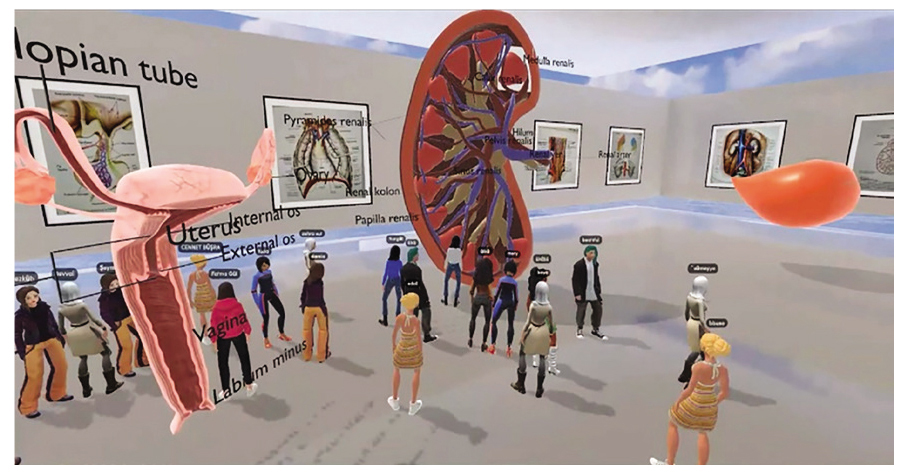
Figure 1. Metaverse-based anatomy education ( 7 )
The growing demand for educational environments in the Metaverse has led to its emergence as a distinct form of learning that goes beyond traditional methods ( 7 , 8 ). In contrast, ongoing discussions focus on the benefits and challenges of the Metaverse in education and learning ( 9 ). Its application in medical education presents both opportunities and challenges. Within the Metaverse, students can explore scientific concepts, delve into historical events, and interact with cultural artifacts in impossible ways in the physical world. Notably, the practicality of Metaverse technology sets it apart from other virtual and augmented reality experiences ( 10 ).
Additionally, the Metaverse has the potential to offer students a more immersive, personalized, and interactive learning experience that surpasses what is achievable with traditional e-learning ( 11 ). However, challenges remain. Due to the high level of user freedom, platform administrators cannot fully anticipate all user actions, and the anonymity of the Metaverse increases the risk of cybercrimes ( 5 ). Another major challenge is cost. Creating interactive and immersive environments that accurately simulate real medical scenarios relies on advanced and often expensive technology ( 12 ). Furthermore, access to education remains a significant challenge, particularly in developing countries. Limited access to technological resources can negatively impact the quality of education ( 13 ).
However, the development of the Metaverse is still in its early stages ( 14 ). Despite the increasing hype surrounding the concept, its practical application in education remains limited ( 15 ). Much of the existing research on educational Metaverse is primarily theoretical, with insufficient empirical studies. A literature review on educational Metaverse ( 9 ) highlights a significant research gap regarding its application in education, especially given its constantly evolving nature. This gap is particularly evident in the diverse ways different audience and academic fields might utilize the Metaverse ( 16 ). Previous studies have explored various aspects of Metaverse adoption, but a comprehensive review integrating well-established adoption theories and models to understand better this domain has yet to be conducted ( 17 ). Despite these challenges, this study focuses on the strengths and potential of the Metaverse in medical education.
This study seeks to bridge this gap by systematically aggregating, synthesizing, and analyzing qualitative research on the applications of the Metaverse in education, with a particular focus on medical training. By examining existing studies, this research aims to provide a comprehensive and structured overview of how the Metaverse is utilized in medical education, identifying potential advantages. Furthermore, the findings of this study will serve as a valuable resource for researchers, educators, and policymakers by offering evidence-based insights into the effectiveness of Metaverse-based learning. Understanding the pedagogical implications of the Metaverse is crucial for developing strategic policies, designing robust educational frameworks, and ensuring that this technology is harnessed effectively to enhance medical training. Given the evolving nature of digital learning environments, a more integrated and analytical approach to studying the role of the Metaverse in education is essential. This research contributes to closing the gap in international studies and lays a foundation for future empirical investigations that can further refine and optimize the integration of Metaverse technologies in education.
Methods
This systematic review and qualitative meta-synthesis employed a meta-aggregation approach developed by the Joanna Briggs Institute (JBI). Conducted between September 2000 and March 2025, the study followed the guidelines outlined in the Preferred Reporting Items for Systematic Reviews and Meta-Analyses ( 18 ).
Search Strategy
The review began with an initial, limited search in Medline and CINAHL, followed by a text-word analysis of the titles, abstracts, and index terms used to describe the articles. Subsequently, a more comprehensive search was conducted across multiple databases, including MEDLINE, CINAHL, Web of Science, Cochrane Library, Science Direct, Springer, ERIC, Emerald, Sage Journals, Wiley Online Library, Scopus, PubMed, and Google Scholar, using all identified keywords and index terms. Finally, the reference lists of all selected reports and articles were examined to identify any additional relevant studies. Only studies published in English were included in this review, with a restriction on the publication date. The following is a list of keywords and operators used.
("Metaverse" AND "Medical Education") OR ("Virtual Reality" AND "Healthcare Training" AND "Education") OR ("Augmented Reality" AND "Medical Simulation" AND "Education") OR ("Extended Reality (XR)" AND "Clinical Learning" AND "Education") OR ("Immersive Technology" AND "Medical Training" AND "Education").
Inclusion and exclusion criteria
► The following were the inclusion criteria for the study:
a. Design: qualitative or a review study design
b. Language: English
c. Topic Relevance: Focus of the studies on using Metaverse in medical education
d. Time Frame: studies published between 2000 and 2025
► The exclusion criteria included:
a. Design: studies that did not use a qualitative or a review study approach
b. Study types: conference papers, editorials, letters, or general-comment articles
c. Language: studies published in neither English
d. Studies for which we could not get the full text or the data collection and analysis methods were not reported.
Figure 1 presents the PRISMA diagram to illustrate the filtering of articles in different sections (title, abstract, and full text).
Study Section
Three investigators (A-K, H-M, Z-T) independently screened all records, reviewing titles and abstracts to exclude studies that did not meet the inclusion criteria. Full-text articles were then assessed to identify those eligible for analysis. In cases of disagreement, a fourth researcher (F-D) was consulted to facilitate discussion and achieve consensus.
Assessment of Methodological Quality
Four reviewers evaluated the methodological validity of the retrieved qualitative research papers using the JBI Qualitative Critical Appraisal Checklist, which consists of 10 items designed to assess the appropriateness of the methodological approach, the application of methods, and the representation of the participants' voices in the studies. Each criterion was rated on a three-point scale: ‘yes,’ ‘no,’ or ‘unclear.’ Papers with fewer than six ‘yes’ ratings were excluded to ensure quality. Any disagreements between two reviewers were resolved through discussion, with a third reviewer consulted if necessary to reach a consensus. In Table 1, the characteristics of the selected studies are presented.
| Study | Year | Country | Methodology | Participants (n) | Main results |
|---|---|---|---|---|---|
| Chua & Yu ( 19 ) | 2024 | China, Malaysia | Systematic Literature Review (PRISMA) | Various studies on students and teachers | 1. Evolution from single-platform Metaverse to diverse software/device combinations in education. 2. Perceived usefulness and ease of use are crucial in Metaverse acceptance. |
| Wu & Ho ( 20 ) | 2023 | Taiwan | Scoping Review | Various studies on emergency medicine applications | 1. AR and VR are widely used in emergency medicine education and clinical training. 2. VR-based studies surpass AR-related studies in this field. 3. Lifelogging and Mirror World are emerging but less developed in emergency medicine applications. |
| Hwang & Chien ( 21 ) | 2022 | Taiwan | Theoretical Position Paper | Not Applicable (Conceptual Analysis) | 1. Defined the metaverse and its role in education from an AI perspective. 2. Highlighted AI's roles in metaverse education, including NPC tutors, peers, and students. 3. Identified potential applications and research areas in metaverse-based learning. |
| Chamola, et al. ( 22 ) | 2023 | India, UK | Review Study (Not Peer-Reviewed) | Not Applicable (Theoretical Analysis) | 1. Metaverse can significantly enhance education by providing immersive learning experiences. 2. Key enabling technologies include AI, VR, AR, blockchain, and IoT. 3. Challenges include ethical concerns, technological limitations, and infrastructure costs. 4. The study highlights potential research directions for integrating the Metaverse into education. |
| Joshi & Pramod ( 23 ) | 2023 | India | Conceptual Framework Development | Not Applicable (Framework Proposal) | 1. Proposed CO-MATE, a collaborative Metaverse-based framework for tertiary education. 2. Designed as a four-layered architecture integrating emerging technologies like AI, XR, and Blockchain. 3. Focuses on immersive learning, personalized experiences, and a globally accessible digital education ecosystem. |
| Camilleri, et al. ( 24 ) | 2023 | Malta | Conceptual Analysis & Systematic Review | Not Applicable (Conceptual & Literature-Based) | 1. Identifies key terms related to the Metaverse and its role in education. 2. Explores the benefits of immersive learning through multi-sensory 3D environments. 3. Discusses challenges such as infrastructure costs, privacy concerns, and potential addiction risks. 4. Suggests further research into policy implications and ethical considerations for Metaverse adoption in education. |
| Kryvenko & Chalyy ( 25 ) | 2023 | Ukraine | Phenomenological Analysis | Not Applicable (Conceptual & Technological Analysis) | 1. Metaverse technologies enhance adaptive learning in medical informatics through AI, VR, AR, and IoT integration. 2. The study proposes a phenomenological toolkit based on Microsoft solutions for personalized and immersive education. 3. Introduces concepts like 'Virtual Patient as Metaverse' (VPaM) and 'Virtual Hospital in Metaverse' (VHM) to support digital healthcare training. 4. Emphasizes Microsoft tools (Azure, HoloLens, Power Platform) in creating a student-centered virtual learning environment. |
| Imannezhad, et al. ( 26 ) | 2023 | Iran, France | Systematic Review Overview | 317 studies from 2022-2023 | 1. Metaverse enhances interactive and engaging learning, competency-based education, and blended learning. 2. Benefits include visualization of materials, flipped classrooms, cooperative learning, and inclusive education. 3. Challenges include high XR equipment costs, lack of familiarity, infrastructure inadequacies, and accessibility issues. 4. Risks involve privacy concerns, ethical issues, potential addiction, and mental health concerns. 5. The metaverse is a tool for enhancing education but cannot completely replace physical schools. |
| Braguez, et al. ( 27 ) | 2023 | Portugal | Review & Conceptual Analysis | Not Applicable (Educational Projects Overview) | 1. Defines Metaverse and its educational applications, including AR, MR, VR, digital twins, and lifelogging. 2. Discusses challenges such as privacy concerns, social connection weaknesses, and security risks. 3. Suggests integrating the Metaverse as a complementary tool rather than a full-time learning environment. 4. Highlights the immersive learning potential and social interaction benefits of Metaverse-based education. 5. Reviews existing educational projects and platforms supporting Metaverse-based learning. |
| Ghaempanah, et al. ( 28 ) | 2024 | Iran | Narrative Review | Not Applicable (Literature-Based Review) | 1. The metaverse has the potential to transform medical education by integrating AI, AR/VR, and quantum computing. 2. Benefits include enhancing medical training, improving patient interactions, and facilitating international collaborations. 3. Challenges include limited internet access, high costs of AR/VR devices, ethical concerns, and potential risks of unrealistic training expectations. 4. Emphasizes the need to view the metaverse as a supplement to traditional medical training rather than a replacement. 5. Calls for structured guidelines, improved access, and security measures to integrate the metaverse effectively into medical education and healthcare. |
| Zhang, et al. ( 6 ) | 2022 | China | Review & Conceptual Framework | Not Applicable (Literature-Based) | 1. Defines the metaverse in education, including its origin, features, and framework. 2. Identifies four key applications: blended learning, language learning, competency-based education, and inclusive education. 3. Discusses technological, ethical, and social challenges of integrating the metaverse in education. 4. Proposes future research directions focusing on AI-driven educational metaverse development. 5. Highlights the potential of immersive learning experiences and the necessity for policy development. |
| Said ( 29 ) | 2023 | Egypt | Phenomenological Research | 19 experts in HCI, AI, and Online Learning | 1. Identifies five challenges for Metaverse learning: immersive design, privacy and security, universal access, health concerns, and governance. 2. Proposes three opportunities: hands-on training, game-based learning, and collaborative knowledge creation. 3. Emphasizes the role of Human-Computer Interaction (HCI) in Metaverse-based education. 4. Highlights the need for Metaverse design consistency with real-world experiences to reduce cognitive load. 5. Recommends governance structures and policy development for ethical Metaverse adoption in education. |
| Cai, et al. ( 30 ) | 2022 | China | Original Research Article | Not Applicable (Theoretical and Case Study-Based) | 1. The educational metaverse is defined by three core features: interactivity, immersion, and multiplicity. 2. Identifies six key supporting technologies: VR, AR, blockchain, AI, IoT, and cloud computing. 3. Discusses application scenarios in subject education, informal learning, and vocational training. 4. Highlights challenges such as governance, technology adoption, teaching design, and capital speculation risks. 5. Suggests strategic policy-making and systematic evaluation for integrating metaverse technologies in education. |
| Gündüz, et al. ( 31 ) | 2024 | Turkey | Interpretative Phenomenological Analysis | 13 VR/AR/XR Experts and Lecturers | 1. Identifies five thematic ethical concerns in metaverse universities: awareness, security & data, safety & wellness, social equality & diversity, and accessibility. 2. Emphasizes the importance of metavethics, a new interdisciplinary field shaping ethical metaverse education. 3. Highlights challenges such as data privacy, cyber security, identity concerns, and governance issues in virtual education. 4. Suggests strategies for designing ethical and inclusive digital universities, ensuring accessibility and fairness. 5. Calls for stronger institutional policies and regulations to mitigate risks and promote ethical metaverse adoption in higher education. |
| Alfiras, et al. ( 32 ) | 2023 | Bahrain, India, Iraq, Germany | Comprehensive Review | 58 studies from 1992-2022 | 1. Examines the evolution of Metaverse in higher education before and after COVID-19. 2. Discusses the ten Metaversities initiative funded by Meta (formerly Facebook). 3. Identifies key challenges, including ethical concerns such as data privacy, security, and digital citizenship. 4. Highlights applications in e-learning, digital transformation, and smart education ecosystems. 5. Suggests strategies for future research and policy-making in Metaverse education integration. |
| Avcı & Akgül ( 33 ) | 2024 | Türkiye | Systematic Literature Review | 61 studies from Web of Science database | 1. The most researched topic is how the Metaverse will affect its users. 2. The most studied group consists of participants between the ages of 18-40. 3. Ethical concerns include privacy, data protection, and identity security in virtual environments. 4. Metaverse technologies show potential for immersive learning, human-computer interaction, and Web 3.0 integration. 5. Calls for more regulatory frameworks, legal guidelines, and ethical considerations for responsible Metaverse adoption in education. |
| Çalışkan & Maya ( 34 ) | 2024 | Türkiye | Phenomenological Study | 23 instructors from Çanakkale Onsekiz Mart University | 1. Instructors believe that the Metaverse will transform education and management processes in higher education. 2. Identifies opportunities such as more effective teaching, equal opportunities, enhanced communication, and extracurricular engagement. 3. Highlights threats including cyber security risks, data privacy issues, lack of access to technology, and psychological concerns. 4. Instructors expect administrators to demonstrate leadership, be open to innovation, and prioritize ethical considerations. 5. Calls for structured policies, systematic implementation, and stakeholder involvement in Metaverse applications for education. |
| Dhillon & Tinmaz ( 35 ) | 2024 | South Korea | Qualitative Study (Structured Interviews) | 20 students from various educational backgrounds | 1. Examines how avatar design influences virtual educational experiences in the Metaverse. 2. Identifies key avatar attributes: gender, facial features, attire, and personality influence. 3. Discusses varied emotional connections to avatars and their role in self-expression. 4. Highlights privacy concerns, security risks, and skepticism about Metaverse’s efficacy. 5. Suggests avatar customization preferences and their implications for digital identity in education. |
| Ahmad, et al. ( 36 ) | 2024 | Pakistan | Qualitative Study (Semi-Structured Interviews) | Officials from four universities (two public, two private) | 1. Evaluates Metaverse adoption in higher education institutions in Lahore, Pakistan. 2. Identifies challenges such as lack of technological infrastructure, limited research funding, and faculty training gaps. 3. Highlights the need for structured training programs and investment in technological resources. 4. Emphasizes positive attitudes towards Metaverse adoption but notes hesitation due to logistical constraints. 5. Recommends research-driven policy development for successful Metaverse integration in Pakistani education. |
| Talan & Kalinkara ( 37 ) | 2022 | Turkey | Mixed-Method (Quantitative & Qualitative) | 34 second-year Computer Engineering students | 1. Majority of students had never used Metaverse before but showed interest in classroom applications. 2. Metaverse is seen as useful for various disciplines but not all faculty courses. 3. Students believe it enhances subject knowledge, increases motivation, and makes content more engaging. 4. Concerns include learning difficulties, distraction, lack of discipline, and detachment from real life. 5. Calls for structured Metaverse integration in education while addressing its drawbacks. |
| Tekin & Çiçek Korkmaz ( 38 ) | 2023 | Turkey | Review Study | Not Applicable (Literature-Based Review) | 1. Metaverse technologies such as Second Life and Virtual Reality offer new opportunities for nursing education. 2. VR-based simulations enhance nursing students' clinical skills, decision-making, and patient care practices. 3. Second Life simulations improve student-teacher interactions and provide an immersive learning experience. 4. Challenges include high technology costs, ethical concerns, and accessibility issues in nursing education. 5. The study calls for structured guidelines and policy development for effective Metaverse integration in nursing education. |
| Bernardes, et al. ( 39 ) | 2024 | Brazil | Scoping Review | 23 studies from 2020-2023 in 10 countries | 1. The metaverse enhances undergraduate healthcare education through interactive and engaging learning experiences. 2. Supports the development of clinical competencies and professional identity in students. 3. Challenges include data security risks, privacy concerns, and the high cost of implementation and maintenance. 4. Risks of depersonalization and inequality in education due to access limitations and resource disparities. 5. Calls for structured policies and training for educators to ensure equitable and effective Metaverse integration. |
| Roy, et al. ( 40 ) | 2023 | India, Afghanistan, Thailand | Systematic Literature Review (PRISMA Methodology) | 73 research papers on Metaverse and Education | 1. Identifies dominant themes in Metaverse research concerning education, applications, and adoption challenges. 2. Analyzes 73 studies and provides a research framework for adopting the Metaverse in education. 3. Highlights factors influencing Metaverse adoption: perceived trialability, observability, complexity, and compatibility. 4. Discusses challenges like privacy concerns, identity issues, security risks, and technological infrastructure barriers. 5. Proposes 27 future research questions addressing Metaverse education trends, technological integration, and policy-making. |
| Lin ( 41 ) | 2022 | China, Taiwan | Systematic Literature Review | Not Applicable (Conceptual and Review-Based) | 1. Provides a technological framework for Metaverse education, linking it with smart education concepts. 2. Identifies benefits such as immersive learning, decentralization, and real-time interaction. 3. Discusses challenges including privacy risks, governance issues, technology barriers, and addiction concerns. 4. Reviews case studies from tech companies and universities adopting Metaverse education. 5. Calls for structured regulations, ethical considerations, and policy-making to support sustainable Metaverse-based education. |
| Mahmoud ( 42 ) | 2024 | USA | Qualitative Inquiry using Big Data | 11,024 social media comments (reduced to 4,277) from Reddit, TikTok, YouTube | 1. Uses big data techniques to analyze public beliefs, emotions, and sentiments towards Metaverse in education. 2. Identifies six key themes: innovative learning methods, accessibility, education quality concerns, technological barriers, future job skills, and privacy/security. 3. Sentiment analysis shows 50.9% neutral, 36.3% positive, and 12.9% negative sentiments toward Metaverse in education. 4. Highlights excitement for immersive learning but concerns over the digital divide, effectiveness, and governance challenges. 5. Suggests policy recommendations for ethical, equitable, and sustainable adoption of Metaverse in education. |
| Fitria & Simbolon ( 43 ) | 2022 | Indonesia | Library Research (Qualitative Literature Analysis) | Not Applicable (Literature-Based) | 1. Explores the Metaverse as both an opportunity and a threat in education. 2. Opportunities: Enhanced virtual learning experiences, flexibility in time and space, and interactive learning environments. 3. Threats: Reduced social interaction, dependency on virtual environments, and the risk of education becoming too formalistic. 4. Highlights the need for balancing technology with real-world learning to preserve humanization in education. 5. Suggests that the Metaverse should be a tool for education improvement rather than a replacement for traditional institutions. |
| de la Asuncion, et al. ( 44 ) | 2023 | Peru | Systematic Literature Review (SLR) | 31 studies from IEEE Xplore, Scopus, ProQuest, ScienceDirect, ACM Digital Library | 1. Metaverse presents a promising resource for interactive, immersive, and collaborative education. 2. Provides advantages in digital interaction, role-playing, and virtual simulations. 3. Challenges include lack of concrete applications, privacy concerns, and technological adoption barriers. 4. Calls for further research on Metaverse’s potential and its structured application in education. 5. Emphasizes the need for frameworks to integrate Metaverse into smart learning methodologies. |
The selected studies shown in Table 1 present a diverse range of perspectives on integrating Metaverse technologies in education, spanning various countries, methodologies, and research focuses. The findings highlight key benefits such as enhanced immersive learning experiences, interactive engagement, and competency-based education. However, technological infrastructure limitations, ethical concerns, accessibility issues, and privacy risks are also frequently noted. Table 2 presents the quality assessment results of the articles.
| Study | Q1 | Q2 | Q3 | Q4 | Q5 | Q6 | Q7 | Q8 | Q9 | Q10 |
|---|---|---|---|---|---|---|---|---|---|---|
| Chua & Yu ( 19 ) | Y | Y | N | Y | Y | U | Y | Y | N | Y |
| Wu & Ho ( 20 ) | Y | Y | Y | Y | Y | Y | Y | Y | N | Y |
| Hwang & Chien ( 21 ) | Y | Y | Y | Y | Y | U | Y | Y | N | Y |
| Chamola, et al. ( 22 ) | Y | Y | Y | Y | Y | Y | Y | Y | U | Y |
| Joshi & Pramod ( 23 ) | Y | Y | Y | Y | Y | Y | Y | Y | Y | Y |
| Camilleri, et al. ( 24 ) | Y | Y | Y | Y | Y | Y | Y | Y | U | Y |
| Kryvenko & Chalyy ( 25 ) | Y | Y | Y | Y | Y | U | Y | Y | Y | Y |
| Imannezhad, et al. ( 26 ) | Y | Y | Y | Y | Y | Y | Y | Y | U | Y |
| Braguez, et al. ( 27 ) | Y | Y | Y | Y | Y | U | Y | Y | Y | Y |
| Ghaempanah, et al. ( 28 ) | Y | Y | Y | Y | Y | Y | Y | Y | Y | Y |
| Zhang, et al. ( 6 ) | Y | Y | Y | Y | Y | U | Y | Y | Y | Y |
| Said ( 29 ) | Y | Y | Y | Y | Y | U | Y | Y | Y | Y |
| Cai, et al. ( 30 ) | Y | Y | Y | Y | Y | Y | Y | Y | U | Y |
| Gündüz, et al. ( 31 ) | Y | Y | Y | Y | Y | Y | Y | Y | U | Y |
| Alfiras, et al. ( 32 ) | Y | Y | Y | Y | Y | Y | Y | Y | U | Y |
| Avcı & Akgül ( 33 ) | Y | Y | Y | Y | Y | Y | Y | Y | U | Y |
| Çalışkan & Maya ( 34 ) | Y | Y | Y | Y | Y | U | Y | Y | Y | Y |
| Dhillon & Tinmaz ( 35 ) | Y | Y | Y | Y | Y | Y | Y | Y | U | Y |
| Ahmad, et al. ( 36 ) | Y | Y | Y | Y | Y | Y | Y | Y | U | Y |
| Talan & Kalinkara ( 37 ) | Y | Y | Y | Y | Y | Y | Y | Y | U | Y |
| Tekin & Çiçek Korkmaz ( 38 ) | Y | Y | Y | Y | Y | Y | Y | Y | U | Y |
| Bernardes, et al. ( 39 ) | Y | Y | Y | Y | Y | Y | Y | Y | U | Y |
| Roy, et al. ( 40 ) | Y | Y | Y | Y | Y | Y | Y | Y | U | Y |
| Lin ( 41 ) | Y | Y | Y | Y | Y | Y | Y | Y | U | Y |
| Mahmoud ( 42 ) | Y | Y | Y | Y | Y | Y | Y | Y | U | Y |
| Fitria & Simbolon ( 43 ) | Y | Y | Y | Y | Y | Y | Y | Y | U | Y |
| de la Asuncion, et al. ( 44 ) | Y | Y | Y | Y | Y | Y | Y | Y | U | Y |
| Q1 examines whether the research methodology aligns with the research questions or objectives, ensuring a coherent study design. Q2 assesses the consistency between the research methodology and the data representation and analysis, ensuring that findings are derived logically. Q3 considers whether the researcher’s cultural or theoretical positioning is explicitly stated, which is crucial for contextual understanding. Q4 evaluates whether participants' perspectives are adequately represented, ensuring inclusivity and validity. Q5 examines whether the conclusions drawn logically stem from the data analysis or interpretation, reinforcing the study credibility. Q6 assesses the alignment between the philosophical perspective and the chosen methodology, ensuring theoretical consistency. Q7 and Q8 focus on the congruity between methodology, data collection methods, and result interpretation, ensuring methodological rigor. Q9 explores whether the researcher’s influence on the study and vice versa is acknowledged, contributing to transparency and reflexivity. Finally, Q10 assesses the ethical considerations of the research, ensuring adherence to ethical standards and, for recent studies, verifying ethical approval from relevant authorities. The responses to these questions, categorized as "Y" (Yes), "N" (No), or "U" (Unclear), provide a structured assessment of the research quality across various dimensions. | ||||||||||
Data Extraction and Synthesis
General characteristics of the included studies were extracted to better understand the literature, including author(s) name, regions, research objects, research methods, phenomena of interest, and main research results. The JBI meta-aggregation approach was used to extract and synthesize the data ( 45 ). The meta-aggregation approach is philosophically grounded in pragmatism and Husserlian transcendental phenomenology. Its alignment with pragmatism is evident in its objective of generating comprehensive statements, known as "lines of action," to guide decision-making in clinical practice and policy development ( 46 ). As a result, this approach avoids reinterpretation of original research findings and does not focus on theory generation. Instead, all findings or themes were presented exactly as they appeared in the original studies, without modification. To ensure thorough familiarity with the data, three reviewers (CW, DB, and HG) carefully re-read each included study. A three-step process was then implemented to synthesize the qualitative findings. First, all concluding findings from each included paper were extracted. Next, these findings were categorized based on thematic similarity, with at least two findings per category. Finally, the categorized findings underwent meta-synthesis to produce a comprehensive synthesized results. To assess the reliability of each finding, three reviewers independently evaluated the degree of congruence between the findings and the supporting data, assigning a credibility score based on the following criteria: unequivocal, credible, or unsupported. A finding was classified as unequivocal if its alignment with the supporting data was beyond reasonable doubt, credible if there was some ambiguity in the association and unsupported if the data failed to substantiate the finding. Only unequivocal and credible findings were included in the final synthesis, while unsupported findings were presented separately. However, in this study, no unsupported finding was identified.
Data Validation
In this study, the constant comparison method was employed as a key approach to ensure the credibility of qualitative data analysis. This iterative process continuously compared new data with previously collected information to identify the patterns, similarities, and differences. Initially, key concepts and categories were derived from the data, and as additional data were integrated, these categories were refined, merged, or expanded based on emerging insights. This approach ensured that the findings remained grounded in the data and allowed for the systematically developing themes that accurately reflected the studied phenomenon. By maintaining a dynamic and ongoing comparison throughout the research process, this method enhanced the reliability and depth of the qualitative analysis, ultimately contributing to the validity of the study conclusions ( 47 ).
Ethical Considerations
Throughout all stages of the present research, integrity was strictly upheld in citing sources and utilizing their findings.
Results
A total of 27 papers were included in this study. Figure 2 shows the literature screening process and results.
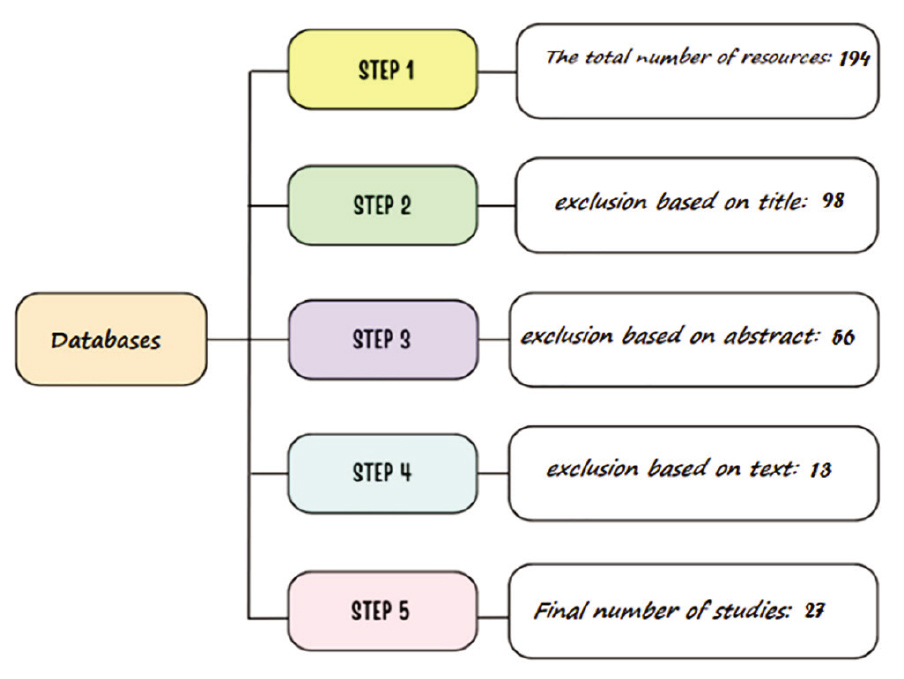
Figure 2. Literature screening process
Study Characteristics and Quality of Studies
The demographic characteristics of the reviewed studies varied significantly, reflecting a diverse range of methodologies, participant groups, and geographic distributions. Many studies employed systematic literature reviews, conceptual analyses, and theoretical frameworks, focusing on the broader implications of Metaverse-based education rather than primary data collection. However, some studies incorporated empirical research methods, engaging the participants from specific demographic groups, such as university students, educators, subject matter experts, and medical trainees.
Regarding geographical distribution, the studies originate from various regions, including China, Taiwan, India, Turkey, Iran, the United States, the United Kingdom, and European nations, showcasing a global perspective on Metaverse adoption in education. While some studies analyzed higher education institutions, others focused on specialized fields like emergency medicine, medical informatics, and digital learning ecosystems. The sample sizes also varied, with some studies involving large-scale systematic reviews of hundreds of articles, while others engaged smaller participant groups through structured interviews, phenomenological analyses, and mixed-method approaches. Additionally, age groups were predominantly within the higher education and professional training range (18-40 years old), reflecting the primary audience for emerging educational technologies. These demographic insights underscore the need for further cross-cultural, interdisciplinary, and inclusive research to assess the broader societal impact of Metaverse integration in education.
Meta-Aggregation
In total, seven main themes were identified. The first theme, emerging technologies in medical education, included 23 key concepts. The second theme, virtual learning environments, comprised 58 key concepts. The third theme, intelligent teaching methods, consisted of 32 key concepts. The fourth theme, personalized learning, was categorized under 10 key concepts. The fifth theme, expanding interactive spaces in medical education, included 29 key concepts. The sixth theme, intelligent assessment mechanisms for students, encompassed 12 key concepts. The seventh theme, developing clinical skills and medical decision-making, was classified under 9 key concepts. Finally, developing medical strategies and foresight included 9 key concepts. Table 3 presents the content analysis results of the selected articles.
| Main themes | Key concepts | References | Example of application in the field of medical education |
|---|---|---|---|
| The Use of Emerging Technologies in Medical Education | Use of virtual reality in learning, use of augmented reality in learning, 3D interactive learning system, use of the Internet of Things in learning, sensor-based learning systems in medical education, application of big data in learning, quantum computing technology, cloud computing, blockchain in education, XR in education, XR-based educational laboratory simulation, AI-driven attendance monitoring in virtual learning, Smart learning ecosystems in medical education, Virtual educational tours in medical training, Digital identity management in virtual education, High-speed network infrastructure for virtual learning, 3D content creation, digital twin technologies, Enhancement of human-computer interaction in medical simulations, 3D online virtual classrooms, Constructing immersive virtual environments for education, mirror world in learning. | Chua ( 19 ) Wu & Ho ( 20 ) Hwang & Chien ( 21 ) Chamola, et al. ( 22 ) Joshi & Pramod ( 23 ) Camilleri & Camilleri ( 24 ) Imannezhad, et al. ( 26 ) Ghaempanah, et al. ( 28 ) Zhang, et al. ( 6 ) Said ( 29 ) Cai, et al. ( 30 ) Gündüz & Sincar ( 31 ) Alfiras, et al. ( 32 ) Avcı & Akgül ( 33 ) Çalışkan & Maya ( 34 ) Dhillon & Tinmaz ( 35 ) Ahmad, et al. ( 36 ) Tekin, et al. ( 38 ) Roy, et al. ( 40 ) Mahmoud ( 42 ) | • Using augmented reality for anatomical body visualization |
| • Simulating surgical environments for students' hands-on practice | |||
| • Analyzing patient data with artificial intelligence for faster diagnosis | |||
| Virtual Learning Environments | Gamification of education, blended learning, web-based learning, simulated learning environments, Accelerated learning pathways, Competency-based training in clinical contexts, reduced learning costs, Scenario-based learning design, inclusive learning, Enhancing learner autonomy, dynamic learning process, Peer-to-peer knowledge sharing, supporting lifelong learning, hands-on learning experience, Facilitating access to hard-to-replicate real-world experiences, Promoting higher-order cognitive engagemen, learning data analysis, developing critical thinking skills, Metacognitive strategy training, understanding new perspectives in learning, inquiry-based learning activities, increasing learning motivation, students' self-efficacy in learning, Shaping learning mindsets, Promoting meaningful learning experiences, developing virtual learning environments, enjoyable learning space, improving learning outcomes, a safe and structured learning environment for skill development, creating a learning environment for talent and creativity discovery, collaborative learning experiences, micro learning, authentic learning, adaptive learning, deeper conceptual learning, learning through social media, integrating different learning styles, expanding distance learning, immersive learning, learning for students with special needs, active learning, storytelling in learning, Improved transfer and application of learned competencies, Facilitating goal-oriented learning outcomes, Learner independence and self-direction, Minimizing cognitive load and learning anxiety, real-world learning scenarios, Enhanced attention to detail in learning tasks, open educational resources, screen-based learning, bridging the gap between formal and informal learning environments, multimodal learning methods, seamless learning experience, Fostering creativity through innovative learning methods, constructivist learning, virtual learning community, sustainable learning. | Chua ( 19 ) Wu & Ho ( 20 ) Hwang & Chien ( 21 ) Chamola, et al. ( 22 ) Kryvenko & Chalyy ( 25 ) Imannezhad, et al. ( 26 ) Braguez, et al. ( 27 ) Ghaempanah, et al. ( 28 ) Zhang, et al. ( 6 ) Said ( 29 ) Cai, et al. ( 30 ) Alfiras, et al. ( 32 ) Avcı & Akgül ( 33 ) Çalışkan & Maya ( 34 ) Ahmad, et al. ( 36 ) Tekin, et al. ( 38 ) Bernardes, et al. ( 39 ) Roy, et al. ( 40 ) Lin, et al. ( 41 ) Mahmoud ( 42 ) Fitria, & Simbolon ( 43 ) de la Asuncion, et al. ( 44 ) | • Using gamification in education to enhance motivation and student engagement in medical learning. |
| • Designing diverse learning scenarios that provide students with hands-on learning experiences. | |||
| • Facilitating collaborative learning experiences and learning through social media in the metaverse environment. | |||
| Intelligent Teaching Methods | Educational innovations, sharing educational resources, education aligned with learning objectives, Diversifying learning objectives based on learner needs, Applying established educational theories to practice, more effective education, especially practical training, development of educational programs, Providing access to varied and context-specific learning scenarios, creation of new educational models, Optimizing instructional time through technology-enhanced learning, Use of authentic and clinically relevant learning scenarios, promotion of innovative and inclusive approaches to skill development, Designing measurable and attainable learning objectives, support for instructional design, Deployment of AI-based virtual teaching assistants, Ongoing facilitation and monitoring of learning processes, online and offline learning, Implementation of virtual labs for practical skill acquisition, Strengthening competency-based education frameworks, Enhanced opportunities for clinical skill development, educational simulation, Designing evidence-based strategies for clinical instruction, Expanding and contextualizing educational content, AI-powered adaptive learning environments, Emerging digital tools in medical education, Flexibility and personalization of learning activities, Effective curation and delivery of digital learning resources, Digitally delivered curriculum frameworks, innovative perspectives on education, new educational models, Universal design for learning (UDL) to accommodate physical diversity, student-centered learning, scenario-based simulation and training. | Chua ( 19 ) Wu & Ho ( 20 ) Hwang & Chien ( 21 ) Chamola, et al. ( 22 ) Kryvenko & Chalyy ( 25 ) Imannezhad, et al. ( 26 ) Braguez, et al. ( 27 ) Ghaempanah, et al. ( 28 ) Zhang, et al. ( 6 ) Said ( 29 ) Cai, et al. ( 30 ) Alfiras, et al. ( 32 ) Avcı & Akgül ( 33 ) Çalışkan & Maya ( 34 ) Ahmad, et al. ( 36 ) Tekin, et al. ( 38 ) Bernardes, et al. ( 39 ) Roy, et al. ( 40 ) Lin, et al. ( 41 ) Mahmoud ( 42 ) Fitria, & Simbolon ( 43 ) de la Asuncion, et al. ( 44 ) | • Developing online and adaptive curricula based on learning data analysis. |
| • Implementing new educational models based on innovative approaches and active learning. | |||
| • Implementing electronic content resource management to optimize the distribution of educational materials and reduce time wastage. | |||
| Personalized Learning | Learning analytics for personalized education, Individualized learning pathways in medical education, Curriculum personalization based on learner profiles, Learner-specific avatars in virtual learning environments, Progress-driven adaptive learning systems, Delivery of tailored educational experiences, Learner-centered instructional design approaches, Use of diagnostic and formative assessments for learning optimization, Performance-based feedback and adaptive guidance mechanisms, Customization of learning trajectories to match learner needs. | Wu & Ho ( 20 ) Hwang & Chien ( 21 ) Chamola, et al. ( 22 ) Camilleri & Camilleri ( 23 ) Kryvenko & Chalyy ( 25 ) Imannezhad, et al. ( 26 ) Ghaempanah, et al. ( 28 ) Zhang, et al. ( 6 ) Gündüz & Sincar ( 31 ) Alfiras, et al. ( 32 ) Dhillon & Tinmaz ( 35 ) Roy, et al. ( 40 ) Lin, et al. ( 41 ) | • Creating 3D avatars that reflect individual learning styles. |
| • Adapting content and learning methods based on students' personal progress. | |||
| • Providing flexible and customized learning pathways in the metaverse environment. | |||
| Expanding Interactive Spaces in Medical Education | Enhancing learner engagement through immersive technologies, promoting interdisciplinary and multidisciplinary collaboration, Facilitating the development of collaborative competencies among learners, analyzing learners' behavioral or interaction patterns, Design and deployment of interactive digital learning resources, increasing interaction levels in the metaverse, verbal interaction through voice recognition and conversation, multimodal interaction, Simultaneous user engagement with multiple digital learning components, Dynamic interaction orchestration in virtual learning environments, visual learning, Facilitating meaningful digital engagement among learners, interactive and participatory approaches in distance education Interoperable educational content exchange across metaverse platforms, constructive collaboration with others, Collaborative problem-solving and team-based learning, creating a collaborative learning environment, Expanding learner-instructor and peer-to-peer digital interactions, collaboration in knowledge creation, developing global cooperation, immersive experience through intercultural interactive models, increasing social interaction through virtual platforms, supporting student communication and teamwork, providing, Structuring collaborative learning to foster interpersonal skill development, horizontal communication channels instead of hierarchical relationships, Enhancing social presence and peer interaction in immersive environments, facilitating collaboration between students and professors, opportunities for connecting people from different regions, a new networked communication space. | Wu & Ho ( 20 ) Hwang & Chien ( 21 ) Chamola, et al. ( 22 ) Camilleri & Camilleri ( 24 ) Kryvenko & Chalyy ( 25 ) Braguez, et al. ( 27 ) Said ( 29 ) Alfiras, et al. ( 32 ) Avcı & Akgül ( 33 ) Çalışkan & Maya ( 34 ) Ahmad, et al. ( 36 ) Talan & Kalinkara ( 37 ) Tekin, et al. ( 38 ) Bernardes, et al. ( 39 ) Roy, et al. ( 40 ) Lin, et al. ( 41 ) Mahmoud ( 42 ) Fitria, & Simbolon ( 43 ) de la Asuncion, et al. ( 44 ) | • Enhancing interdisciplinary interaction through virtual collaboration. |
| • Simulating emergency situations for team-based physician training. | |||
| • Utilizing the metaverse for training physicians' communication skills with patients. | |||
| Intelligent Assessment Mechanisms for Students | Supporting data-informed student performance evaluation, Enhanced accuracy in evaluating student-generated artifacts, Innovative assessment frameworks within metaverse-based learning environments, Performance prediction using learner analytics for targeted interventions, measuring learning progress and providing instant feedback, continuous individualized feedback, real-time feedback, Streamlining the assessment process through intelligent systems, Formative performance assessment using aggregated learner data, Multimodal assessment approaches with integrated real-time feedback, Redesigning assessment paradigms for digital and immersive education. | Wu & Ho ( 20 ) Hwang & Chien ( 21 ) Joshi & Pramod ( 23 ) Kryvenko & Chalyy ( 25 ) Ghaempanah, et al. ( 28 ) Zhang, et al. ( 6 ) Alfiras, et al. ( 32 ) Ahmad, et al. ( 36 ) de la Asuncion, et al. ( 44 ) | • Utilizing learning data analysis to assess student progress. |
| • Creating interactive assessments in virtual metaverse environments. | |||
| • Providing instant feedback to students after completing educational scenarios. | |||
| Developing medical strategies and foresight | Interoperability of educational technology systems, Consolidation and synchronization of educational data streams, Optimized management of digital educational repositories, Real-time monitoring of learner data and system performance, Scalable data architecture for educational environments, Enhancement of learner support services through digital platforms, Adoption of open innovation models in educational technology, Streamlining educational administration through digital transformation, Workflow optimization in educational process management, Enhancing clinical decision-making efficiency through simulation-based training, developing various emergency clinical scenarios, optimizing the decision-making process, AI-assisted automated clinical decision support systems, Improving diagnostic accuracy via immersive virtual simulations, Training time-sensitive clinical decision-making under simulated pressure scenarios, simulating and enhancing clinical skills, Competency development through practice-based clinical methodologies, Virtual simulation of diagnostic and procedural clinical tasks. | Wu & Ho ( 20 ) Chamola, et al. ( 22 ) Joshi & Pramod ( 23 ) Camilleri & Camilleri ( 24 ) Çalışkan & Maya ( 34 ) Lin, et al. ( 41 ) Joshi & Pramod ( 23 ) Tekin, et al. ( 38 ) Bernardes, et al. ( 39 ) | • Creating an integrated educational ecosystem that seamlessly combines the metaverse, e-learning, and learning management systems into a unified platform. |
| • Automating educational administrative processes using blockchain and artificial intelligence to reduce document processing time and course scheduling. | |||
| • Reducing reliance on traditional bureaucratic structures and replacing them with smart digital methods, such as automated enrollment and assessment in the metaverse. |
The Table comprehensively categorizes key themes in medical education, focusing on emerging technologies, interactive learning environments, and intelligent teaching methodologies. The most frequently mentioned concepts include virtual reality (VR), augmented reality (AR), artificial intelligence (AI), metaverse-based simulations, and adaptive learning technologies. The Table also highlights the significance of personalized learning paths, data-driven assessment mechanisms, and interdisciplinary collaboration. This frequency of topics suggests a growing emphasis on technological integration in medical education to enhance practical skill development, decision-making, and real-time clinical simulations. The distribution of research references across different themes indicates a diverse scholarly interest in how these technologies are being adopted in real-world applications. Examining the Table reveals a strong focus on immersive and interactive learning strategies. Concepts like gamification, personalized avatars, and virtual patient interactions underscore the importance of making medical education engaging and student-centered. The application of AI in analyzing patient data for diagnosis and decision support represents a major innovation, indicating how machine learning and predictive analytics are transforming traditional medical training. Moreover, collaborative learning in the metaverse, where students engage in team-based emergency response simulations, suggests a shift toward multidisciplinary training, preparing medical students for real-world clinical environments. Automated assessments and real-time feedback mechanisms show an increasing reliance on data-driven education models that enhance learning efficiency.
Integrating blockchain for academic record management, cloud computing for resource sharing, and AI-powered learning data analysis signal a move toward intelligent and decentralized education systems. Automating administrative tasks—such as student enrollment, certification, and evaluation—indicates an effort to reduce bureaucratic inefficiencies and enhance digital learning ecosystems. The focus on metacognitive learning strategies, inquiry-based approaches, and scenario-based training aligns to foster critical thinking and lifelong learning skills in medical students. Finally, the exploration of multimodal learning environments and digital twins suggests a future where education is hyper-personalized, allowing students to navigate flexible, competency-based learning pathways in real and simulated medical settings. In Figure 3, the results are quantitatively visualized, presenting the frequency of key concepts categorized under each main theme. This visualization clarifies how frequently different concepts appear across the analyzed studies, highlighting the dominant themes and their relative significance in the research.
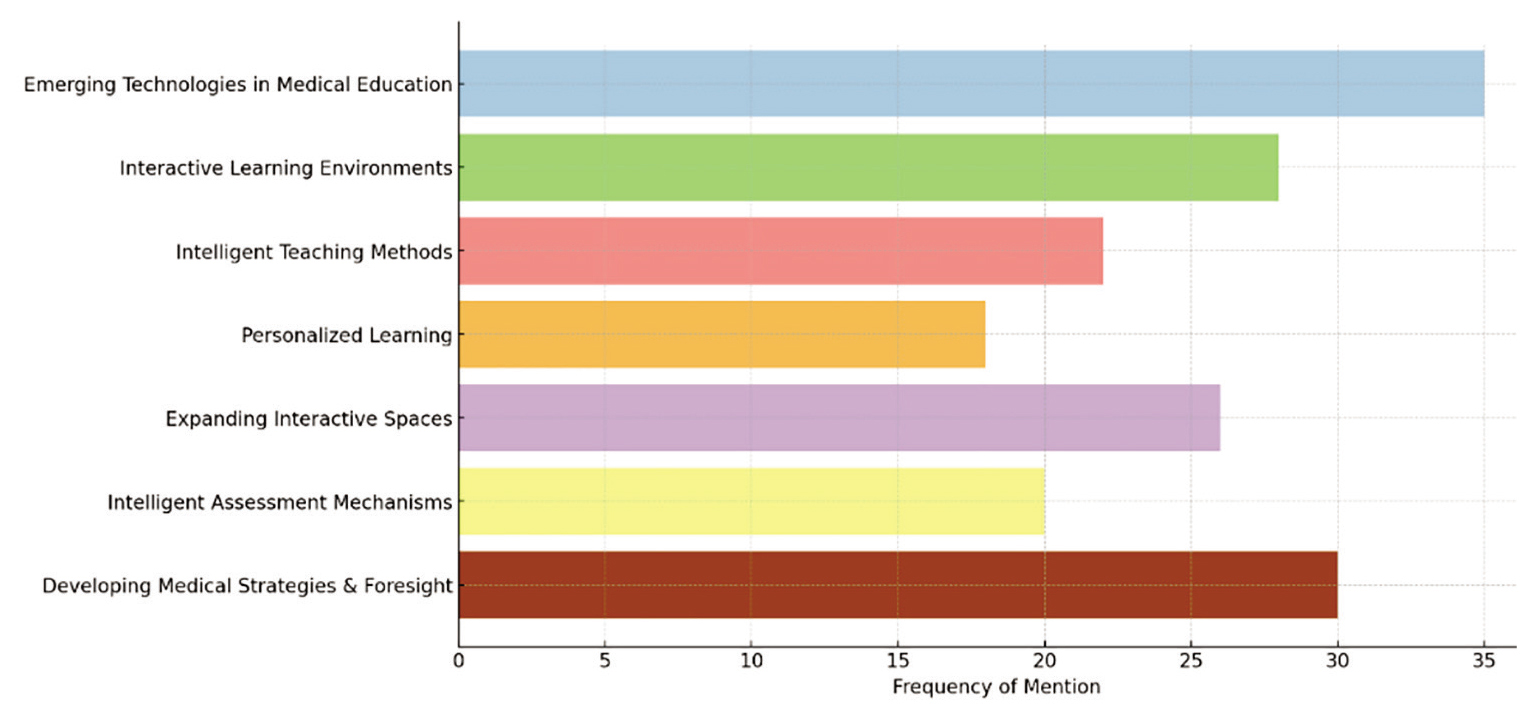
Figure 3. Visualization of the frequency of key concepts based on main themes
The visualization illustrates the frequency of key concepts mentioned in the context of medical education and interactive learning environments. The most frequently mentioned concept, "Emerging Technologies in Medical Education", indicates the growing emphasis on integrating advanced technologies like AI, VR, and AR into medical training.
Discussion
The growing influence of artificial intelligence (AI) in medical education has emerged as a pivotal tool for training a new generation of healthcare professionals and enhancing the overall quality of education and research ( 48 - 51 ). AI plays a significant role in transforming educational structures and methodologies. At the same time, the metaverse, as a groundbreaking and disruptive innovation, is poised to reshape the future of medical education. Its deep and revolutionary impact is expected to lead education toward digitalization, more advanced information delivery, and the modernization of teaching and learning processes ( 52 ). The present study aims to explore and analyze qualitative research focusing on the applications of the metaverse in medical education. Based on the findings, seven main themes have been identified and categorized as the core areas of application. In the following sections, these themes are analyzed in more detail, with a particular focus on the most prominent and influential concepts within each category.
Synthesized finding 1: The Use of Emerging Technologies in Medical Education
The emergence of immersive learning environments has had a profound impact on educational practices, significantly enhancing engagement, active participation, and accessibility to learning resources ( 53 ). In the field of medicine, Virtual Reality (VR) is widely used to simulate real-life clinical scenarios and provide interactive learning experiences. It enables learners to acquire and practice knowledge and skills within a safe and controlled environment ( 54 ). Augmented Reality (AR) is also applied in healthcare design and education to deliver interactive and informative experiences. This technology can integrate textual data, simulations, and interactive 3D models into the learning process, allowing users to engage with content in a more immersive and stimulating way ( 55 ). Mixed Reality (MR) offers another dimension by enabling users to interact with virtual objects in real-world contexts, creating more realistic and engaging experiences. MR can be used effectively in education, remote collaboration, and virtual prototyping ( 56 ). These advanced technologies play a vital role in advancing the medical profession. Immersive 3D computer-based systems assist medical professionals in analyzing various clinical conditions and comparing healthcare data. Incorporating simulation-based learning in the early stages of medical education enables institutions to provide learners with a deeper understanding of clinical procedures and decision-making processes ( 57 ). The findings related to this theme are consistent with the studies conducted by Chua ( 19 ), Wu & Ho ( 20 ), Hwang & Chien ( 21 ), Chamola, et al. ( 22 ), Joshi & Pramod ( 23 ), Camilleri & Camilleri ( 24 ), Imannezhad, et al. ( 26 ), Ghaempanah, et al. ( 28 ), Zhang, et al. ( 6 ), Said ( 29 ), Cai, et al. ( 30 ), Gündüz & Sincar ( 31 ), Alfiras, et al. ( 32 ), Avcı & Akgül ( 33 ), Çalışkan & Maya ( 34 ), Dhillon & Tinmaz ( 35 ), Ahmad, et al. ( 36 ), Tekin, et al. ( 38 ), Roy, et al. ( 40 ), and Mahmoud ( 42 ).
Synthesized finding 2: Virtual Learning Environments
One of the most prominent applications of the metaverse in medical education is gamification of the learning process. The use of games in this context has demonstrated significant educational benefits, with virtual simulations proving highly effective in enhancing learning outcomes. Research also shows that educational games, mobile applications, and virtual patient simulations can boost the learners’ motivation and interest, while also providing a structured environment for practicing deliberate clinical reasoning skills ( 58 ). Another notable application of the metaverse is learning data analysis (LA). As a rapidly evolving field, LA focuses on the collection, measurement, analysis, and reporting of data related to learners and their educational environments, with the goal of optimizing both the learning experience and the learning ecosystem itself ( 59 ). learning data analysis can promote meaningful learning, serve as an additional resource for instruction, facilitate instructor feedback, and enable ongoing assessment of students’ performance and progress ( 60 ). The metaverse also supports the use of storytelling in medical education. Storytelling is a powerful tool for fostering a sense of community and connection, especially in postgraduate medical education. Moreover, it can serve as an effective approach to strengthening resilience among medical trainees. Digital storytelling allows for the translation and dissemination of healthcare knowledge to diverse audience, including caregivers, patients, policymakers, and healthcare professionals. This method also creates opportunities for interdisciplinary collaboration ( 61 ). By integrating storytelling into learning, students can share their experiences, receive peer feedback, and engage in a more collaborative and socially driven learning process ( 62 ). The findings of a study demonstrated that when properly designed to match user needs, metaverse-based educational environments did not present a barrier to learning but instead acted as a catalyst that enhanced comprehension and engagement with complex medical content ( 63 ). Another important application of the metaverse is its ability to facilitate blended learning environments. In such environments, a significant portion of learning takes place outside traditional classroom settings. The appeal of blended learning lies in its flexibility and ability to adapt to the diverse needs of learners ( 64 ). In one study, the comparative advantage of VR-based metaverse teaching over conventional simulation—namely in cost, scalability, and physical space requirements—suggests it is a viable alternative for broad adoption in medical institutions ( 65 ). This approach has been successfully applied in a variety of anatomical subjects such as histology, shoulder and knee anatomy, brainstem, musculoskeletal and cardiovascular systems, radiologic anatomy, and head, face and neck structures. In most cases, blended learning has yielded positive and satisfactory outcomes, indicating that combining in-person instruction with blended methods can significantly enhance active and effective learning across a range of educational domains. Overall, blended learning has shown a positive impact on the educational process ( 66 ). The findings related to this theme align with previous studies conducted by Chua ( 19 ), Wu & Ho ( 20 ), Hwang & Chien ( 21 ), Chamola, et al. ( 22 ), Kryvenko & Chalyy ( 25 ), Braguez, et al. ( 26 ), Ghaempanah, et al. ( 28 ), Zhang, et al. ( 6 ), Said ( 29 ), Cai, et al. ( 30 ), Alfiras, et al. ( 32 ), Avcı & Akgül ( 33 ), Çalışkan & Maya ( 34 ), Ahmad, et al. ( 36 ), Tekin, et al. ( 38 ), Bernardes, et al. ( 39 ), Roy, et al. ( 40 ), Lin, et al. ( 41 ), Mahmoud ( 42 ), Fitria & Simbolon ( 43 ), and de la Asuncion, et al. ( 44 ).
Synthesized finding 3: Intelligent Teaching Methods
Another significant application of the metaverse in medical education is the adoption of Competency-Based Medical Education (CBME). The core objective of this approach is to ensure that learners develop comprehensive clinical competencies required for effective performance in real-world healthcare settings, rather than focusing solely on acquiring isolated theoretical knowledge or skills ( 67 ). CBME emphasizes continuous and accurate self-assessment of learners' progress and is designed to foster lifelong learning skills ( 68 ). As a learner-centered model, CBME offers greater flexibility in timing and simultaneously targets all three domains of learning: knowledge, skills, and attitudes. Implementing this model necessitates a restructuring of teaching and learning activities, as it prioritizes learning outcomes and prepares students for real clinical environments. Therefore, learners are expected to engage more actively in hands-on practice, clinical experience, and competency-based tasks to bridge the gap between theory and professional practice ( 69 ). Another prominent use of the metaverse in medical education is its support for simulation-based learning. Over the past decade, the integration of simulations into medical training and assessment has grown significantly ( 70 ). This technology provides learners with opportunities to develop and refine both technical and non-technical skills in a realistic, safe, and controlled environment, thereby enhancing their readiness for real-life clinical situations ( 71 ). Numerous studies have demonstrated that high-fidelity simulations significantly improve skill acquisition and retention compared to traditional teaching methods ( 70 ). A large-scale study in the United Arab Emirates examined the perceptions of 833 dental students regarding the use of the Metaverse versus traditional platforms like Zoom. The findings revealed that user mobility and accessibility were the key predictors of Metaverse adoption in educational contexts ( 72 ). These findings highlight the growing importance of simulation as a key component of modern medical education, contributing not only to higher-quality learning but also to reducing clinical errors. The findings related to this theme align with a wide range of prior studies, including those by Chua ( 19 ), Wu & Ho ( 20 ), Hwang & Chien ( 21 ), Chamola, et al. ( 22 ), Kryvenko & Chalyy ( 25 ), Imannezhad, et al. ( 26 ), Braguez, et al. ( 27 ), Ghaempanah, et al. ( 28 ), Zhang, et al. ( 6 ), Said ( 29 ), Cai, et al. ( 30 ), Alfiras, et al. ( 32 ), Avcı & Akgül ( 33 ), Çalışkan & Maya ( 34 ), Ahmad, et al. ( 36 ), Tekin, et al. ( 38 ), Bernardes, et al. ( 39 ), Roy, et al. ( 40 ), Lin, et al. ( 41 ), Mahmoud ( 42 ), Fitria & Simbolon ( 43 ), and de la Asuncion, et al. ( 44 ).
Synthesized finding 4: Personalized Learning
One of the core and most valuable applications of the metaverse in medical education is personalized learning. This approach is rooted in the principle of adapting educational experiences to the individual needs, goals, preferences, and learning pace of each learner. Rather than designing a one-size-fits-all system that passively aligns with static user characteristics, personalized learning requires a flexible structure that responds dynamically to the learner’s evolving choices and objectives ( 73 ). The motivation for personalized learning stems from cognitive-social learning theories and social constructivism, where learning is viewed as a meaningful and active process of building knowledge based on prior experiences. Furthermore, based on the principles of intrinsic motivation—where learners make choices driven by interest—and self-determination theory, which emphasizes autonomy and competence, personalized learning fosters deeper, more meaningful, and transferable educational experiences. This is especially crucial in professional healthcare training and in promoting lifelong learning ( 74 ). In this context, a variety of educational models are employed to scaffold the learning process and strengthen the learner’s individual competencies. By personalizing the time, place, and pace of learning, learners gain increased flexibility and autonomy, allowing them to take an active role in shaping their educational pathways. The metaverse plays a crucial complementary role in this process by offering tools for tracking, managing, and analyzing the learning journey, while also enabling access to advanced informational resources ( 75 ). The findings associated with this theme align with prior research by Wu & Ho ( 20 ), Hwang & Chien ( 21 ), Chamola, et al. ( 22 ), Camilleri & Camilleri ( 23 ), Kryvenko & Chalyy ( 25 ), Imannezhad, et al. ( 26 ), Ghaempanah, et al. ( 28 ), Zhang, et al. ( 6 ), Gündüz & Sincar ( 31 ), Alfiras, et al. ( 32 ), Dhillon & Tinmaz ( 35 ), Roy, et al. ( 40 ), and Lin, et al. ( 41 ).
Synthesized finding 5: Expanding Interactive Spaces in Medical Education
Interactivity and communication networking represent another vital and prominent application of the metaverse in medical education. In the 21st century, co-creation of knowledge and collective problem-solving for complex challenges have become top priorities in driving innovation and development ( 76 ). In this evolving context, traditional educational and collaborative structures are being replaced by Living Labs and Makerspaces—environments that value open dialogue, exchange of ideas, collaboration, and hands-on experimentation just as much as theoretical knowledge in shaping innovative solutions. Within such ecosystems, interdisciplinary and transdisciplinary approaches have become integral to technological innovation cycles, helping to bridge the gap between academic research, industry, and education. By enabling shared, interactive virtual environments, the metaverse fosters broad-based networking and collaboration among students, educators, professionals, and other stakeholders across various domains. In parallel, collaborative learning has emerged as a central feature of modern education. This approach involves students working together in small groups (typically two to five members) to achieve shared learning goals ( 77 ). A study utilizing the Second Life metaverse implemented a 6-week interuniversity radiology competition involving over 100 student teams. The gamified environment enabled collaborative learning through weekly tasks and tests on radiologic anatomy and semiology, with overall positive feedback from participants ( 78 ). In many constructivist-based models, such as Problem-Based Learning (PBL) and Inquiry-Based Learning, learners are encouraged to engage in problem-solving, project design, or group research, which promotes teamwork, critical thinking, and meaningful engagement with learning materials ( 79 ). Decades of empirical research have shown a positive correlation between collaborative learning and key educational outcomes, including academic achievement, motivation, effort, and persistence ( 80 , 81 ). Following the disruptions caused by the COVID-19 pandemic, a study in the United Arab Emirates explored the students’ perceptions of metaverse systems as a remote alternative for medical training. The research highlighted the growing acceptance and feasibility of using immersive platforms when traditional, face-to-face instruction was restricted ( 82 ). The metaverse offers a powerful platform to support these forms of learning in virtual yet highly interactive, flexible, and inclusive environments, allowing even geographically distant learners to collaborate in real time within a shared educational space. Findings related to this theme are consistent with previous studies by Wu & Ho ( 20 ), Hwang & Chien ( 21 ), Chamola, et al. ( 22 ), Camilleri & Camilleri ( 24 ), Kryvenko & Chalyy ( 25 ), Braguez, et al. ( 27 ), Said ( 29 ), Alfiras, et al. ( 32 ), Avcı & Akgül ( 33 ), Çalışkan & Maya ( 34 ), Ahmad, et al. ( 36 ), Talan & Kalinkara ( 37 ), Tekin, et al. ( 38 ), Bernardes, et al. ( 39 ), Roy, et al. ( 40 ), Lin, et al. ( 41 ), Mahmoud ( 42 ), Fitria & Simbolon ( 43 ), and de la Asuncion, et al. ( 44 ).
Synthesized finding 6: Intelligent Assessment Mechanisms for Students
Assessment is arguably one of the most crucial and transformative domains in which Artificial Intelligence (AI) has demonstrated significant potential to reshape educational practices—particularly in medical education. Unlike traditional methods, AI-powered assessment moves beyond static testing formats and relies on the analysis of complex data, learner behaviors, and the processes behind learning itself. As such, AI has the potential not just to enhance but even to replace conventional assessment models, ushering in a fundamental shift in educational tools, strategies, and goal-setting frameworks ( 83 ). By leveraging AI-based tools, instructors and educators are able to allocate more time to core teaching and mentoring activities, as administrative and routine assessment tasks can be handled automatically. Moreover, AI technologies enable faster and more accurate feedback, facilitating the more effective implementation of formative assessments throughout the term. This, in turn, supports a more focused and responsive path toward achieving learning outcomes ( 84 ). In this context, Mirchi, et al. ( 85 ) introduced a practical model that combines AI with simulation-based medical education. They developed a virtual operational assistant capable of delivering automated, real-time feedback to medical students based on specific performance criteria. Using a formative learning framework, this system integrates virtual reality and artificial intelligence to classify learners according to their skill-based performance, providing them with targeted feedback to support continuous improvement. These advancements demonstrate that AI is not only a tool for more precise assessment but also a catalyst for active and effective learning. In the near future, it is expected that AI-driven educational systems will be widely adopted across medical training programs to build responsive, intelligent, and adaptive learning environments. The findings of this theme are in the same line with studies by Wu & Ho ( 20 ), Hwang & Chien ( 21 ), Joshi & Pramod ( 23 ), Kryvenko & Chalyy ( 25 ), Ghaempanah, et al. ( 28 ), Zhang, et al. ( 6 ), Alfiras, et al. ( 32 ), Ahmad, et al. ( 36 ), and de la Asuncion, et al. ( 44 ).
Synthesized finding 7: Developing Medical Strategies and Foresight
The use of artificial intelligence (AI) in decision-making stands as one of the most fundamental and impactful applications of this technology throughout its development. AI systems, particularly in medicine, can serve as supportive tools for human decision-makers, or, in some cases, fully replace human decision-making processes ( 86 ). In recent years, a new wave of AI systems with advanced predictive capabilities has emerged. These systems not only significantly improve the accuracy of predictions but also drastically reduce the cost associated with decision-making and data analysis ( 87 ). In a mixed-methods study involving nursing students, a metaverse-based career mentoring program significantly improved the mentees’ career decision-making self-efficacy, while also fostering realistic, open communication between mentors and mentees ( 88 ). Such advancements have created an ideal foundation for the broader integration of AI into complex medical decision-making. For example, in a study conducted by Loftus and colleagues, the researchers explored the applications of AI in clinical decision-making, with a particular focus on surgery. The findings indicated that integrating AI into surgical decision-making has the potential to fundamentally transform patient care. This includes several key improvements: Enhancing the accuracy and confidence in decisions to proceed with surgery, Improving the informed consent process for patients, Identifying and mitigating modifiable risk factors before surgery, Supporting optimized post-operative care planning, and facilitating more effective shared decision-making regarding the use of medical resources ( 89 ). In a study, immersive virtual and augmented environments, implemented through stereoscopic vision glasses, have been used to simulate clinical settings, enabling students to engage in realistic diagnostic and procedural training ( 90 ). In another study, over 490 virtual cases were completed by medical students, with results showing improved confidence and preparedness to manage real-world scenarios, especially when technical issues were minimized ( 91 ). In a study conducted in South Korea, a metaverse-based handoff simulation program using the ZEPETO platform was developed for senior nursing students in a pediatric intensive care context. The program successfully improved students’ handoff self-efficacy, demonstrating the value of immersive, patient-centered communication training in virtual settings ( 92 ). These insights clearly demonstrate that AI plays a transformative role not only in data analysis but also in elevating the quality of clinical decision-making. Looking ahead, the integration of AI into clinical reasoning education within medical training programs will likely contribute to the development of physicians who can make more precise, informed, and effective decisions by leveraging intelligent technologies. The findings of a study revealed that nurses scored significantly higher than students across all subdomains of metaverse experience, suggesting that prior clinical exposure and self-efficacy levels may mediate the effectiveness of immersive learning tools ( 93 ). The findings related to this theme align with previous research by Wu & Ho ( 20 ), Joshi & Pramod ( 23 ), Tekin, et al. ( 38 ), and Bernardes, et al. ( 39 ).
Limitations and Future Directions
Despite the rigorous design of this metasynthesis and adherence to the JBI metaaggregation methodology, several limitations should be acknowledged. Firstly, the inclusion criteria were restricted to studies published in English, which may have introduced a language bias and excluded potentially relevant findings published in other languages. Secondly, one notable limitation is the limited generalizability of qualitative studies, as their findings are often context-specific and derived from small, non-representative samples. This restricts the extent to which the results can be applied to broader populations or different educational settings. Using a quantitative approach, future researchers are encouraged to conduct a quasiexperimental intervention study to evaluate the effectiveness of metaverse-based education on clinical performance and decision-making skills of medical students compared to traditional instructional methods. From a qualitative perspective, a phenomenological study is recommended to explore the lived experiences of medical students in metaverse-based learning environments, focusing on their perceptions of interaction, cognitive engagement, and meaningful learning. Finally, employing a mixedmethods approach, it is suggested that researchers should design an exploratory study that first identifies the factors influencing metaverse technology acceptance from the students’ perspective (qualitative phase), and then tests the proposed acceptance model using structural equation modeling (SEM) in the quantitative phase. By creating fundamental transformations in various aspects of medical education, artificial intelligence has reshaped the face of this field.
Conclusions
Based on the findings of this qualitative meta-synthesis, it is evident that the integration of emerging technologies—particularly the metaverse and artificial intelligence—has initiated a fundamental transformation in medical education. These technologies enable the creation of immersive, interactive, competency-based, and personalized learning environments, which, compared to traditional methods, significantly enhance student engagement, conceptual understanding, clinical skills development, and decision-making abilities. The systematic review of the literature highlights that areas such as intelligent assessment, simulation-based training, interactive learning, and competency-based education present the greatest potential for applying metaverse technologies. However, effective utilization of these capabilities requires robust technological infrastructure, the development of educational policies aligned with digital innovation, and comprehensive training for educators and instructional designers. Given challenges such as high implementation costs, ethical considerations, and unequal access to technology, it is essential to adopt more precise strategic and policy approaches. Overall, the findings of this study offer a roadmap for researchers, policymakers, and academic institutions aiming to advance medical education in the digital era, and lay the groundwork for future empirical research on the effective deployment of the metaverse in health professions education.
Acknowledgment
The authors gratefully acknowledge colleagues who assisted in reviewing the qualitative findings of this meta synthesis article.
Conflict of Interest
The authors have no conflicts of interest to declare.
Declaration of AI
Artificial intelligence–based language tools were utilized to assist with translation, improve textual structure, and enhance overall clarity during the preparation and editing of this manuscript. All outputs produced by these tools were carefully evaluated, critically revised, and fully approved by the authors.
Authors’ Contributions
ZT was responsible for the literature search and article retrieval from the electronic databases. HM conducted the screening and selection of studies, including the critical appraisal of the included articles. AK performed the data analysis and synthesis, theme identification, and interpretation of the findings. FD wrote the first draft of the manuscript, including the introduction, tables/figures, and conclusion. All authors contributed to the critical revision of the manuscript for important intellectual content, approved the final version, and agree to be accountable for all aspects of the work.
References
- Kanber H, Al-Taai S, Al-Dulaimi W. The importance of using metaverse technology in education from the point of view of University Teachers. International Journal of Emerging Technologies in Learning (iJET). 2023; 18(22):115-27.
- Al-Sharafi MA, Al-Emran M, Iranmanesh M, Al-Qaysi N, Iahad NA, Arpaci I. Understanding the impact of knowledge management factors on the sustainable use of AI-based chatbots for educational purposes using a hybrid SEM-ANN approach. Interactive Learning Environments. 2023; 31(10):7491-510.
- Bartošovič M, Tamášová V. Metaverse in Education: Industry 4. IJAC 2023; 8(3):93-4.
- Taçgın Z. Virtual and augmented reality: an educational handbook. UK: Cambridge Scholars Publishing; 2020 Mar 20.
- Kye B, Han N, Kim E, Park Y, Jo S. Educational applications of metaverse: possibilities and limitations. Journal of educational evaluation for health professions. 2021; 18:32.
- Zhang X, Chen Y, Hu L, Wang Y. The metaverse in education: Definition, framework, features, potential applications, challenges, and future research topics. Frontiers in Psychology. 2022; 13:1016300.
- Kalınkara Y, Özdemir O. Anatomy in the metaverse: Exploring student technology acceptance through the UTAUT2 model. Anatomical Sciences Education. 2024; 17(2):319-36.
- Mystakidis S. Metaverse. Encyclopedia. 2022; 2(1):486-97.
- Tlili A, Huang R, Shehata B, Liu D, Zhao J, Metwally AH, et al. Is Metaverse in education a blessing or a curse: a combined content and bibliometric analysis. Smart Learning Environments. 2022; 9(1):1-31.
- Pradana M, Elisa HP. Metaverse in education: A systematic literature review. Cogent Social Sciences. 2023; 9(2):2252656.
- Rahman KR, Shitol SK, Islam MS, Iftekhar KT, Saha P. Use of metaverse technology in education domain. Journal of Metaverse. 2023; 3(1):79-86.
- Lau J, Dunn N, Qu M, Preyra R, Chan TM. Metaverse technologies in acute care medical education: A scoping review. AEM Education and Training. 2025; 9(1):e11058.
- Velev D, Dimitrov D, Zlateva P. Challenges of metaverse in education digitalization. InDigitalization and Management Innovation II. Amsterdam, Netherlands: IOS Press; 2023.
- Xu M, Ng WC, Lim WY, Kang J, Xiong Z, Niyato D, et al. A full dive into realizing the edge-enabled metaverse: Visions, enabling technologies, and challenges. IEEE Communications Surveys & Tutorials. 2022; 25(1):656-700.
- Lim WY, Xiong Z, Niyato D, Cao X, Miao C, Sun S, et al. Realizing the metaverse with edge intelligence: A match made in heaven. IEEE Wireless Communications. 2022; 30(4):64-71.
- Meliande R, Ribeiro A, Arouca MG, Amorim AM, Pestana MC, Vieira V. Meta-education: A case study in academic events in the metaverse. Brazil: InSimpósio Brasileiro de Sistemas Colaborativos (SBSC); 2024 Apr 29.
- Maghaydah S, Al-Emran M, Maheshwari P, Al-Sharafi MA. Factors affecting metaverse adoption in education: A systematic review, adoption framework, and future research agenda. Heliyon. 2024; 10(7):e28602.
- Moher D, Liberati A, Tetzlaff J, Altman DG. Preferred reporting items for systematic reviews and meta-analyses: the PRISMA statement. BMJ. 2009; 6(7):e1000097.
- Chua HW, Yu Z. A systematic literature review of the acceptability of the use of Metaverse in education over 16 years. Journal of Computers in Education. 2024; 11(2):615-65.
- Wu TC, Ho CT. A scoping review of metaverse in emergency medicine. Australasian emergency care. 2023; 26(1):75-83.
- Hwang GJ, Chien SY. Definition, roles, and potential research issues of the metaverse in education: An artificial intelligence perspective. Computers and Education: Artificial Intelligence. 2022; 3:100082.
- Chamola V, Hassija V, Singh A, Mittal U, Pareek R, Mangal P, et al. Metaverse for education: Developments, challenges and future direction [Internet]. 2023 [Cited 2 Jul 2023]. Available from: https://onlinelibrary.wiley.com/doi/10.1002/cae.70018
- Joshi S, Pramod PJ. A collaborative metaverse based a-la-carte framework for tertiary education (CO-MATE). Heliyon. 2023; 9(2):e13424.
- Camilleri MA, Camilleri AC. New York: United States of America; 2023 Jul 26.
- Kryvenko I, Chalyy K. Phenomenological toolkit of the metaverse for medical informatics’ adaptive learning. Educación Médica. 2023; 24(5):100854.
- Imannezhad S, Vahedian-Shahroodi M, Shariati K, Mansourzadeh A, Saeedi M. Metaverse in Education; An Overview of Systematic Reviews. Medical Education Bulletin. 2023; 4(2):731-43.
- Braguez J, Braguez M, Moreira S, Filipe C. The possibilities of changes in learning experiences with Metaverse. Procedia Computer Science. 2023; 219:504-11.
- Ghaempanah F, Moasses Ghafari B, Hesami D, Hossein R, Noroozpoor R, Moodi Ghalibaf A, et al. Metaverse and its impact on medical education and health care system: A narrative review. Health Science Reports. 2024; 7(9):e70100.
- Said GR. Metaverse-based learning opportunities and challenges: A phenomenological metaverse human–computer interaction study. Electronics. 2023; 12(6):1379.
- Cai S, Jiao X, Song B. Open another door to education—applications, challenges and perspectives of the educational Metaverse. Metaverse. 2022; 3(1):12.
- Gündüz N, Sincar M. Metavethics in Higher Education Institutions: Is the Metaverse the Second Forbidden Fruit of Humanity? International Journal of Contemporary Educational Research. 2024; 11(2):186-203.
- Alfiras M, Bojiah J, Mohammed MN, Ibrahim FM, Ahmed HM, Abdullah OI. Powered education based on Metaverse: Pre-and post-COVID comprehensive review. Open Engineering. 2023; 13(1):20220476.
- Avcı Ü, Akgül F. The effect of metaverse technologies on education and human-computer interaction: A systematic analysis of the literature. Journal of Educational Technology and Online Learning. 2024; 7(1):1-6.
- Çalışkan G, Maya İ. Opinions and expectations of instructors on metaverse applications in higher education. Journal of Educational Technology and Online Learning. 2024; 7(2):273-85.
- Dhillon PK, Tinmaz H. Academic Augmentation: Analyzing Avatar Design in Educational Metaverse. Journal of Metaverse. 2024; 4(1):54-70.
- Ahmad Z, Batool S, Bhatti OS. Unlocking the metaverse potential: evaluation of public and private higher educational institutions in Pakistan on adoption to futuristic technologies. Pakistan Languages and Humanities Review. 2024; 8(2):138-47.
- Talan T, Kalinkara Y. Students' Opinions about the Educational Use of the Metaverse. International Journal of Technology in Education and Science. 2022; 6(2):333-46.
- Tekin S, Çiçek Korkmaz A. How will metaverse impact nursing education? Second life and virtual reality example. Education Journal of Educational Research. 2023; 5(9-10):207-16.
- Bernardes A, Gardim L, Araújo AA, Jensen R, Motta RA, Almeida DM, et al. Exploring the metaverse in the education of healthcare students: A scoping review. Revista Latino-Americana de Enfermagem. 2024; 32:e4347.
- Roy R, Babakerkhell MD, Mukherjee S, Pal D, Funilkul S. Development of a framework for metaverse in education: A systematic literature review approach. IEEE Access. 2023; 11:57717-34.
- Lin H, Wan S, Gan W, Chen J, Chao HC. Osaka, Japan: IEEE; 2022 Dec 17.
- Mahmoud AB. Exploring the public's beliefs, emotions and sentiments towards the adoption of the metaverse in education: A qualitative inquiry using big data. British Educational Research Journal. 2024; 50(5):2320-41.
- Fitria TN, Simbolon NE. Possibility of metaverse in education: opportunity and threat. SOSMANIORA: Jurnal Ilmu Sosial dan Humaniora. 2022; 1(3):365-75.
- de la Asuncion IN, Vargas-Murillo AR, Palacios RJ, de Jesús Guevara-Soto F, Ypanaque-Pereira IL. Smart learning in virtual worlds: a systematic literature review on the usage and applications of metaverse in education. International Journal of Learning, Teaching and Educational Research. 2023; 22(9):85-101.
- Lockwood C, Munn Z, Porritt K. Qualitative research synthesis: methodological guidance for systematic reviewers utilizing meta-aggregation. JBI Evidence Implementation. 2015; 13(3):179-87.
- Zhao Y, Rosa RD, Zhang Q, Zhao W, Xu H, Wang R, et al. Lived experiences of parents providing care to young people who self-harm: a protocol for a meta-aggregative synthesis of qualitative studies. BMJ open. 2022; 12(8):e065489.
- Smulowitz S. Constant comparison. The international encyclopedia of communication research methods. USA: Wiley Online Library; 2017.
- Huang C. Artificial Intelligence and the Metaverse: Transforming the Future of Medical Education. Advances in Economics, Management and Political Sciences. 2025; 149:164-9.
- Keykha A, Mohammadi H, Darabi F, Hosseini SS. Identifying the Applications of Artificial Intelligence in the Assessment of Medical Students. Strides in Development of Medical Education. 2025; 22(1):1.
- Keykha A, Imanipour M, Shahrokhi J, Amiri M. The Advantages and Challenges of Electronic Exams: A Qualitative Research based on Shannon Entropy Technique. Journal of Advances in Medical Education & Professionalism. 2025; 13(1):1.
- Keykha A, Behravesh S, Ghaemi F. ChatGPT and Medical Research: A Meta-Synthesis of Opportunities and Challenges. Journal of Advances in Medical Education & Professionalism. 2024; 12(3):135.
- Wang Q, Tang L, Wang Y. Potential applications of the metaverse in higher English education. Open Journal of Social Sciences. 2023; 11(1):450-9.
- AlGerafi MA, Zhou Y, Oubibi M, Wijaya TT. Unlocking the potential: A comprehensive evaluation of augmented reality and virtual reality in education. Electronics. 2023; 12:3953.
- Chen D, Zhang R. Exploring research trends of emerging technologies in health metaverse: A bibliometric analysis. Amsterdam, Netherlands: SSRN 3998068; 2022.
- Reyes CE. Percepción de estudiantes de bachillerato sobre el uso de Metaverse en experiencias de aprendizaje de realidad aumentada en matemáticas: Perception of high school students about using Metaverse in augmented reality learning experiences in mathematics. Pixel-Bit Revista de Medios y Educación. 2020; 58:143-59.
- Birt J, Cowling M. Toward future'mixed reality'learning spaces for STEAM education. International Journal of Innovation in Science and Mathematics Education. 2017; 25(4):1-16.
- Syed Abdul S, Upadhyay U, Salcedo D, Lin CW. Virtual reality enhancing medical education and practice: Brief communication. Digital Health. 2022; 8:20552076221143948.
- Krishnamurthy K, Selvaraj N, Gupta P, Cyriac B, Dhurairaj P, Abdullah A, et al. Benefits of gamification in medical education. Clinical Anatomy. 2022; 35(6):795-807.
- Siemens G. Learning analytics: The emergence of a discipline. American Behavioral Scientist. 2013; 57(10):1380-400.
- Daley BJ, Torre DM. Concept maps in medical education: an analytical literature review. Med Educ. 2010; 44(5):440-8.
- Ingram C. Storytelling in medical education, clinical care, and clinician well-being. Archives of Medicine and Health Sciences. 2021; 9(2):337-44.
- Mojtahedzadeh R, Mohammadi A, Emami AH, Zarei A. How digital storytelling applied in health profession education: a systematized review. Journal of Advances in Medical Education & Professionalism. 2021; 9(2):63.
- Rodriguez-Florido MÁ, Reyes-Cabrera JJ, Melián A, Hernández-Flores CN, Ruiz-Azola J, Maynar M. Feasibility of teaching and assessing medical students in the metaverse: design and features for its learning efficiency. Journal of New Approaches in Educational Research. 2024; 13(1):9.
- Teunissen PW, Scheele F, Scherpbier AJ, Van Der Vleuten CP, Boor K, Van Luijk SJ, et al. How residents learn: qualitative evidence for the pivotal role of clinical activities. Med Educ. 2007; 41(8):763-70.
- Huang H, Yin J, Lv F, Lin Y, Zou J. A study on the impact of open source metaverse immersive teaching method on emergency skills training for medical undergraduate students. BMC medical education. 2024; 24(1):859.
- Karbasi Z, Eslami P, Zahmatkeshan M, Hajesmaeel Gohari S. Investigating the effectiveness of blended learning as a new strategy for teaching anatomy to medical students: A systematic review. Strides in Development of Medical Education. 2023; 20(1):162-72.
- Seetharaman R. Pros and Cons: Global Adoption of Competency-Based Medical Education. Acad Med. 2023; 98(12):1346.
- Miser WF, Haynes J. Preparing for the 2019 ACGME common program requirements—what’s new? Ann Fam Med. 2019; 17(2):186-7.
- Shah N, Desai C, Jorwekar G, Badyal D, Singh T. Competency-based medical education: An overview and application in pharmacology. Indian journal of pharmacology. 2016; 48(Suppl 1):S5.
- Scalese RJ, Obeso VT, Issenberg SB. Simulation technology for skills training and competency assessment in medical education. Journal of general internal medicine. 2008; 23:46-9.
- Elendu C, Amaechi DC, Okatta AU, Amaechi EC, Elendu TC, Ezeh CP, et al. The impact of simulation-based training in medical education: A review. Medicine. 2024; 103(27):e38813.
- Salloum S, Shaalan K, Alfaisal M, Salloum A, Gaber T. India: IEEE; 2024 Jan 27.
- Watson WR, Watson SL. Principles for personalized instruction. InInstructional-Design Theories and Models. UK: Routledge; 2016.
- Rojanasarot S, Milone A, Balestrieri R, Pittenger AL. Personalized learning in an online drugs and US health care system controversies course. American journal of pharmaceutical education. 2018; 82(8):6391.
- Twyman J, Redding S. Personal Competencies/Personalized Learning: Reflection on Instruction. A Peer-to-Peer Learning and Observation Tool. USA: Council of Chief State School Officers; 2015.
- Ehlen CG. Amesterdam, Netherland: Open Universiteit; 2015.
- Wilson KJ, Brickman P, Brame CJ. Group work. CBE—Life Sciences Education. 2018; 17(1):fe1.
- Rodriguez-Florido MÁ, Reyes-Cabrera JJ, Melián A, Hernández-Flores CN, Ruiz-Azola J, Maynar M. Feasibility of teaching and assessing medical students in the metaverse: design and features for its learning efficiency. Journal of New Approaches in Educational Research. 2024; 13(1):9.
- Jeong H, Hmelo-Silver CE, Jo K. Ten years of computer-supported collaborative learning: A meta-analysis of CSCL in STEM education during 2005–2014. Educational research review. 2019; 28:100284.
- Barron B. Achieving coordination in collaborative problem-solving groups. The journal of the learning sciences. 2000; 9(4):403-36.
- Johnson DW, Johnson RT, Smith K. The state of cooperative learning in postsecondary and professional settings. Educational psychology review. 2007; 19:15-29.
- Alawadhi M, Alhumaid K, Almarzooqi S, Aljasmi S, Aburayya A, Salloum SA, et al. Factors affecting medical students’ acceptance of the metaverse system in medical training in the United Arab Emirates. South Eastern European Journal of Public Health (SEEJPH). 2022; 5:1.
- Cope B, Kalantzis M, Searsmith D. Artificial intelligence for education: Knowledge and its assessment in AI-enabled learning ecologies. Educational philosophy and theory. 2021; 53(12):1229-45.
- Tonbuloğlu B. An evaluation of the use of artificial intelligence applications in online education. Journal of Educational Technology and Online Learning. 2023; 6(4):866-84.
- Mirchi N, Bissonnette V, Yilmaz R, Ledwos N, Winkler-Schwartz A, Del Maestro RF. The Virtual Operative Assistant: An explainable artificial intelligence tool for simulation-based training in surgery and medicine. PloS one. 2020; 15(2):e0229596.
- Edwards JS, Duan Y, Robins PC. An analysis of expert systems for business decision making at different levels and in different roles. European Journal of Information Systems. 2000; 9(1):36-46.
- Agrawal A, Gans J, Goldfarb A. Prediction machines, updated and expanded: The simple economics of artificial intelligence. USA: Harvard Business Press; 2022.
- Kim Y, Kim MY. Effects of metaverse-based career mentoring for nursing students: a mixed methods study. BMC nursing. 2023; 22(1):160.
- Loftus TJ, Tighe PJ, Filiberto AC, Efron PA, Brakenridge SC, Mohr AM, et al. Artificial intelligence and surgical decision-making. JAMA surgery. 2020; 155(2):148-58.
- Juanes Méndez JA, Marcos-Pablos S, González Izard S. Singapore: Springer Nature Singapore; 2022.
- Tsao S, Clancy C, Bennett N, Rose S, Kassutto S. Medical education in the metaverse: Integration of virtual learning experiences into core clerkships for medical students. Acad Med. 2023; 98(11S):S189-90.
- Cho IY, Yun JY, Moon SH. Development and effectiveness of a metaverse reality-based family-centered handoff education program in nursing students. Journal of Pediatric Nursing. 2024; 76:176-91.
- Jeon H, Shin H, Woo J. User experience and interface assessment for metaverse platforms on nurses and nursing students: A cross-sectional study. Nurse Education Today. 2024; 139:106222.


