
Introduction
Currently, medical education emphasizes the development of a broad range of skills. For instance, strong theoretical knowledge, hands-on clinical skills, and good interpersonal skills are given special attention, and these skills are primarily taught using previous traditional methods ( 1 , 2 ). Moreover, the effectiveness of this educational system is questionable, particularly in medical fields, where group discussions and peer interactions are essential for developing knowledge and skills ( 3 , 4 ). In this regard, the COVID-19 pandemic and restrictions of educational institutions played a substantial role in pushing institutions forward to consider E-learning as an alternative option for the traditional approach ( 5 ). E-learning has several advantages, including flexibility, ease of access, consideration of individual differences, cost-effectiveness, and self-pacing. Meanwhile, a vast majority of the literature has examined the challenges of E-learning in low- and middle-income countries (LMICs). The primary challenges E-learning (LMICs) confront include limited prior experience, inadequate IT resources, insufficient infrastructure, unreliable Internet access, and a lack of educational equipment (e.g. computers are available to both teachers and students) ( 6 , 7 ).
A critical component of evaluating E-learning involves identifying problems from the students' perspective to improve the course quality. The students’ insights, derived from their expectations and experiences, are vital for this process ( 8 ). For example, Nepalian medical students found online classes to be less effective than traditional face-to-face methods. Further, nearly one-third of the students stated that they had never attended online classes ( 9 ). Thus, new educational models should be developed to ensure that E-learning is effective and meets students' learning needs. These models should go beyond merely shifting traditional online methods and should not serve merely as an alternative to live education ( 10 ).
In spite of the growing reliance on e-learning and paradigm shifting of educational systems during and after COVID-19 pandemic, there is a lack of updated comprehensive evidence on the specific challenges healthcare students face in practical courses ( 11 ). Most of the review studies investigating E-learning challenges were conducted before the pandemic or in non-clinical settings ( 12 , 13 ). Moreover, a growing body of literature published post-pandemic has examined only medical students or nursing students as the target population or limited its context to lower to middle-income countries or a specific type of E-learning methodology ( 6 , 7 ).
This gap is critical since healthcare education relies heavily on experiential learning; without understanding the barriers in virtual practical training, institutions risk compromising skill development and clinical competency ( 14 ). Thus, a comprehensive study of updated literature is necessary to ensure the consideration of the paradigm shift caused by COVID-19 as well as its related positive or negative outcomes that could change the challenges faced by learners ( 11 ). Avoiding the restriction of included studies to a single clinical discipline or learning environment (LMICs) is also crucial for the generalizability of the results to different clinical disciplines. Ultimately, examination of these challenges is essential for providing possible solutions based on instructional models and designing effective, sustainable e-learning models that fulfil the unique demands of healthcare students’ education.
Methods
Study Design
A systematic scoping review was performed, which involved systematic search, evaluation of literature, along with descriptive synthesis of existing research evidence on a broad topic. The reporting of this scoping review adhered to the PRISMA Extension for Scoping Reviews (PRISMA-ScR) checklist ( 15 ).
Search Strategy and Data Sources
By November 18, 2023, a systematic search was completed on English-language materials and peer-reviewed articles related to the study question, "What are the challenges of E-learning among healthcare students during the COVID-19 pandemic and beyond?" Initially, a preliminary and rapid search of the Scopus, Cochrane Library, and PROSPERO databases was conducted to confirm the absence of any registered systematic reviews directly aligned with the objectives of the present study. No relevant articles were found. Next, searches were conducted in 5 databases, including PubMed, Web of Science, Scopus, Eric, and EMBASE. The "AND" operator was employed to combine different concepts, and the "OR" operator was utilized for synonyms. Searches were carried out in the "Title, Abstract, and Keyword" sections of the databases' articles published after December 2019. MeSH, in addition to free-text searches, was utilized to find relevant terms. The search strategy focused on the population, intervention, and outcomes of the PICOT framework.
Study Selection
A comprehensive list of references was compiled for each article. Initially, two authors (MY, FSH) reviewed the titles of all articles from the database. The articles that not only fulfilled the inclusion criteria but also aligned perfectly with the research objective were selected. Subsequently, these authors reviewed the abstracts of the selected papers.
Articles focusing on the challenges of E-learning in practical courses among health occupations students during and after the COVID-19 pandemic were chosen. This process was repeated twice in all the above steps. In cases of disagreement regarding a study, the senior author (MKH) made the final decision. The papers included had to report students' challenges from their perspective or reported by instructors on a specific course within the article or its supplementary materials.
Inclusion Criteria
Regarding the PICO framework, "P" refers to the study population, "I" denotes E-learning and similar approaches, "O" indicates Challenges, and "T" represents during and after the COVID-19 pandemic. The "C" or comparison group was not considered in this study, as there was no comparison group. Again, "O" was not used in the search strings to make the string more inclusive. For inclusion, articles had to be relevant to the research question and based on a valid and reliable study tool. Further, original peer-reviewed articles written in English were included (Table 1).
| Inclusion Criteria | Exclusion Criteria |
|---|---|
| • Health occupations students (Medical students, Nursing students, etc.) | • Non clinical students |
| • Practical courses | • Non-practical courses |
| • Original peer-reviewed articles | • Reviews, protocols, editorials, letters, short communications |
| • English language | • Low quality studies |
| • Quantitative and qualitative studies | • Only reporting benefits not challenges |
| • Reporting challenges | • Not adopting E-learning or related methods for learners |
Exclusion Criteria
Articles were excluded if they had not addressed the research topic of E-learning challenges; if they had focused on the challenges of healthcare students in non-practical courses or if they had generally reported the perspectives of students in an institution. For instance, introductory science courses were excluded. Further, reviews, protocols, editorials, letters, and short communications were not included. Studies that had been defined as low-quality using the quality appraisal process were also excluded (Table 1).
Quality Appraisal
The final texts' quality, including full texts, was ascertained using JBI checklists based on the study design: https://jbi.global/critical-appraisal-tools. For all items, "1" indicates the presence of the item, "0" reflects the absence of the item, or the criteria were unclear or were not applicable. The sum of the scores for each study's quality would next be computed. The quality of each study was graded as either good (most criteria met with a low risk of bias, score 7-8 for cross-sectional studies, score 8-9 for quasi-experimental studies, score 9-10 for qualitative studies, score 10-11 for cohort studies, and 12-13 for RCT), fair (some criteria met with a moderate risk of bias, score 5-6 for cross-sectional studies, 6-7 for quasi-experimental studies, score 6-8 for qualitative studies, score 7-9 for cohort studies, and 9-11 for RCT studies), or poor (i.e., few criteria were fulfilled, with a high risk of bias, score <5 for cross-sectional studies, score <6 for quasi-experimental and cohort studies, and score <9 for RCT studies). The two authors (MY and FSH) evaluated the quality independently, with disagreements resolved by consensus or consulting a third senior researcher (MKH). Studies defined as poor quality were excluded in this study.
Data Extraction
The required data were extracted using a summary and collection form. This form provided essential details, including the article title, year of publication, first author, study location, study design, field(s) of participants (e.g., medical students, nursing students), sample size, E-learning tools employed, E-learning course challenges, as well as related suggestions to eliminate them. Summary forms were completed for each selected article to document these aspects.
Synthesis of the Results
Our data synthesis process was comprehensive, utilizing a narrative synthesis approach and thematic analysis to identify as well as analyze patterns within the data ( 16 ). In this study, we employed a six-step process for synthesizing data using thematic analysis developed by Braun and Clarke ( 17 ) to identify recurrent themes. These steps include: 1) data familiarization, 2) initial codes and sub-codes development, 3) searching for themes and sub-themes, 4) reviewing themes and sub-themes, 5) organizing and charting ideas or problems, and 6) generating the final data synthesis in alignment with the study's aims and objectives ( 12 ). For instance, a study by Olum, et al. stated, "Figure 1 shows that Internet costs and poor Internet connectivity were cited as major barriers to e-learning access among medicine and nursing students at Makerere University". For extracting the codes after data familiarization, the extractor decided to identify the "Internet costs" and "poor Internet connectivity" as initial codes. Thereafter, the themes and subthemes of this study were searched. Subsequently, the extractor inserted "Internet costs" in the "High cost of the Internet" subtheme and "poor Internet connectivity" in the "lack of access to good quality Internet connection" subtheme. These subthemes were identified and revised many times to represent their subsets fully. Next, after reviewing all the subthemes, “high cost of the Internet" was inserted into the "financial burden" theme, and “lack of access to good quality Internet connection" was placed into the "Technical Problems" theme.
Two of the authors (MY and FSH) performed the entire process, and in case of disagreements, the third senior author (MKH) made the final decision. Cohen’s Kappa was used to calculate inter-rater reliability to explore the internal validity of this study. For external validity, two experts in medical education who were not our team members reviewed the main themes and confirmed their titles as well as concepts.
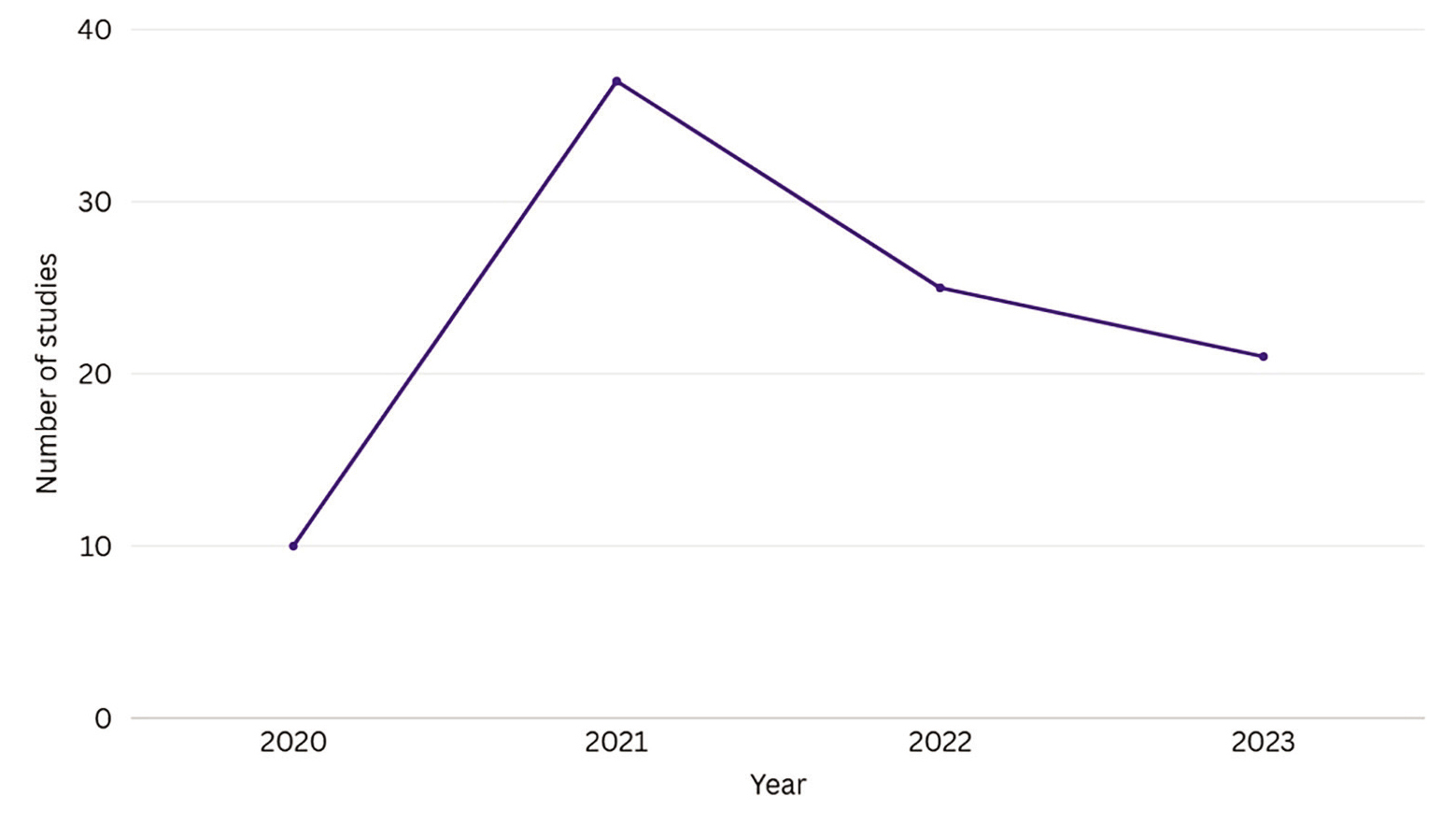
Figure 1. The PRISMA flowchart of the literature search
Ethical Considerations
This study has been approved by the Ethics Committee of Shahid Beheshti University of Medical Sciences with the code of: IR.SBMU.SME.REC.1402.061.
Results
Selection of Studies
In accordance with the PRISMA guidelines, Figure 2 displays the literature search process. Initially, 4,559 potential records were identified via electronic databases. Following the removal of duplicates, 2757 records remained. Next, 2023 records were excluded after screening the titles and abstracts. Eventually, 95 studies were included in this systematic scoping review.
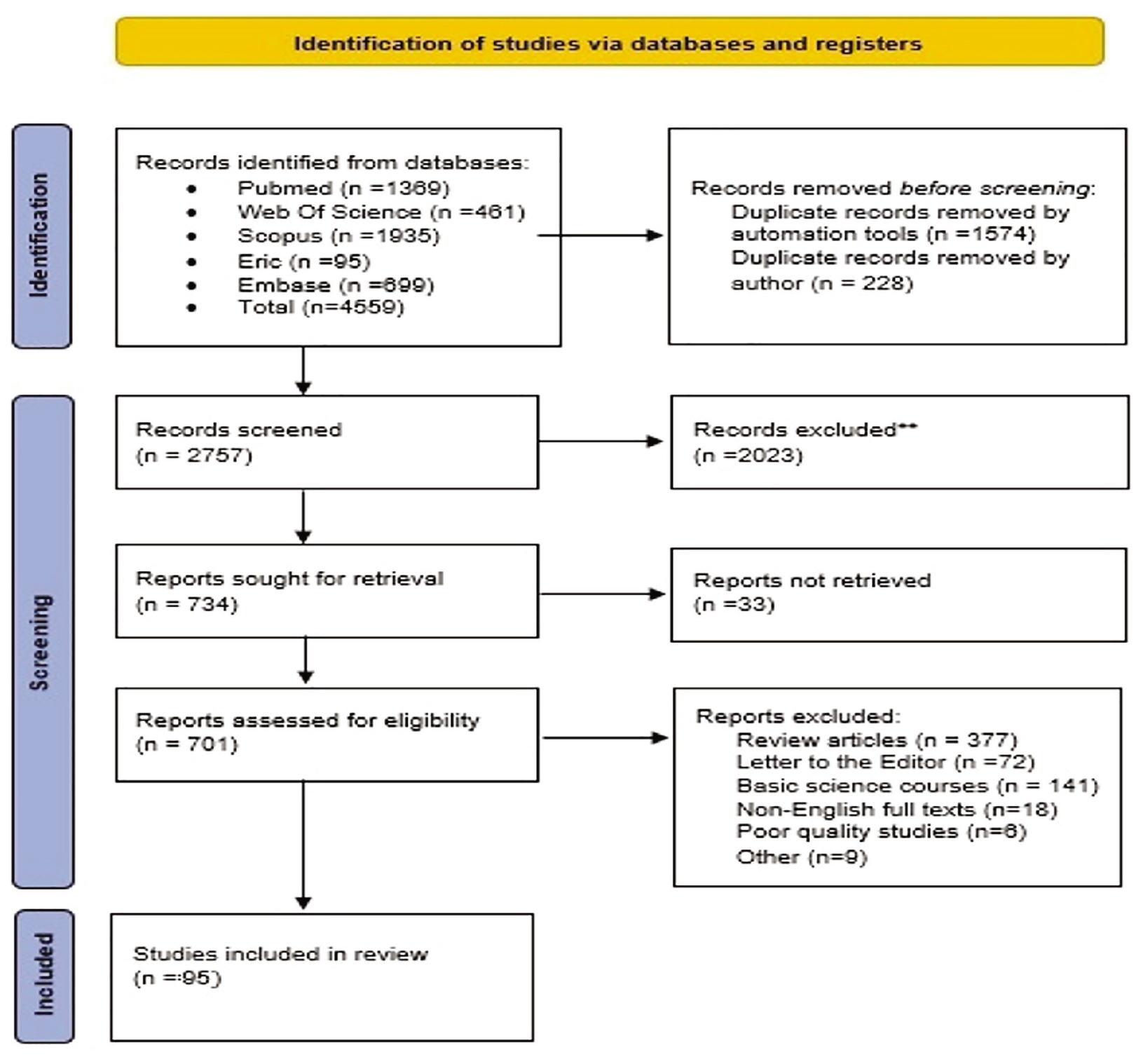
Figure 2. The distribution map shows the number of published articles worldwide for different countries. Of the 95 articles included, 33 countries participated, and the number of articles per country ranged between 1 and 27
Characteristics of the Studies
Of the 95 studies included in this systematic review, 69 were cross-sectional, five were quasi-experimental, three were randomized controlled trials, and 1 was a cohort design. In total, 33 countries participated in the 95 articles that were included. The number of countries per article ranged from 1 to 28. The distribution map of published articles worldwide for countries is depicted in Figures 2, 3. Most of the included articles (n=39) were published in 2021, and there has been a descending trend in the number of included articles over the next few years (Figure 1). Forty-five studies focused on medical students, 22 dealt with residents and fellows, 13 researched nursing students, and eight examined pharmacy students (Figure 4). Also, Zoom was the most utilized platform for E-learning, reported in 37 studies, followed by 14 studies using Google Classroom, Meet or Form, and nine studies using the Microsoft Teams platform.
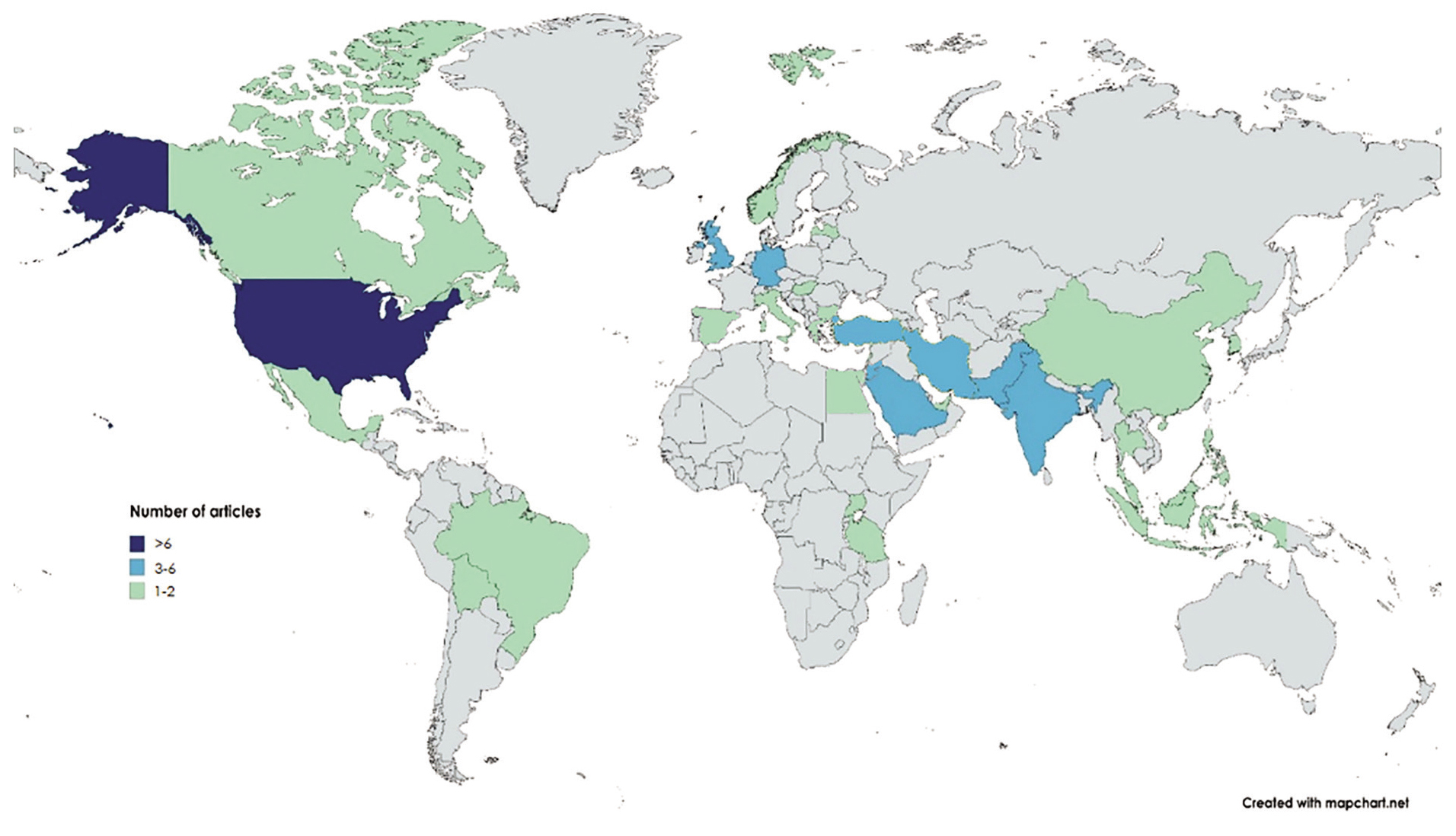
Figure 3. The number of articles included by year of publication
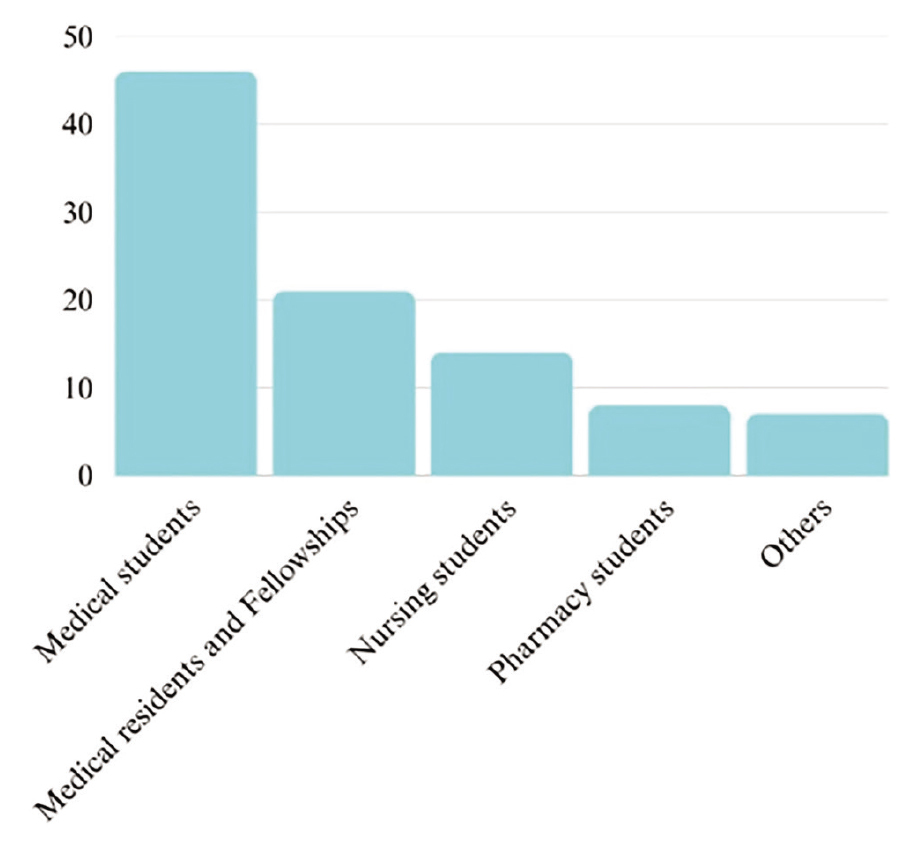
Figure 4. Bar chart for the number of included studies based on participants’ fields
Quality Assessment
The most systematic bias in the cross-sectional studies was failing to address potential bias sources and how to handle them. Moreover, inadequate follow-up and lack of multiple measurements were the most systematic biases in quasi-experimental studies. All randomized controlled studies were of fair quality owing to the nature of the educational interventional studies, which made blinding the participants and assessors difficult. At last, not addressing the researcher’s influence on the research was the major systematic bias for qualitative studies.
Inter-rater reliability
Based on our analysis of the categories of codes (themes), the Kappa was 0.889, showing almost perfect agreement.
Synthesized Findings
In addressing the primary research question, “What are the main challenges healthcare students are faced with in E-learning-based practical courses during the pandemic and beyond?”, this systematic scoping review reveals 12 themes to be observed, which were identified through the thematic analysis of the included studies and categorized based on the ADDIE model ( 18 ) (Figure 5).
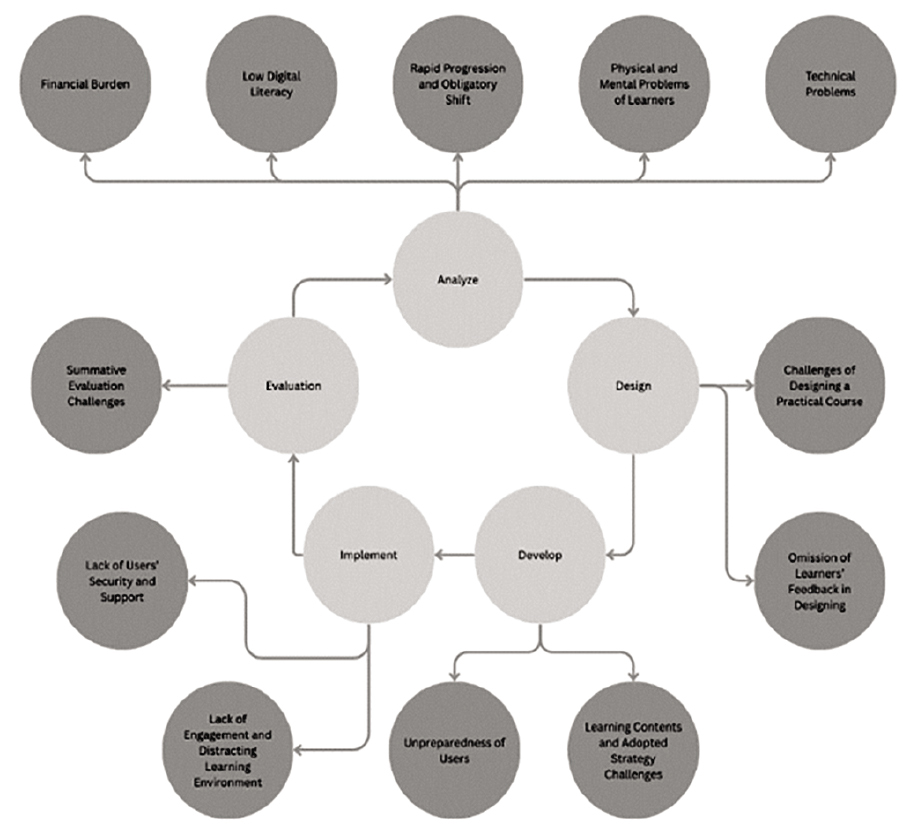
Figure 5. ADDIE model illustration combined with extracted themes
The reason for choosing this instructional model for categorizing themes has been its importance in facilitating and enhancing the quality of e-learning courses. Not considering every step along the learning process may pose its own specific challenges. Also, themes and related subthemes are presented in below:
Analyze
Theme 1: Rapid Progression and Obligatory Shift
Theme 2: Physical and Mental Problems of Learners
Theme 3: Low Digital Literacy
Theme 4: Technical Problems
Theme 5: Financial Burden
Design
Theme 6: Challenges of Designing a Practical Course
Theme 7: Omission of Learners’ Feedback in Designing
Develop
Theme 8: Learning contents and Adopted Strategy Challenges
Theme 9: Unpreparedness of Users
Implement
Theme 10: Lack of engagement and Distracting Learning Environment
Theme 11: Lack of Users’ Security and Support
Evaluation
Theme 12: Summative Evaluation Challenges
Theme 1: Rapid progression and obligatory shift
The first step of the ADDIE model is the analysis step. In this step, the instructor should identify overall goals as a part of the process. Therefore, the obligatory shift to E-learning and the urgent need to remodel the curriculum owing to the lockdown during COVID-19 and reidentifying overall goals posed challenges for institutions that had not utilized E-learning in their curriculum before and lacked experience ( 19 - 22 ).
Theme 2: Physical and Mental Problems of Learners
According to the ADDIE model, targeting learners' characteristics is another essential part of the analysis step. In this regard, a study by Khalil et al. demonstrated that paying less attention to individual characteristics of learners was one of their identified challenges ( 23 ). Several studies have reported mental problems and negative emotions among the learners, including anxiety, frustration, burnout, feelings of loneliness, loss of university life, overwhelm by self-study, lack of energy, lack of confidence, and isolation ( 14 , 22 , 24 - 31 ). Moreover, gender might be a determinant of mental status. For example, the level of social anxiety was higher in young female medical students, as reported by Alsudais, et al. ( 25 ). In contrast, male pharmacy students found gamification more stressful, as reported by Badr, et al. ( 24 ). Lack of confidence in future real situations was another effect of E-learning on the mental status of learners ( 14 ). Further, the findings of three studies demonstrated eye strain, headache, and screen fatigue as a challenge for learners following E-learning courses ( 29 , 32 , 33 ). In this regard, consuming unhealthy food and loss of physical activity could also influence the physical status of learners ( 14 ).
Theme 3: Low Digital Literacy
Not only is estimation of the learners' characteristics crucial, but also their knowledge, attitudes, and skills should be assessed at the analysis step. In this regard, failure to consider low digital literacy and lack of experience or IT skills among learners, instructors, and patients may affect the quality of an E-learning course. In this context, the literature reports learners' and instructors' resistance or needing time to adopt E-learning approaches or unfamiliarity with new educational technologies ( 21 , 22 , 31 , 34 - 41 ).
Theme 4: Technical problems
As a part of the analysis step, it is important to determine what resources are required and available. In this regard, 21 studies reported that some technical and infrastructural problems might negatively affect the quality of an E-learning course, including lack of access to a good quality Internet connection and high cost of purchasing the Internet, particularly in developing countries ( 22 , 23 , 29 , 31 , 36 , 37 , 42 - 56 ). These challenges may result in unequal chances for learners in e-learning approaches ( 28 ). Ten studies also mentioned some other technical problems along E-learning courses, including access to the E-learning platforms, performing online assessments, limitations in the number of participants, as well as the collection of reports in some parts of the application ( 23 , 38 , 39 , 50 , 57 - 64 ). Moreover, technical problems related to learning equipment, including a lack of equipment, overheating, and frequent need to charge the device or virtual reality handle disinfection owing to hygienic protocols, have been reported in the literature ( 22 , 31 , 40 , 50 , 51 , 65 , 66 ). Learning Management Systems ( 3 ) also faced technical problems, such as an overload of systems or problems during upgrades ( 34 ).
Theme 5: Financial Burden
In addition to purchasing the Internet as previously mentioned, buying learning equipment, including new gadgets, smartphones, or the higher price of the initial setup for one simulator device, could also be challenging for adopting E-learning approaches by imposing a financial burden and inequalities for learners ( 28 , 29 , 33 , 40 , 67 , 68 ).
Theme 6: Challenges of Designing a Practical Course
A key factor in designing an E-learning course in the ADDIE model is the learning solution, which is provided based on learning objectives. Sixteen studies have reported that E-learning is more effective for courses where knowledge acquisition is more dominant than developing psychomotor skills in practical courses, and not necessarily suitable for all disciplines ( 22 , 28 , 29 , 31 , 41 , 46 , 56 , 61 , 62 , 65 , 69 - 76 ). For instance, learners' satisfaction with E-learning was higher in radiology, histology, pathology, and psychology courses ( 37 , 70 , 74 , 77 , 78 ). In contrast, adopting E-learning was more challenging during surgery, ophthalmology, and dentistry courses, with learners preferring face-to-face approaches ( 79 , 80 ). Note that the learners' characteristics and learning strategies play a substantial role in the effectiveness of an E-learning approach, even in the mentioned fields, which is reported to make E-learning more useful. In this regard, fresh radiology residents stated that teleconferencing negatively impacted their education more than upper-level radiology residents ( 77 ). Some studies reported that virtual reality or simulators could be an alternative to face-to-face approaches. Nevertheless, they could not develop more complex hands-on skills ( 61 , 76 ). Moreover, developing some soft skills like social skills and interviewing with patients may also be affected during virtual rotations, and the inability to contact patients freely and do a physical exam could also worsen this situation ( 28 , 29 , 38 , 81 , 82 ). Ultimately, this could raise concerns for learners about clinical experience, given the methodological challenges, suggesting that e-learning approaches may not be as professional or effective as the face-to-face method ( 14 , 23 , 28 , 30 , 31 , 39 , 56 ).
Theme 7: Omission of Learners’ Feedback in Designing
Another critical step in designing a course is testing strategies by providing learners' feedback during design based on the ADDIE model. To illustrate, two studies reported that learners did not have enough time to study for several reasons, including their other clinical responsibilities ( 31 , 53 , 83 , 84 ). Further, some learners found their E-learning course time-intensive ( 85 ). Several studies also reported that different time zones may cause challenges in some national and international courses that adopt synchronous approaches ( 75 , 84 , 86 ). A student-led curriculum could be advantageous for using students' opinions, but it might cause challenges due to the high turnover of students who complete the course every semester and the lack of clinical knowledge to identify their needs ( 87 ).
Theme 8: Learning Contents and Adopted Strategy Challenges
The development step deals with determining the way of organizing learning content or activities that the instructor and learner should do. Further, answering a question like "What media should I use when teaching?" is another example of considering this step. In this respect, negative perceptions about distance learning, owing to the limitations of this method and the lack of personalized learning, have been reported by Ahmed, et al. ( 28 ). Moreover, not using standard content, quality of learning materials, including audio-visual features, cognitive overload, and structural incoherence, were the significant challenges reported in the literature. For instance, low-quality image, audio, and video learning content, as well as a limited field of view during live streaming, may negatively influence the student’s learning process ( 14 , 37 , 47 , 52 , 55 , 82 , 88 , 89 ). In this regard, multiple departures from reality in the videos, use of a 2D interface for teaching a complex action, lesser accuracy of simulation provided images, and having limitations to develop more complex cases were the drawbacks for simulation-based approaches ( 52 , 67 , 73 , 76 ). Besides, it is important to note that considering the limitations for the number of participants in simulation-based approaches is critical ( 76 , 90 ).
Compression of information and excessive attention to details when providing learning materials may be the main reason for cognitive overload, which has been addressed among literature ( 91 - 94 ). Nevertheless, adopting novel approaches may cause a lack of available resources. For instance, a limited number of scan model has been reported as a drawback by Nix, et al. ( 84 ). Some studies compared the students’ satisfaction or effectiveness of different approaches and stated that students’ channels, TedTalks, Zoom breakout rooms, case studies, role model approaches, and adopting national modules were less effective than other E-learning methods ( 78 , 95 , 96 ). Moreover, repetition of information and disparate weightage to the core disciplines were reported as a structural incoherence by Rana et al. in ophthalmology webinars ( 93 ).
Theme 9: Unpreparedness of Users
Briefing information about the course is another important part of development step before implementing the learning solution. Absence of briefing information or planning for presentations may confuse learners about how to achieve learning objectives and what material to focus on ( 55 , 82 , 93 , 97 ). Use of complex platforms without instructing tutorials to users may disrupt the learning process. For instance, Harrel, et al. reported that the video submission format in the course was shifted from Google Drive to WhatsApp owing to the complexity of the platform ( 83 ).
Theme 10: Lack of engagement and distracting learning environment
At the implementation step of the ADDIE model, the importance of considering the learners’ engagement with learning content and motivation is highlighted. Studies reported the lack of learning engagement or adherence as one of the drawbacks of implementing E-learning approaches ( 40 , 63 , 98 , 99 ). Low participation of learners during live sessions by turning the camera off, muting the microphone (etiquette issues), emailing and browsing on the Internet, or doing daily tasks during the class may affect the course quality ( 44 , 45 , 53 , 74 , 98 ). Postponing assignments by learners, loss of motivation, and finally abandonment of studies have also been reported ( 14 , 22 , 41 , 82 ). Moreover, inadequate opportunities for mentorship, collaboration ( 28 , 43 , 86 ), and learners’ interaction with peers, instructors, patients and in general social interaction have also been reported by fifteen studies ( 14 , 22 , 28 , 29 , 31 , 32 , 38 , 43 , 54 - 56 , 65 , 69 , 82 , 86 , 90 , 93 , 94 , 98 ). Nevertheless, E-learning platforms provide some features to enhance engagement, including breakout rooms, polls, or smart boards, but some institutions have been reported not to apply these features frequently ( 100 ). Despite several studies adopting some strategies, including mandatory attendance and obligatory turning on cameras and microphones, these strategies resulted in elevated anxiety levels of learners. They neglected their privacy concerns ( 101 , 102 ). Further, family members, having pets, the home environment, and several other factors have been identified as distracting elements and causes of inequity among learners owing to a lack of a proper learning environment at home or in places other than classrooms ( 14 , 22 , 29 , 31 , 44 , 54 , 82 ). Also, Albert, et al. reported that the ability to synchronously look up and share information when participating in the session through the team room reduced distractions for learners ( 100 ). Finally, Romli, et al. stated that students lost their attention during the class due to the existence of backup recordings ( 29 ).
Theme 11: Lack of Users’ Security and Support
Lack of support was one of the challenges stated by learners, which could take place whenever the instructor or an institution's educational staff pay less attention to supporting learners or training facilitators along the implementation step of the ADDIE model. Getting help whenever a learner does not know something or a technical issue occurs and providing timely feedback by the instructor have been reported to have been missed ( 14 , 31 , 43 , 49 , 54 , 55 , 74 , 82 ). Moreover, assurance of candidate identity and security of learners during the E-learning courses was reported to be challenging in some of the included studies ( 28 , 37 , 50 , 103 ). There are also professional and information governance concerns in online virtual rotations, as the contents of online consultations could be shared with unrelated third parties, such as family members of learners, who may overhear the session ( 38 ).
Theme 12: Summative Evaluation Challenges
Implementing summative evaluation at different levels, such as perception, knowledge acquisition, and performance, is essential for the ADDIE model evaluation. One study claimed that learners had hesitation about the usefulness of E-learning in minimizing inequalities and being as valuable as traditional degrees ( 104 ). Negative perceptions about security, such as data protection and the prevention of cheating ( 14 , 39 , 48 , 57 , 105 , 106 ), as well as the validity of exams (e.g., congruence of the online exam format and adapting them to students’ situation, holding exams at night and impossibility to go back to questions of exams) ( 22 , 24 , 28 , 29 , 39 , 55 , 57 , 106 ) were remarkable. For instance, in a study by Eurboonyanun, et al., an online open-book exam was adopted to avoid cheating. The results indicated that students preferred traditional closed-book exams ( 107 ). Time lost when trying to log in to the exam platform, technical problems or those related to connection to the Internet and limited exam time have been reported as challenges of online exam; the students somehow found this approach more stressful ( 22 , 24 , 31 , 38 , 45 , 49 , 106 ). Finally, performance assessment is also challenging given the limitations of an online assessment. In other words, OSCE is one of the popular strategies employed for assessing learners' performance. Designing a well-ordered OSCE is complex, and it may have weaknesses in assessing soft skills. For instance, working under close observation and dealing with this pressure, or assessing student anxiety by evaluating distracting behaviors such as leg tapping, is largely missed during online assessments ( 48 , 108 ).
Disaggregation of findings by gender, clinical disciplines and economic context
Studies on medical students, residents, fellowships, and nursing students claimed a larger proportion of included studies and one of the important different challenges with other clinical disciplines such as dentistry or pharmacy was students' concerns about their clinical competency. Moreover, mental problems are more reported in medical students and nursing students. Gender might be a determinant of mental status. Two studies reported a statistically significant difference in the level of anxiety between genders. While the level of social anxiety was reported to be higher in young female medical students, by Alsudais, et al. ( 25 ), Badr, et al. reported that male pharmacy students found gamification more stressful ( 24 ). One of the challenges specific to medical residents and fellowships was structural incoherence in their courses. For example, providing excessive details and information, heterogeneity of core content, and repetition of learning content along the course have been noted ( 84 , 93 , 94 ). In the economic context, most LMICs have used simpler E-learning methods and focused on technical problems as well as financial burdens (Themes 4 and 5) rather than examining the challenges of using more complex E-learning methods, such as simulations, which have been undertaken in the USA, Canada, and Indonesia ( 47 , 61 , 68 , 69 , 73 , 76 ). This might be owing to a lack of infrastructure and a shortage of budget that pushes institutions in the LMICs to adopt simpler methods such as using video-recorded classes, online lectures and further report these methods' challenges.
Possible solutions or opportunities based on the ADDIE model
For answering the secondary question, "What are the possible solutions for each challenge based on the literature?", the possible opportunities or solutions that are mentioned for these challenges in the literature are categorized based on the ADDIE model and stated below:
In the first step, it is crucial to analyze the instructional issue and the learners ( 109 ). In this regard, rapid progression and obligatory shift from a traditional curriculum to an E-learning curriculum was identified as one of the drawbacks. Grafton-Clarke, et al., in a systematic review study, reported that the lack of standardized telemedicine curricula, owing to the rapid shift, affected the quality of the courses ( 110 ). Thus, it is necessary to use E-learning as an alternative to live education and have prepared strategies to deal with emergency shifts to E-learning methods ( 10 ). Consideration of the characteristics of learners, including possible mental and physical problems or digital literacy besides gender differences, is also an important step when analyzing the course. There are controversies about readiness for E-learning among healthcare students based on gender. For instance, female medical and dental students in Pakistan had a more positive readiness response toward E-learning ( 111 ). In contrast, in another study, male students revealed significantly higher readiness for remote learning. Moreover, some other studies show no gender differences in E-learning readiness ( 112 ). Even the grade of students or marital status could play a factor that affects mental health, whereby first-year students or single students may experience higher levels of anxiety ( 113 , 114 ). Thus, in the physical problems area, body aches were reported along the E-learning process ( 115 ), and screen fatigue is also a reported physical issue in this study. To deal with this issue, prolonged time should be avoided on video calls and short intervals should be considered between them; this may also reduce the learners’ anxiety ( 116 ). Enhancing digital literacy for instructors, learners, or even patients (when adopting virtual rotations or clinics) should be considered before initiating the course to reduce resistance by familiarizing them with new technologies and methods ( 21 , 34 - 37 ). Note that students may accept new technology more than faculty members as a substitute for traditional classroom teaching ( 117 ). Consideration of available infrastructure and related technical issues, or their financial burden, is critical for enhancing learners’ satisfaction. In line with the results of our study, several studies undertaken in developing countries, including Iraq, Lebanon, Libya, and Namibia, reported poor Internet connection as a major drawback for E-learning; possibly asynchronous approaches such as explanatory downloadable videos could be a reasonable alternative for dealing with these problems ( 118 - 121 ). Further, Abbasi et al. reported that E-learning satisfaction levels were better among developed countries compared to developing countries among healthcare students and recommended more blended approaches for healthcare student education ( 122 ).
In the design step, one of the most critical challenges for adopting E-learning as an instructional method for healthcare students is developing hands-on skills. The results of this study indicated that E-learning might have weaknesses in developing soft skills, such as interviewing with patients, and hard skills like performing a physical exam or performing a complex procedure, despite using simulations or VR-based methodologies. To deal with this issue, relying on blended learning approaches, especially for courses that need the development of psychomotor skills like surgery, could be beneficial ( 122 ). Emphasis on learners' feedback when designing the E-learning course also provides valuable information about potential problems that may arise. For instance, providing too much content in a limited time, not considering different time zones when adopting synchronous learning strategies, or the workload of learners when designing the course are defined in this study, which were missed by instructors.
In the development step, when developing learning contents, it is crucial to consider the limitations of the adopted strategy, validate and revise drafts, or even conduct a pilot test ( 18 ). Table 2 summarizes the points to be observed in the development of each E-learning and online assessment methods mentioned in the included studies.
| E-Learning /Online Assessment Method | Points to be observed in the implantation |
|---|---|
| Asynchronous online learning and LMS | • Quality of audio and visual features |
| • Enhancing interaction and collaboration | |
| • Possible technical problems like LMS overload | |
| • Unfamiliarity with platform | |
| • Lack of practicing hands-on skills | |
| E-exam | • Security |
| • An appropriate time for the examinee | |
| • Technical problems for login in the platform and during exams | |
| • Lack of assessing hands-on skills and anxiety of examinee | |
| Gamification | • Increased cognitive overload |
| • Managing the anxiety of learners | |
| Mobile learning | • Quality of audio and visual features |
| • Cost | |
| • Enhancing interaction and collaboration | |
| • Technical problems of the platform | |
| Tele-simulation | • Departure from reality and lesser accuracy |
| • Quality of audio and visual features | |
| • Need for training learners before the session | |
| • Cost | |
| • Having limitations for the number of participants | |
| • Unfamiliarity with platform | |
| • Limitations for developing complex hands-on skills | |
| • Enhancing interaction and collaboration | |
| Virtual patients and rotations | • Availability of access to medical reports |
| • Rotation organization | |
| • Low digital literacy of patients | |
| Virtual reality | • Having access to the platform or running it remotely |
| • Disinfection of equipment | |
| • Recharging and overheating of the device | |
| • Cost | |
| • Limitations for developing complex hands-on skills | |
| Teleconference and live streaming | • Eye strain |
| • Technical problems | |
| • Enhancing interaction and collaboration | |
| • Quality of audio and visual features | |
| • Limited field of view | |
| • Lack of usage of features like hand rise, polls, and breakout rooms | |
| • Etiquette problems, including (turning the camera off or being mute) |
It is also necessary to consider preparing learners by holding briefing sessions before the main course, especially when the course relies on more complex platforms or methods, or the objectives of the course are unclear and may confuse the learners ( 83 , 93 , 97 ).
In the implementation step, a lack of engagement, interaction, and collaboration, besides increasing distraction, could affect the quality of an E-learning course. Instructors could enhance engagement and interaction by applying different features of platforms (i.e., polls, hand raises, coffee breaks) as well as by adopting self-regulated learning strategies to reduce digital distraction ( 100 , 123 ). Nevertheless, the use of social media such as Facebook, WhatsApp, and Instagram as an online learning tool may promote interaction, collaboration, and sharing of academic sources or materials. On the other hand, easy distraction from learning content, lack of professionalism, and data security concerns could be significant drawbacks of this method ( 103 , 124 ).
The results of this study also demonstrated that some studies missed learners' feedback after implementing the course. To deal with this issue, adopting synchronous or mixed approaches may enhance the opportunity to communicate directly with the instructor and receive quick feedback compared to asynchronous approaches ( 125 ). A secure learning and assessment environment is also necessary for an E-learning course. Syed et al. reported that around 60% of students observed cybersecurity as a concerning issue for accepting E-learning technologies ( 126 ).
In the evaluation step, negative perceptions of students about online assessment, as mentioned previously, could challenge the assessors. To deal with this issue, employing online exam proctoring technologies, reducing the score portion of mid-semester and end-of-semester exams from the students’ total score, applying unique exams for each student, utilizing online interviews after the exams for verification, and using online OSCE exams have been reported in the literature ( 127 ). Every method has its advantages and disadvantages; for example, online OSCE can reduce cheating, but it should be noted that it cannot be a complete alternative to face-to-face assessment, owing to a lack of evaluation of practical skills ( 48 , 128 ). The results of this study indicated that students might experience stress during online exams due to technical problems or navigation modes. Therefore, using robust exam platforms, conducting multiple trial runs, gathering stakeholder feedback, or holding remote mock E-exams could be beneficial ( 50 , 129 ).
Discussion
This study is the first scoping review to address E-learning challenges during the COVID-19 pandemic and beyond from the perspective of healthcare students during practical courses. The investigation of 95 studies included from 33 countries indicated 123 codes categorized into 12 themes and 35 subthemes.
Based on the ADDIE model, at the analysis step, five themes were identified: Rapid progression and obligatory shift, Physical and mental problems of learners, Low digital literacy, Technical problems, and Financial burden reported in the literature. In this regard, four other similar studies underscored the rapid and obligatory shift to E-learning as a significant challenge, especially for institutions unprepared for such a transition ( 130 - 134 ). Moreover, Koh, et al. ( 135 ) conducted a systematic review study, which highlighted the lack of consistent integration of E-learning in higher education before the pandemic, resulting in emergency remote teaching rather than purposive E-learning design. Likewise, Söderlund, et al. ( 136 ) emphasized the challenges of transitioning from face-to-face into E-learning formats, indicating the unpreparedness of institutions and the need for pedagogical adaptation. This abrupt change worsens when infrastructural and technical deficiencies exist, especially in developing countries, where poor Internet connectivity and lack of access to digital devices are substantial barriers ( 131 , 132 ). Note that most of the included studies reporting technical problems and financial burden had been carried out in LMICs. These findings are in line with those of Ionescu, et al. ( 137 ). However, our study expanded technical problems by detailing specific issues, such as E-learning platform overload and equipment disinfection, which were not addressed in other articles. Further, although financial burdens such as the cost of Internet and equipment were mentioned in the literature ( 130 , 131 , 133 , 137 , 138 ); our results provided more details about these expenses, such as the high setup costs for simulators.
Another theme related to the rapid and obligatory shift to E-learning is the mental problems of learners highlighted by Al-Teete, et al. ( 139 ), who focused more on educator stress due to rapid shifts to E-learning in their scoping review. Mental and physical health issues among learners, such as anxiety, isolation, and screen fatigue, were consistently reported across similar studies ( 130 - 133 , 135 , 137 ). Nevertheless, while our results highlighted gender differences in mental health impacts, the other studies have not explored this aspect in depth.
Low digital literacy is another widely stated challenge across studies. Our findings are in the same line with Alfaleh, et al. ( 130 ), who noted a lack of motivation as well as struggles with user-unfriendly platforms among nurses. In the same vein, Ionescu, et al. ( 137 ) highlighted this issue in LMICs. Other related subthemes, such as resistance to technology, unfamiliarity with E-learning platforms, as well as themes including User Unpreparedness (Theme 9), were also stated by Zarei and Mohammadi, along with Santos, et al. ( 131 , 133 ).
At the design step, the Challenges of Designing a Practical Course were reported as a consistent challenge, especially in clinical and hands-on disciplines such as nursing, dentistry, and surgery in literature. Our study and other similar studies ( 130 , 138 , 139 ) found that educators and students viewed E-learning as inadequate for developing clinical competencies, often preferring blended or traditional methods. While alternative methods such as virtual reality and simulators were proposed ( 132 , 133 ), their constraints in replicating complex skills were approved. There were divergent perspectives on E-learning methods substitutes; Koh and Daniel ( 135 ) reported mixed success in replacing practical training with theory, and Söderlund, et al. ( 136 ) noted occasional equality with traditional approaches despite our study emphasizing persistent gaps. Ionescu, et al. ( 137 ) further highlighted systemic shortcomings, such as the lack of complementary E-consultation tools, rather than focusing solely on skill-based gaps.
At the development and implementation steps, low engagement owing to distractions, lack of interaction, and learner unpreparedness were consistently noted across studies ( 130 , 135 , 137 ), mirroring our findings on structural incoherence (Learning Contents and Adopted Strategy Challenges theme) as well as disruptive home environments. Challenges such as the Omission of Learners’ Feedback in Designing (Theme 7), cognitively overloaded materials (Theme 8), and passive participation (e.g., cameras-off culture) were also stated by a similar systematic review study ( 135 ). Nevertheless, there are some controversies about engagement in E-learning approaches. While Söderlund, et al.’s ( 136 ) results were consistent with our findings, emphasizing engagement as a barrier, Alfaleh, et al. and Santos, et al. ( 130 , 133 ) reported potential benefits, such as self-directed learning with user-friendly platforms or positive attitudes toward specific tools. Likewise, Marawa’a ( 138 ) found that blended learning mitigated engagement issues, suggesting that the adopted strategy shapes outcomes.
At the evaluation step, Summative Evaluation Challenges emerged as a point of controversy across studies. While Alfaleh, et al. and Ionescu, et al. ( 130 , 137 ) examined assessment issues, our study provided critical insights into exam security concerns, validity gaps in online evaluations, and strong student preferences for traditional methods. These findings contrast with Santos et al.'s study, which had a more optimistic view on specific electronic assessment tools ( 133 ). These contradictions extended to implementation practices. Koh, et al. ( 135 ) reported mixed outcomes with open-book exams, while the literature highlighted persistent challenges on exam integrity and reliable performance measurement in online environments. These findings indicate an urgent need for institutional reforms addressing digital literacy, equitable access, and pedagogical innovation to ensure sustainable e-learning models beyond pandemic-era adaptations ( 135 , 136 ).
The bottom line is that the reviewed similar literature consistently confirms the challenges identified in our study, including the Rapid Progression and Obligatory Shift to E-learning, Technical Problems, Lack of Engagement and Distracting Learning Environment, and Mental Problems of Learners. Nevertheless, our research provides distinctive value through its comprehensive analysis of gender-specific disparities, detailed examination of practical course limitations (particularly in healthcare education), and in-depth assessment of evaluation challenges. Whereas studies such as Ionescu, et al. ( 137 ) focused specifically on LMIC contexts, and Alfaleh, et al. ( 130 ) maintained a broader perspective, these variations in emphasis collectively highlight the need for context-sensitive solutions. The findings reflect the necessity for approaches addressing: 1) developing country constraints, 2) hands-on discipline requirements, and 3) institution-specific barriers, which ultimately advocate for a more delicate, multidimensional framework to understand and address E-learning challenges across different educational settings.
Limitations
There is a risk of missing essential studies despite the expert team's evaluation of the search process, including the restriction to English-language articles and the exclusion of grey articles. Further, focusing only on English-language articles may cause increased emphasis on Western practices, especially since a vast majority of included articles were from the USA, which may limit the findings in this context and miss the differences in sociocultural, educational, and healthcare factors.
The exclusion of non-healthcare settings may have constrained our analysis of the conceptualization of the phenomenon. Although independent team members conducted a thematic analysis to enhance data credibility and reliability, bias cannot be eliminated. A key concern is the potential conflation of terms and practices associated with the challenges studied.
Conclusions
The findings of this study presented challenges of E-learning after the pandemic and provided practical guidelines to enhance E-learning quality in terms of medical sciences education in the context of practical courses. Despite a vast majority of literature highlighting the effectiveness and advantages of E-learning courses, it is essential to design a well-ordered E-learning course and online assessment based on estimated challenges. The results of this study highlighted that E-learning courses may have weaknesses in engagement, interaction, and developing practical skills, as well as their evaluation, even in well-ordered E-learning courses. Thus, the use of blended learning approaches is recommended, especially for underdeveloped countries that may have infrastructure issues or development and assessment of complex practical skills in medical institutions. Further, the use of instructional models, like the ADDIE model, is strongly recommended throughout the whole learning process to forecast upcoming challenges and prevent them to increase the quality of an E-learning course.
Recommendations for further research
It is suggested that the subsequent studies of each theme identified in this study should be examined more precisely with a systematic review approach. Studies can also be undertaken on the presences of differences based on gender or E-learning method in the level of anxiety and mental health. It is also crucial to more deeply explore the optimal methods of blended learning to reduce the identified challenges. Also, if possible, it is suggested that non-English language articles and reports and descriptive studies should be utilized for a more comprehensive conceptualization. Most included studies enrolled medical students, medical residents, and nursing students as the target population; thus, more original studies on other healthcare students, including dentistry, pharmacy, midwifery, are recommended.
Acknowledgements
We would like to thank the authors of included articles.
Conflict of Interest
The authors have no conflicts of interest to declare.
Authors’ contribution
M.KH edited the study protocol and final manuscript; M.Y and F.SH screened records for eligibility, performed data extraction and wrote the manuscript.
Declaration of AI
No artificial intelligence (AI) tools were used.
References
- Sarwar H, Akhtar H, Naeem MM, Khan JA, Waraich K, Shabbir S, et al. Self-reported effectiveness of e-Learning classes during COVID-19 pandemic: A nation-wide survey of Pakistani undergraduate dentistry students. European journal of dentistry. 2020; 14(S 01):S34-S43.
- Dyche L. Interpersonal skill in medicine: the essential partner of verbal communication. Journal of general internal medicine. 2007; 22:1035-9.
- Olmstead C. Using technology to increase parent involvement in schools. TechTrends. 2013; 57(6):28-37.
- Cook DA, Levinson AJ, Garside S, Dupras DM, Erwin PJ, Montori VM. Internet-based learning in the health professions: a meta-analysis. JAMA. 2008; 300(10):1181-96.
- Sajed AN, Amgain K. Coronavirus disease (COVID-19) outbreak and the strategy for prevention. Europasian Journal of Medical Sciences. 2020; 2(1):1-3.
- Noor S, Isa FM, Mazhar FF. Online teaching practices during the COVID-19 pandemic. Educational Process: International Journal. 2020; 9(3):169-84.
- Ahmed MU, Hussain S, Farid S. Factors influencing the adoption of e-learning in an open and distance learning institution of Pakistan. Electronic Journal of e-Learning. 2018; 16(2):148-58.
- Dawson P, Henderson M, Mahoney P, Phillips M, Ryan T, Boud D, et al. What makes for effective feedback: Staff and student perspectives. Assessment & Evaluation in Higher Education. 2019; 44(1):25-36.
- Nepal S, Atreya A, Menezes RG, Joshi RR. Students' Perspective on Online Medical Education Amidst the COVID-19 Pandemic in Nepal. Journal of Nepal Health Research Council. 2020; 18(3):551-5.
- Di Giacomo P, Di Paolo C. Covid-19 And Dental Distance-Based Education: students' perceptions in an Italian University. BMC medical education. 2021; 21(1):414.
- Alam M, Al-Mamun M, Pramanik MNH, Jahan I, Khan MR, Dishi TT, et al. Paradigm shifting of education system during COVID-19 pandemic: A qualitative study on education components. Heliyon. 2022; 8(12):e11927.
- Regmi K, Jones L. A systematic review of the factors – enablers and barriers – affecting e-learning in health sciences education. BMC Medical Education. 2020; 20(1):91.
- O’Doherty D, Dromey M, Lougheed J, Hannigan A, Last J, McGrath D. Barriers and solutions to online learning in medical education – an integrative review. BMC Medical Education. 2018; 18(1):130.
- Blake H, Brewer A, Chouliara N. “We’re Not Going to Be as Prepared”: A Qualitative Study of Healthcare Trainees’ Experiences after One Year of the COVID-19 Pandemic. International journal of environmental research and public health. 2023; 20(5):4255.
- Tricco AC, Lillie E, Zarin W, O'Brien KK, Colquhoun H, Levac D, et al. PRISMA extension for scoping reviews (PRISMA-ScR): checklist and explanation. Annals of internal medicine. 2018; 169(7):467-73.
- Ritchie J, Lewis J, Nicholls CM, Ormston R. Qualitative research practice. London: SAGE; 2003.
- Braun V, Clarke V. Using thematic analysis in psychology. Qualitative Research in Psychology. 2006; 3(2):77-101.
- Branch R. Instructional design: The ADDIE approach. USA: Springer; 2009.
- Alsayed AR, Hasoun L, Al-Dulaimi A, Abuawad A, Basheti I, Khader HA, et al. Evaluation of the effectiveness of educational medical informatics tutorial on improving pharmacy students’ knowledge and skills about the clinical problem-solving process. Pharmacy Practice. 2022; 20(2):2652.
- Amin HAA, Khalil H, Khaled D, Mahdi M, Fathelbab M, Gaber DA. Case item creation and video case presentation as summative assessment tools for distance learning in the pandemic era. Medical journal, Armed Forces India. 2021; 77(Suppl 2):S466-s74.
- Zottmann JM, Horrer A, Chouchane A, Huber J, Heuser S, Iwaki L, et al. Isn't here just there without a "t" - to what extent can digital Clinical Case Discussions compensate for the absence of face-to-face teaching? GMS journal for medical education. 2020; 37(7):Doc99.
- Kartsoni E, Bakalis N, Markakis G, Zografakis-Sfakianakis M, Patelarou E, Patelarou A. Distance Learning in Nursing Education during the COVID-19 Pandemic: Psychosocial Impact for the Greek Nursing Students-A Qualitative Approach. Healthcare (Basel, Switzerland). 2023; 11(8):1178.
- Khalil R, Mansour AE, Fadda WA, Almisnid K, Aldamegh M, Al-Nafeesah A, et al. The sudden transition to synchronized online learning during the COVID-19 pandemic in Saudi Arabia: a qualitative study exploring medical students' perspectives. BMC medical education. 2020; 20(1):285.
- Badr AF. The Geriatric Virtual Escape Room in Pharmacy Education: Female Students Escape Significantly Faster than Male Students. Pharmacy (Basel, Switzerland). 2022; 10(2):36.
- Alsudais AS, Alghamdi AS, Alharbi AA, Alshehri AA, Alzhrani MA, Keskin S, et al. Social anxiety in E-Learning: Scale validation and socio-demographic correlation study. Education and information technologies. 2022; 27(6):8189-201.
- Brown M, Hoon AE, Edwards M, Shabu S, Okoronkwo I, Newton PM. A pragmatic evaluation of university student experience of remote digital learning during the COVID-19 pandemic, focusing on lessons learned for future practice. PloS one. 2023; 18(5):e0283742.
- Oducado RM, Estoque H. Online learning in nursing education during the COVID-19 pandemic: Stress, satisfaction, and academic performance. Journal of Nursing Practice. 2021; 4(2):143-53.
- Ahmed SA, Hegazy NN, Abdel Malak HW, Cliff Kayser W, Elrafie NM, Hassanien M, et al. Model for utilizing distance learning post COVID-19 using (PACT)™ a cross sectional qualitative study. BMC medical education. 2020; 20(1):400.
- Romli MH, Foong CC, Hong WH, Subramaniam P, Wan Yunus F. Restructuring education activities for full online learning: findings from a qualitative study with Malaysian nursing students during Covid-19 pandemic. BMC medical education. 2022; 22(1):535.
- Rood L, Tanzillo T, Madsen N. Student nurses' educational experiences during COVID-19: A qualitative study. Nurse education today. 2022; 119:105562.
- Suliman WA, Abu-Moghli FA, Khalaf I, Zumot AF, Nabolsi M. Experiences of nursing students under the unprecedented abrupt online learning format forced by the national curfew due to COVID-19: A qualitative research study. Nurse education today. 2021; 100:104829.
- Ahlers CG, Lawson V, Lee J, March C, Schultz J, Anderson K, et al. A Virtual Wellness and Learning Communities Program for Medical Students during the COVID-19 Pandemic. Southern medical journal. 2021; 114(12):807-11.
- Chandran SK, Nair SS, Vijayan SM. Logistical Aspects of Different Online Teachinglearning Methods among Medical Students during COVID-19 in a Tertiary Care Teaching Hospital, Thrissur, Southern India. Journal of Clinical and Diagnostic Research. 2021; 15(10):JC01-JC4.
- Alkhowailed MS, Rasheed Z, Shariq A, Elzainy A, El Sadik A, Alkhamiss A, et al. Digitalization plan in medical education during COVID-19 lockdown. Informatics in medicine unlocked. 2020; 20:100432.
- Chin KE, Kwon D, Gan Q, Ramalingam PX, Wistuba II, Prieto VG, et al. Transition from a standard to a hybrid on-site and remote anatomic pathology training model during the coronavirus disease 2019 (covid-19) pandemic. Archives of Pathology and Laboratory Medicine. 2021; 145(1):22-31.
- Olum R, Atulinda L, Kigozi E, Nassozi DR, Mulekwa A, Bongomin F, et al. Medical Education and E-Learning During COVID-19 Pandemic: Awareness, Attitudes, Preferences, and Barriers Among Undergraduate Medicine and Nursing Students at Makerere University, Uganda. Journal of medical education and curricular development. 2020; 7:2382120520973212.
- Tang PY, New LM, Leow WQ. Zooming for cells: Tele-education of histopathology residents during the COVID-19 pandemic. Proceedings of Singapore Healthcare. 2021; 30(1):71-5.
- Darnton R, Lopez T, Anil M, Ferdinand J, Jenkins M. Medical students consulting from home: A qualitative evaluation of a tool for maintaining student exposure to patients during lockdown. Med Teach. 2021; 43(2):160-7.
- Mojarad FA, Hesamzadeh A, Yaghoubi T. Exploring challenges and facilitators to E-learning based Education of nursing students during Covid-19 pandemic: a qualitative study. BMC nursing. 2023; 22(1):278.
- Moradi Y, Baghaei R, Feizi A, Hajialibeigloo R. Challenges of the sudden shift to asynchronous virtual education in nursing education during the COVID-19 pandemic: A qualitative study. Nursing and Midwifery Studies. 2022; 11(1):44-50.
- Reinhart A, Malzkorn B, Döing C, Beyer I, Junger J, Bosse HM. Undergraduate medical education amid COVID-19: a qualitative analysis of enablers and barriers to acquiring competencies in distant learning using focus groups. Medical education online. 2021; 26(1):1940765.
- Zulkifly HH, Zaki IAH, Karuppannan M, Noordin ZM. Virtual OSCE: Experience and challenges with a large cohort of pharmacy students. Pharmacy Education. 2022; 22(1):23-32.
- Ibrahim G, Luzinge H, Kapanda G. Teaching and learning experiences in medical education during the COVID-19 pandemic: the case of Kilimanjaro Christian Medical University College. Tanzania: KCMUCo; 2020.
- Arslan M, Edirne T, Emre N, Ozsahin A. Medical Students' Perceptions of Online Education during the COVID-19 Pandemic. Eurasian Journal of Family Medicine. 2023; 12(1):1-10.
- Saeed S, Kashif U, Zaki S, Samad K, Yousuf MZ, Raza M, et al. Teaching Clinical Skills Using Online Modality through Modified Peyton's Framework: An Experience from a Medical University in Pakistan. Journal of advances in medical education & professionalism. 2023; 11(1):15-23.
- Saeed S, Raza M, Kaleem S, Qureshi S, Hussain A, Aslam N, et al. Combatting with challenges in medical education during COVID-19 pandemic: A mixed-methods study on the effectiveness of e-learning in pediatric clinical clerkship of a university hospital, Pakistan. E-Learning and Digital Media. 2023; 9:20427530231156177.
- Tham AC, Himdi L, Nguyen LHP, Frenkiel S, Tewfik MA. Conducting an Endoscopic Sinus Surgery Dissection Course via Telesimulation: An Initial Experience. OTO open. 2022; 6(1):2473974x221083981.
- Wollen JT, Gee JS, Nguyen KA, Surati DD. Development of a communication-based virtual patient counseling objective structured clinical examination (OSCE) for first year student pharmacists. PEC Innovation. 2023; 3:100215.
- Abbas H, Ul Qamar M, Bashir S, Sarfraz A. Perceptions of Medical Students' about E-Learning during Covid- 19. Pakistan Journal of Medical and Health Sciences. 2022; 16(1):76-7.
- Fatima SS, Idrees R, Jabeen K, Sabzwari S, Khan S. Online assessment in undergraduate medical education: Challenges and solutions from a LMIC university. Pakistan journal of medical sciences. 2021; 37(4):945-51.
- Heo S, Moon S, Kim M, Park M, Cha WC, Son MH. An Augmented Reality-Based Guide for Mechanical Ventilator Setup: Prospective Randomized Pilot Trial. JMIR serious games. 2022; 10(3):e38433.
- Pintér ZB, Maróti P, Kopjár E, Gasz B, Duga Z, Rendeki S, et al. Effectivity of Distance Learning in the Training of Basic Surgical Skills-A Randomized Controlled Trial. Sustainability. 2022; 14(8):4727.
- Hayat AA, Keshavarzi MH, Zare S, Bazrafcan L, Rezaee R, Faghihi SA, et al. Challenges and opportunities from the COVID-19 pandemic in medical education: a qualitative study. BMC medical education. 2021; 21(1):247.
- Ropero-Padilla C, Rodriguez-Arrastia M, Martinez-Ortigosa A, Salas-Medina P, Folch Ayora A, Roman P. A gameful blended-learning experience in nursing: A qualitative focus group study. Nurse education today. 2021; 106:105109.
- Sodeify R, Habibpour Z, Akbarbegloo M. Explaining medical students' perceptions of asynchronous virtual education in the COVID-19 pandemic: A qualitative study. Journal of education and health promotion. 2022; 11:143.
- Topuz S, Sezer NY, Aker MN, Gönenç IM, Cengiz H, Korucu AE. A SWOT analysis of the opinions of midwifery students about distance education during the Covid-19 pandemic a qualitative study. Midwifery. 2021; 103:103161.
- Ziehfreund S, Reifenrath J, Wijnen-Meijer M, Welzel J, Sauter F, Wecker H, et al. Considering medical students' perception, concerns and needs for e-exam during COVID-19: a promising approach to improve subject specific e-exams. Medical education online. 2022; 27(1):2114131.
- Biermann M, Kanoun S, Davidsen T, Gray R. An Open Source Solution for "Hands-on" teaching of PET/CT to Medical Students under the COVID-19 Pandemic. Nuklearmedizin-Nuclear Medicine. 2021; 60(01):10-5.
- De Ponti R, Marazzato J, Maresca AM, Rovera F, Carcano G, Ferrario MM. Pre-graduation medical training including virtual reality during COVID-19 pandemic: a report on students' perception. BMC medical education. 2020; 20(1):332.
- Nortley MC, Bera KD, Dixon F, Warner NR, Sideso E, Darby C. Learning in the COVID-19 pandemic and beyond: development and rapid uptake of an online learning platform for vascular surgery. Annals of the Royal College of Surgeons of England. 2022; 104(7):504-9.
- Situ-LaCasse E, Acuña J, Huynh D, Amini R, Irving S, Samsel K, et al. Can ultrasound novices develop image acquisition skills after reviewing online ultrasound modules? BMC medical education. 2021; 21(1):175.
- Sivananthan A, Gueroult A, Zijlstra G, Martin G, Baheerathan A, Pratt P, et al. Using Mixed Reality Headsets to Deliver Remote Bedside Teaching During the COVID-19 Pandemic: Feasibility Trial of HoloLens 2. JMIR formative research. 2022; 6(5):e35674.
- Yu F, Wooster J, Yang T. Pharmacy students and faculty perceptions of online team-based learning due to the covid-19 pandemic. Pharmacy Education. 2021; 21(1):121-5.
- Daliri M, Majd H, Moradi A. Investigating a Newly Developed Educational Orthopedic Application for Medical Interns in a Before-after Quasi-clinical Trial Study. BMC medical education. 2021; 21(1):515.
- Aranda JP, Smith SR, Nguyen HN, Jap C, Gogineni HP. Virtual physical assessment training during the COVID-19 pandemic-student pharmacists’ performance & perceptions. Pharmacy Education. 2020; 20(2):165-73.
- Zikas P, Kateros S, Lydatakis N, Kentros M, Geronikolakis E, Kamarianakis M, et al. Virtual Reality Medical Training for COVID-19 Swab Testing and Proper Handling of Personal Protective Equipment: Development and Usability. Frontiers in Virtual Reality. 2022; 2:1.
- Huri G, Gülşen MR, Karmiş EB, Karagüven D. Cadaver versus simulator based arthroscopic training in shoulder surgery. Turkish Journal of Medical Sciences. 2021; 51(3):1179-90.
- Ramadan K, Chaiton K, Burke J, Labrakos D, Maeda A, Okrainec A. Virtual fundamentals of laparoscopic surgery (FLS) boot-camp using telesimulation: an educational solution during the COVID-19 pandemic. Surgical Endoscopy. 2023; 37(5):3926-33.
- Akingbola O. Telesim: A novel approach to medical education in a pandemic. Critical Care Medicine. 2021; 49(SUPPL 1):558.
- Alahmadi AAS. The Experience of Using Online Education in a Radiological Academic Department During the Pandemic of Corona Virus COVID-19. Journal of radiology nursing. 2023; 42(2):236-40.
- An HJ, Choi JS, Roh M, Cho HM, Choi EJ. The Korean version of the Virtual Patient Learning System Evaluation Tool: Assessment of reliability and validity. Nurse education today. 2021; 106:105093.
- Kekunnaya R, Deshmukh AV, Sheth J, Chattannavar G, Sachadeva V. Virtual bedside clinics in pediatric ophthalmology and strabismus - An innovation in education and learning. Indian journal of ophthalmology. 2022; 70(8):3129-33.
- Nguyen W, Fromer I, Remskar M, Zupfer E. Development and Implementation of Video-Recorded Simulation Scenarios to Facilitate Case-Based Learning Discussions for Medical Students' Virtual Anesthesiology Clerkship. MedEdPORTAL: the journal of teaching and learning resources. 2023; 19:11306.
- Redinger KE, Greene JD. Virtual Emergency Medicine Clerkship Curriculum during the COVID-19 Pandemic: Development, Application, and Outcomes. The western journal of emergency medicine. 2021; 22(3):792-8.
- Tawfik EA, van Alfen N, Cartwright MS, Inkpen P, Kerasnoudis A, Lieba-Samal D, et al. Virtual neuromuscular ultrasound courses during COVID-19 pandemic: Leveraging technology to enhance learning opportunities. Muscle and Nerve. 2022; 65(1):29-33.
- Wong ASK, Marwali EM, Maclaren G, Ogino M, Fraser J, Chi Keung PL, et al. ECMO simulation training during a worldwide pandemic: The role of ECMO telesimulation. Perfusion (United Kingdom). 2023; 38(5):1029-36.
- Bass RZ, Smith AD, Langston MC, Frazier MB, Tridandapani S. Trainee and Faculty Perceptions of Remote PACS Workstations and Next Steps in a Large US Academic Medical Institution. Current problems in diagnostic radiology. 2022; 51(2):146-51.
- Shan Y, Zhou X, Qi W, Liu X, Huang C. Innovations in teaching during the COVID-19 pandemic: comparisons of the impacts of different teaching approaches in psychiatric nursing on undergraduate nursing students. BMC medical education. 2023; 23(1):827.
- Yuda Handaya A, Fauzi AR, Andrew J, Hanif AS, Tjendra KR, Aditya AFK. Effectiveness of tutorial videos combined with online classes in surgical knotting course during COVID-19 pandemic: A cohort study. Annals of Medicine and Surgery. 2021; 69:102751.
- Al-Fodeh RS, Alwahadni AMS, Abu Alhaija ES, Bani-Hani T, Ali K, Daher SO, et al. Quality, Effectiveness and Outcome of Blended Learning in Dental Education during the COVID Pandemic: Prospects of a Post-Pandemic Implementation. Education Sciences. 2021; 11(12):810.
- Ganji J, Shirvani MA, Motahari-Tabari N, Tayebi T. Design, implementation and evaluation of a virtual clinical training protocol for midwifery internship in a gynecology course during COVID-19 pandemic: A semi-experimental study. Nurse education today. 2022; 111:105293.
- Beronja B, Bubnjevic T, Tasic R, Gasic M, Kulic L, Bogosavljevic I, et al. Comprehensive qualitative evaluation of the first ever full-time online course for medical students in one middle-income country. Libyan Journal of Medicine. 2023; 18(1):1.
- Harrell Shreckengost CS, Reitz A, Ludi E, Rojas Aban R, Jáuregui Paravicini L, Serrot F. Lessons learned during the COVID-19 pandemic using virtual basic laparoscopic training in Santa Cruz de la Sierra, Bolivia: effects on confidence, knowledge, and skill. Surgical Endoscopy. 2022; 36(12):9379-89.
- Nix K, Liu EL, Oh L, Duanmu Y, Fong T, Ashenburg N, et al. A Distance-Learning Approach to Point-of-Care Ultrasound Training (ADAPT): A Multi-Institutional Educational Response during the COVID-19 Pandemic. Acad Med. 2021; 96(12):1711-6.
- Margolin EJ, Kurtzman JT, Gordon RJ, Anderson CB, Badalato GM. Efficacy of an Online Blended Learning Curriculum to Improve Medical Student Urologic Education. Medical science educator. 2021; 31(6):2007-15.
- Mahajan A, El-Nazer R, Chitnis S. An Online Education Method for Movement Disorders During COVID-19: Opportunity and Experience. Movement Disorders. 2021; 36(7):1475-80.
- Chiu MZ, Gerena RG, Roll RL, Baker JM, Gomez M, Brown CM, et al. Student-led curricular approaches in medical education: the educational effects of a virtual fundamentals of COVID-19 course. BMC medical education. 2022; 22(1):158.
- Tóth D, Petrus K, Heckmann V, Simon G, Poór VS. Application of photogrammetry in forensic pathology education of medical students in response to COVID-19. Journal of forensic sciences. 2021; 66(4):1533-7.
- Wheelwright JC, Pence R, Richards B, Stroud S, Stephen R, Fix ML. Virtual Shadowing: An Effective Approach to Gaining Exposure to the Field of Emergency Medicine. Advances in medical education and practice. 2023; 14:557-61.
- Balmaks R, Auzina L, Gross IT. Remote rapid cycle deliberate practice simulation training during the COVID-19 pandemic. BMJ simulation & technology enhanced learning. 2021; 7(3):176-7.
- Dimeo SP, Astemborksi C, Smart J, Jones EL. A Virtual Escape Room versus Lecture on Infectious Disease Content: Effect on Resident Knowledge and Motivation. Western Journal of Emergency Medicine. 2022; 23(1):9-14.
- Hertling S, Hertling D, Matziolis G, Schleußner E, Loos F, Graul I. Digital teaching tools in sports medicine: A randomized control trial comparing the effectiveness of virtual seminar and virtual fishbowl teaching method in medical students. PloS one. 2022; 17(6):e0267144.
- Rana R, Kumawat D, Sahay P, Gour N, Patel S, Samanta R, et al. Perception among ophthalmologists about webinars as a method of continued medical education during COVID-19 pandemic. Indian journal of ophthalmology. 2021; 69(4):951-7.
- Bartoletta JJ, Hinchcliff K, Rhee P. Learner Preferences and Perceptions of Virtual Hand Surgery Education During the COVID-19 Pandemic. The Journal of hand surgery. 2023; 48(4):405.
- Zern NK, Yale LA, Whipple ME, Allen SM, Wood DE, Tatum RP, et al. The impact of the COVID-19 pandemic on medical student education: Implementation and outcome of a virtual general surgery curriculum. American journal of surgery. 2022; 224(1):612-6.
- Watson C, Templet T, Leigh G, Broussard L, Gillis L. Student and faculty perceptions of effectiveness of online teaching modalities. Nurse education today. 2023; 120:105651.
- Sanseau E, Lavoie M, Tay KY, Good G, Tsao S, Burns R, et al. TeleSimBox: A perceived effective alternative for experiential learning for medical student education with social distancing requirements. AEM education and training. 2021; 5(2):e10590.
- Weber W, Ahn J. COVID-19 conferences: Resident perceptions of online synchronous learning environments. Western Journal of Emergency Medicine. 2021; 22(1):115-8.
- Nguyen QBD, Starling CT, Baig IT, Koshelev MV, Nelson KC. Online dermatology curriculum experiences among US dermatology residents and faculty. Clinics in Dermatology. 2022; 40(6):788-91.
- Albert TJ, Bradley J, Starks H, Redinger J, Arundel C, Beard A, et al. Internal Medicine Residents’ Perceptions of Virtual Morning Report: a Multicenter Survey. Journal of general internal medicine. 2022; 37(6):1422-8.
- Altaf R, Kling M, Hough A, Baig J, Ball A, Goldstein J, et al. The Association Between Distance Learning, Stress Level, and Perceived Quality of Education in Medical Students After Transitioning to a Fully Online Platform. Cureus. 2022; 14(4):e24071.
- Alencar MS, Kubrusly M, de Oliveira CMC, de Aquino BOA, Viana IN, Morais PI, et al. Association of scopophobia with online learning fatigue among medical students in Brazil. BMC medical education. 2023; 23(1):221.
- Chambers J, Mistry K, Spink J, Tsigarides J, Bryant P. Online medical education using a Facebook peer-to-peer learning platform during the COVID-19 pandemic: a qualitative study exploring learner and tutor acceptability of Facebook as a learning platform. BMC medical education. 2023; 23(1):293.
- Azar AJ, Khamis AH, Naidoo N, Lindsbro M, Boukhaled JH, Gonuguntla S, et al. Design, Implementation and Evaluation of a Distance Learning Framework to Expedite Medical Education during COVID-19 pandemic: A Proof-of-Concept Study. Journal of medical education and curricular development. 2021; 8:23821205211000349.
- Rathinavelu M, Reddy YP, Uppara V, Telkar M, Reedy JL. Perception of pharmacy students towards blended pedagogy in 21st century pharmacy education. Pharma Times. 2023; 55(1):20-1.
- Wu J, Zhang R, Qiu W, Shen J, Ma J, Chai Y, et al. Impact of online closed-book examinations on medical students' pediatric exam performance and test anxiety during the coronavirus disease 2019 pandemic. Pediatric Medicine. 2021; 4:2.
- Eurboonyanun C, Wittayapairoch J, Aphinives P, Petrusa E, Gee DW, Phitayakorn R. Adaptation to Open-Book Online Examination During the COVID-19 Pandemic. Journal of surgical education. 2021; 78(3):737-9.
- Dutta AK, Goswami K, Murugayan SB, Sahoo S, Pal A, Paul C, et al. Evaluation of e-OSPE as compared to traditional OSPE: A pilot study. Biochemistry and molecular biology education : a bimonthly publication of the International Union of Biochemistry and Molecular Biology. 2021; 49(3):457-63.
- Nichols Hess A, Greer K. Designing for engagement: Using the ADDIE model to integrate high-impact practices into an online information literacy course. Communications in information literacy. 2016; 10(2):6.
- Grafton-Clarke C, Uraiby H, Gordon M, Clarke N, Rees E, Park S, et al. Pivot to online learning for adapting or continuing workplace-based clinical learning in medical education following the COVID-19 pandemic: A BEME systematic review: BEME Guide No. 70. Med Teach. 2022; 44(3):227-43.
- Anwar A, Mansoor H, Faisal D, Khan HS. E-learning amid the COVID-19 lockdown: Standpoint of medical and dental undergraduates. Pakistan journal of medical sciences. 2020; 37(1):1-6.
- Tan KM, Foong CC, Adams D, Hong WH, Lee YK, Pallath V. Remote learning readiness amidst the COVID-19 pandemic amongst undergraduate medical students. Asia Pacific Scholar. 2023; 8(4):40-5.
- Alshammari T, Alseraye S, Alqasim R, Rogowska A, Alrasheed N, Alshammari M. Examining anxiety and stress regarding virtual learning in colleges of health sciences: A cross-sectional study in the era of the COVID-19 pandemic in Saudi Arabia. Saudi pharmaceutical journal: SPJ. 2022; 30(3):256-64.
- Bacaksiz FE, Tuna R, Alan H. Nomophobia, netlessphobia, and fear of missing out in nursing students: A cross-sectional study in distance education. Nurse education today. 2022; 118:105523.
- Yaseen QB, Salah H. The impact of e-learning during COVID-19 pandemic on students' body aches in Palestine. Scientific reports. 2021; 11(1):22379.
- Fauville G, Luo M, Queiroz ACM, Bailenson JN, Hancock J. Zoom Exhaustion & Fatigue Scale. Computers in Human Behavior Reports. 2021; 4:100119.
- Alfallaj HA, Alkadhi RM, Alfuriji SN, Alfadley AA, Aleksejūnienė J. Dental students and faculty perceptions of teaching methods: Traditional classes, online virtual classes, and recorded lectures. Open Dentistry Journal. 2021; 15(1):348-56.
- Alsoufi A, Alsuyihili A, Msherghi A, Elhadi A, Atiyah H, Ashini A, et al. Impact of the COVID-19 pandemic on medical education: Medical students' knowledge, attitudes, and practices regarding electronic learning. PloS one. 2020; 15(11):e0242905.
- Ramadan RB. Knowledge and Attitude of Medical Students toward Electronic Learning during COVID-19 Pandemic. Journal of Pharmaceutical Negative Results. 2021; 12(2):37-42.
- Bou Zerdan M, Bouferraa Y, Bou Zerdan M, Al Barathie J, Khoury R. Insights of Medical Students and Graduates Toward Electronic Learning During the COVID-19 Pandemic in Lebanon: A National Cross-Sectional Study. Journal of medical education and curricular development. 2023; 10:23821205231209106.
- Kibuule D, Lates J, Ishola A, Hango E, Kalemeera F, Knott M, et al. Migration to online pharmacy education in Namibia: Successes, challenges and competence implications. Pharmacy Education. 2020; 20(2):174-82.
- Abbasi MS, Ahmed N, Sajjad B, Alshahrani A, Saeed S, Sarfaraz S, et al. E-Learning perception and satisfaction among health sciences students amid the COVID-19 pandemic. Work (Reading, Mass). 2020; 67(3):549-56.
- Wang CH, Salisbury-Glennon JD, Dai Y, Lee S, Dong J. Empowering College Students to Decrease Digital Distraction through the Use of Self-Regulated Learning Strategies. Contemporary Educational Technology. 2022; 14(4):ep388.
- Vizcaya-Moreno MF, Pérez-Cañaveras RM. Social Media Used and Teaching Methods Preferred by Generation Z Students in the Nursing Clinical Learning Environment: A Cross-Sectional Research Study. International journal of environmental research and public health. 2020; 17(21):8267.
- Barche A, Nayak V, Pandey A, Bhandarkar A, Nayak SG, Nayak K. Student perceptions towards online learning in medical education during the COVID-19 pandemic: a mixed-methods study. F1000Research. 2022; 11:979.
- Syed S, Rastogi A, Bansal A, Kumar A, Jindal A, Prakash A, et al. Future of e-Learning in Medical Education—Perception, Readiness, and Challenges in a Developing Country. Frontiers in Education. 2021; 6:1-8.
- Karizaki VM. Different approaches for reducing cheating in online assessments. Journal of medical imaging and radiation sciences. 2021; 52(4):650-1.
- Parks R, Warren P, Boyd K, Cameron H, Cumming A, Lloyd-Jones G. The Objective Structured Clinical Examination and student collusion: marks do not tell the whole truth. Journal of medical ethics. 2006; 32(12):734-8.
- Elsalem L, Al-Azzam N, Jum'ah AA, Obeidat N, Sindiani AM, Kheirallah KA. Stress and behavioral changes with remote E-exams during the Covid-19 pandemic: A cross-sectional study among undergraduates of medical sciences. Annals of Medicine and Surgery. 2020; 60:271-9.
- Alfaleh R, East L, Smith Z, Wang SY. Nurses' perspectives, attitudes and experiences related to e-learning: A systematic review. Nurse education today. 2023; 125:105800.
- Zarei S, Mohammadi S. Challenges of higher education related to e-learning in developing countries during COVID-19 spread: a review of the perspectives of students, instructors, policymakers, and ICT experts. Environmental science and pollution research. 2022; 29(57):85562-8.
- Mlinar Reljić N, Drešček Dolinar M, Štiglic G, Kmetec S, Fekonja Z, Donik B. E-Learning in Nursing and Midwifery during the COVID-19 Pandemic. Healthcare. 2023; 11(23):3094.
- Santos GN, da Silva HE, Leite AF, Mesquita CR, Figueiredo PT, Stefani CM, et al. The scope of dental education during COVID‐19 pandemic: A systematic review. Journal of dental education. 2021; 85(7):1287-300.
- Alshammari A, Fayez Alanazi M. Use of technology in enhancing learning among nurses in Saudi Arabia; a systematic review. Journal of Multidisciplinary Healthcare. 2023; 16:1587-99.
- Koh JHL, Daniel BK. Shifting online during COVID-19: A systematic review of teaching and learning strategies and their outcomes. International Journal of Educational Technology in Higher Education. 2022; 19(1):56.
- Söderlund A, Blazeviciene A, Elvén M, Vaskelyte A, Strods R, Blese I, et al. Exploring the activities and outcomes of digital teaching and learning of practical skills in higher education for the social and health care professions: a scoping review. Discover education. 2023; 2(1):2.
- Ionescu A, De Jong PG, Drop SL, Van Kampen SC. A scoping review of the use of e-learning and e-consultation for healthcare workers in low-and middle-income countries and their potential complementarity. Journal of the American Medical Informatics Association. 2022; 29(4):713-22.
- Marawa’a A. E-Learning experiences among nursing students: a scoping review. Advances in medical education and practice. 2024; 15:369-79.
- Al-Teete R, Hassan II, Kadir AA, AbuAlRub R. Nursing lecturers' perception toward E-learning approaches used in nursing colleges: Scoping review. Journal of Professional Nursing. 2023; 46:102-10.


