
Introduction
The universal digital transformation of healthcare has fundamentally reshaped how professionals construct, express, and sustain their professional identities. In an era defined by connectivity and information exchange, the boundaries between real-world professionalism and a digital persona have become increasingly intertwined. This shift raises critical questions about how professionals represent themselves in online spaces and how such self-representation influences the motivation for continuous professional growth and learning. Digital Professional Identity (DPI) refers to the professional self, formed and expressed through engagement in Internet-based interactions, online platforms, and virtual communities of practice ( 1 ). DPI represents a holistic portrayal of professionals within virtual spaces, integrating qualifications, achievements, personal values, competencies, and affiliations across various digital platforms, such as LinkedIn, e-portfolios, and professional social media. It extends the boundaries of traditional professional identity into digital contexts, where it dynamically evolves through online interaction, reflection, and engagement in professional communities ( 2 ).
The development of DPI involves two core mechanisms: digital self-representation and professional branding, which enable health professionals to articulate expertise, exchange knowledge, curate their public image, and build reputation capital ( 3 ). These practices strengthen professional visibility and credibility and can generate intrinsic motivation for lifelong learning—the continuous, voluntary, and self-motivated pursuit of knowledge for personal or professional development ( 4 ). As digital platforms increasingly become arenas for professional visibility and networking, they simultaneously offer new avenues for self-directed learning ( 5 , 6 ). Features such as real-time updates, peer sharing, and access to global knowledge networks expose individuals to new trends and ideas, reinforcing learning as a continuous, social, and goal-oriented endeavor ( 7 , 8 ). Features such as real-time updates, peer sharing, and access to global knowledge networks expose individuals to new trends and ideas, reinforcing learning as a continuous, social, and goal-oriented endeavor ( 7 ). Through digital reflections, peer recognition, and online collaboration, professionals gain continuous feedback that can reinforce self-efficacy and curiosity, both of which are central elements of self-determined learning ( 9 ). In this sense, the digital environment functions as a learning ecosystem that stimulates both self-directed and socially mediated forms of professional development ( 10 , 11 ).
Lifelong learning, particularly in knowledge-intensive fields like healthcare, requires continuous self-regulation, including strategic goal setting, adaptability, and reflective capacity. The motivation for lifelong learning, defined as the sustained internal drive to acquire and apply knowledge voluntarily across one’s career, is influenced by both intrinsic factors (such as mastery and self-fulfillment) and extrinsic needs (like competitiveness and visibility). In the evolving digital landscape, these motivational forces increasingly converge, as professionals rely on online networks to stay current with emerging evidence, educational resources, and peer innovations. This phenomenon underscores the growing need to conceptualize DPI not just as a technological adaptation but also as a psychological and pedagogical construct that influences continuous professional learning. Recent research also underscores the emotional and cognitive aspects of motivation, highlighting how self-representation in digital spaces can shape identity, resilience, and well-being ( 5 ).
The healthcare context presents unique complexities where professional credibility, ethics, and digital engagement intersect. Despite widespread digital adoption for clinical education and patient communication, disparities persist in how health professionals use digital platforms for professional growth. Barriers such as limited digital infrastructure, ethical uncertainty, and unequal institutional support continue to constrain DPI development in certain regions ( 12 ). However, recent evidence highlights that sustained engagement in digital professional spaces positively correlates with improved reflective capacity, scholarly productivity, and professional connectedness ( 8 , 13 ). Those who actively manage their digital identities are more likely to engage in reflective practices, participate in online communities of practice, and consume or produce content that enhances their professional development ( 11 ).
However, the pathways through which digital self-representation and professional branding influence the motivation for lifelong learning remain underexplored. Most studies have focused on digital competency and literacy rather than the motivational mechanisms driving continuous learning behaviors within digitally mediated environments ( 14 , 15 ). Consequently, empirical clarity is lacking on whether engaging with one’s digital identity acts as a catalyst for lifelong learning motivation and sustained self-improvement among health professionals.
This is a grounded study in an integrated conceptual framework that positions digital professional identity (DPI) as a potential catalyst for motivating lifelong learning in the digital era. We aim to explore the relationship between digital self-representation, professional branding, and motivation for lifelong learning.
Methods
Study Design
This study employed a descriptive cross-sectional design to examine the relationship between digital self-representation, professional branding, and motivation for lifelong learning among health professionals. The target population included individuals from the fields of medicine, dentistry, pharmacy, and nursing, from multi-regional across the Middle East, Europe, and North America. Data collection was conducted between January and May 2025.
Study Context
Participants were licensed health professionals engaged in direct patient care across a variety of clinical settings. These included physicians, nurses, pharmacists, and allied health practitioners involved in activities such as outpatient consultations, inpatient rounds, procedural care, interprofessional team discussions, and patient education. Participants held varied clinical roles, including residents, staff nurses, specialist physicians, consultants, and clinical pharmacists. By including professionals across different healthcare systems and practice settings, the study aimed to capture a broad, international perspective on how digital identity is integrated into clinical practice and perceived regarding ongoing professional development.
Participants and Sampling
A purposive sampling strategy was used to ensure representation across disciplines, professional roles, and global regions. Eligible participants were health professionals with a minimum of one year of clinical experience in direct patient care. The final sample consisted of 340 participants, who participated voluntarily and anonymously. Informed consent was implied through the submission of the online questionnaire, and no incentives were provided.
Inclusion and Exclusion Criteria
The inclusion criteria comprised licensed health professionals with at least one year of clinical experience in direct patient care. Eligible participants included individuals practicing in one of the four targeted disciplines: medicine, dentistry, pharmacy, or nursing.
The exclusion criteria encompassed non-clinical professionals such as administrators and laboratory technicians, as well as participants who submitted incomplete survey responses.
Data Collection Instrument
Data were collected using a structured, self-administered questionnaire developed via Google Forms. To enhance accessibility, we offered the survey in both English and Arabic. The instrument was informed by a review of existing literature on digital identity, professional branding, and lifelong learning in healthcare. Before dissemination, the survey was reviewed by a panel of medical education experts to ensure validity and pilot-tested among a group of faculty members to assess its clarity and relevance.
The final questionnaire comprised three sections:
- 1. Demographics: Captured information on age, gender, professional discipline (medicine, dentistry, pharmacy, or nursing), country of practice, professional role (e.g., resident, specialist, consultant), years of clinical experience, and primary care setting (e.g., inpatient, outpatient, community, or emergency).
- 2. Jefferson Scale of Lifelong Learning (JeffSLL) ( 6 ): Included 14 items measuring engagement in lifelong learning activities (e.g., reading academic literature, attending conferences, using educational platforms). Responses were rated on a 4-point Likert scale (1=strongly disagree to 4=strongly agree).
- 3. Digital Identity Scale ( 16 ), which is a reliable and valid scale for measuring digital identity definitions, digital personalities, self-presentation strategies, and digital identity perceptions, consists of 28 items and includes 3 dimensions.
- • Describing Digital Identity (11 items).
- • The Need for Digital Identity, Personality, and Digital Identity Presentation (9 items).
- • Communication, Impression, and Reputation Management in Digital Environments (8 items).
Responses were similarly rated on a 4-point Likert scale.
The questionnaire was distributed through multiple channels, including university mailing lists, professional WhatsApp groups, and academic networks such as LinkedIn. Two reminder messages were sent over three weeks to encourage participation. Each participant’s total score was computed by summing individual item responses for both scales. Higher scores indicated higher lifelong learning motivation and stronger digital professional identity.
Validity and Reliability
The questionnaire demonstrated content validity through review by a panel of medical education experts. The Content Validity Index (CVI) was acceptable for all items (>0.85). Reliability was established using Cronbach’s α, yielding values of 0.89 for the Digital Identity Scale and 0.86 for the JeffSLL, confirming strong internal consistency.
Statistical Analysis
Data were collected and entered into the computer using SPSS (Statistical Package for Social Science) program for statistical analysis (version 25; Inc., Chicago, IL, USA).
Data extracted from the questionnaire and scales are entered as numerical or categorical, as appropriate.
Two types of statistics were done:
- 1. Descriptive statistics were used to summarize the data. Quantitative variables are presented as means and standard deviations (SD), while categorical variables are expressed as frequencies and percentages.
- 2. Inferential (analytical) statistics were performed to examine differences and relationships among variables; the student’s t-test was used when appropriate to compare means and SDs of 2 sets of quantitative, normally distributed data, while the One-Way Analysis of Variance (ANOVA) was used for comparison between three or more groups having quantitative, normally distributed data. Pearson's correlation was used to study the correlation between two variables having normally distributed data. Box plots and bar charts were designed. Scatter plots were charted. A p-value<0.05 was considered statistically significant, and specific comparisons related to each p-value are explicitly identified in the Results section.
Ethical Considerations
The study was conducted according to the ethical standards of the Declaration of Helsinki. Ethical approval was obtained from the Institutional Review Board, Faculty of Medicine, Suez Canal University (Approval No. Suez-MED-6124# 2025). All participants were informed about the study objective at the beginning of the questionnaire, and participation was entirely voluntary and anonymous.
Results
A total of 340 health professionals participated in the study. Approximately two-thirds were aged 36–55 years, and 64.7% were female. Most participants were affiliated with the medicine discipline (78.8%) and held a clinical specialty (66.5%). The majority were from the Middle East, and about one-third reported holding academic ranks of assistant or associate professor (Table 1).
| Variables | Number (%) Total (n=340) | JeffSLL Mean±SD | P-value | Digital Identity Scale Mean±SD | P-value |
|---|---|---|---|---|---|
| Age in years: | |||||
| • 25-35 | 66 (19.4) | 3.30±0.63 | 0.047 | 2.99±0.48 | 0.001 |
| • 36-45 | 102 (30) | 3.43±0.62 | 3.33±0.58 | ||
| • 46-55 | 104 (30.6) | 3.38±0.63 | 3.23±0.64 | ||
| • More than 55 | 68 (20) | 3.22±0.70 | 3.13±0.49 | ||
| Gender: | |||||
| • Males | 120 (35.3) | 3.34±0.71 | 0.846 | 3.22±0.65 | 0.469 |
| • Females | 220 (64.7) | 3.32±0.61 | 3.18±0.53 | ||
| Program: | |||||
| • Medicine | 268 (78.8) | 3.34±0.66 | 0.005 | 3.20±0.56 | 0.570 |
| • Dentistry | 34 (10.0) | 3.55±0.40 | 3.23±0.73 | ||
| • Pharma | 24 (7.1) | 3.18±0.55 | 3.23±0.44 | ||
| • Nursing | 14 (4.1) | 2.85±0.87 | 2.98±0.60 | ||
| Specialty: | |||||
| • Basics sciences | 114 (33.5) | 3.38±0.62 | 0.318 | 3.11±0.64 | 0.067 |
| • Clinical | 226 (66.5) | 3.30±0.66 | 3.11±0.64 | ||
| Academic rank: | |||||
| • Professor | 82 (24.1) | 3.38±0.64 | 0.140 | 3.09±0.67 | 0.058 |
| • Associate/Assistant professor | 110 (32.4) | 3.25±0.70 | 3.25±0.56 | ||
| • Lecturer/Instructor | 54 (15.9) | 3.22±0.68 | 3.08±0.44 | ||
| • Others | 94 (27.6) | 3.43±0.55 | 3.27±0.55 | ||
| Region: | |||||
| • Middle East | 260 (76.5) | 3.26±0.66 | 0.005 | 3.11±0.53 | <0.001 |
| • European | 48 (14.1) | 3.60±0.40 | 3.44±0.66 | ||
| • Asian | 20 (5.8) | 3.42±0.89 | 3.46±0.72 | ||
| • North American | 8 (2.4) | 3.73±0.45 | 3.75±0.46 | ||
| • African | 4 (1.2) | 3.46±0.45 | 3.21±0.20 | ||
| Years of experience as a health professional: | |||||
| • Less than 5 | 39 (11.5) | 3.27±0.48 | 0.350 | 3.05±0.34 | 0.001 |
| • From 5-10 | 58 (17.1) | 3.30±0.60 | 3.10±0.52 | ||
| • From 11-15 | 75 (22.1) | 3.47±0.71 | 3.47±0.59 | ||
| • More than 15 | 168 (49.3) | 3.31±0.70 | 3.18±0.62 | ||
Group Comparisons
Significant differences were found between the age of participants and their responses to the JeffSLL, and Digital Identity Scales (p-value 0.047, and <0.001 respectively), with highest mean scores reported to those aged 36-45 years old. Also, significant differences were found between the participants’ place of residence and their responses to the JeffSLL, and Digital Identity Scales (p-value 0.005, and <0.001 respectively), with the highest mean scores reported to those from North America. Participants from the dentistry program had significantly the highest mean scores of JeffSLL scale (p-value<0.005), while those with 11-15 years of experience had significantly the highest mean scores in the Digital Identity scale (p-value<0.001) (Table 1).
Correlation Analysis
A strong positive correlation was found between JeffSLL and Digital Identity Scale scores (r=0.635, p <0.001), indicating that higher digital engagement is associated with greater motivation for lifelong learning. Also, significant positive correlations were found between JeffSLL Scores and the three DIS scores (P<0.001). Scatter plots (Figure 1) are charted to visualize these relationships.
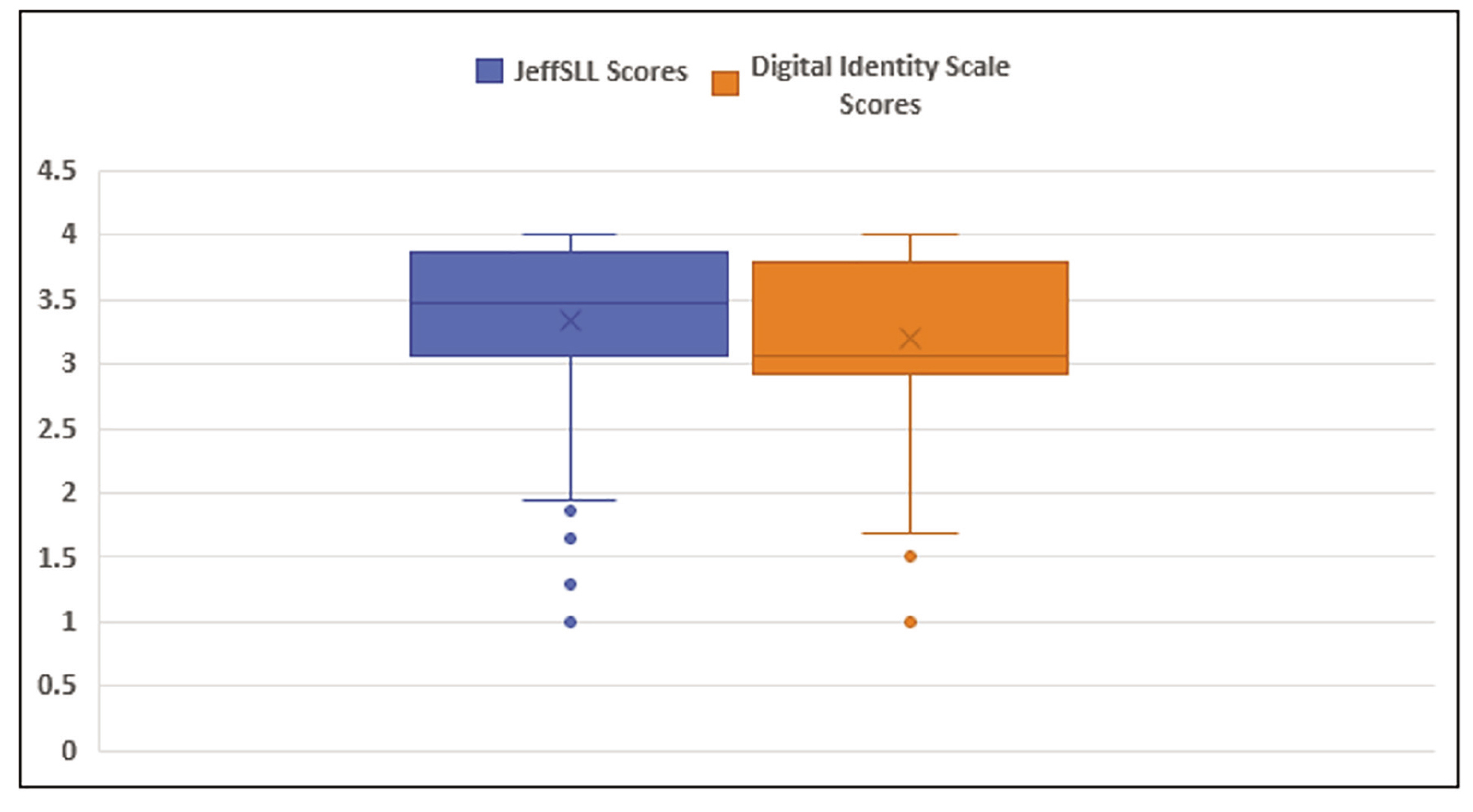
Figure 1. Scores of JeffSLL and Digital Identity Scales among participants
Geographic Representation and Scale Scores
Egypt reported the highest number of participants [166], followed by Saudi Arabia [52], and then Finland [36] (Figure 2). Figure 3 shows the scores of JeffSLL and Digital Identity Scales among the participants (Scores mean±SD= 3.33±0.65, 3.19±0.57, respectively).
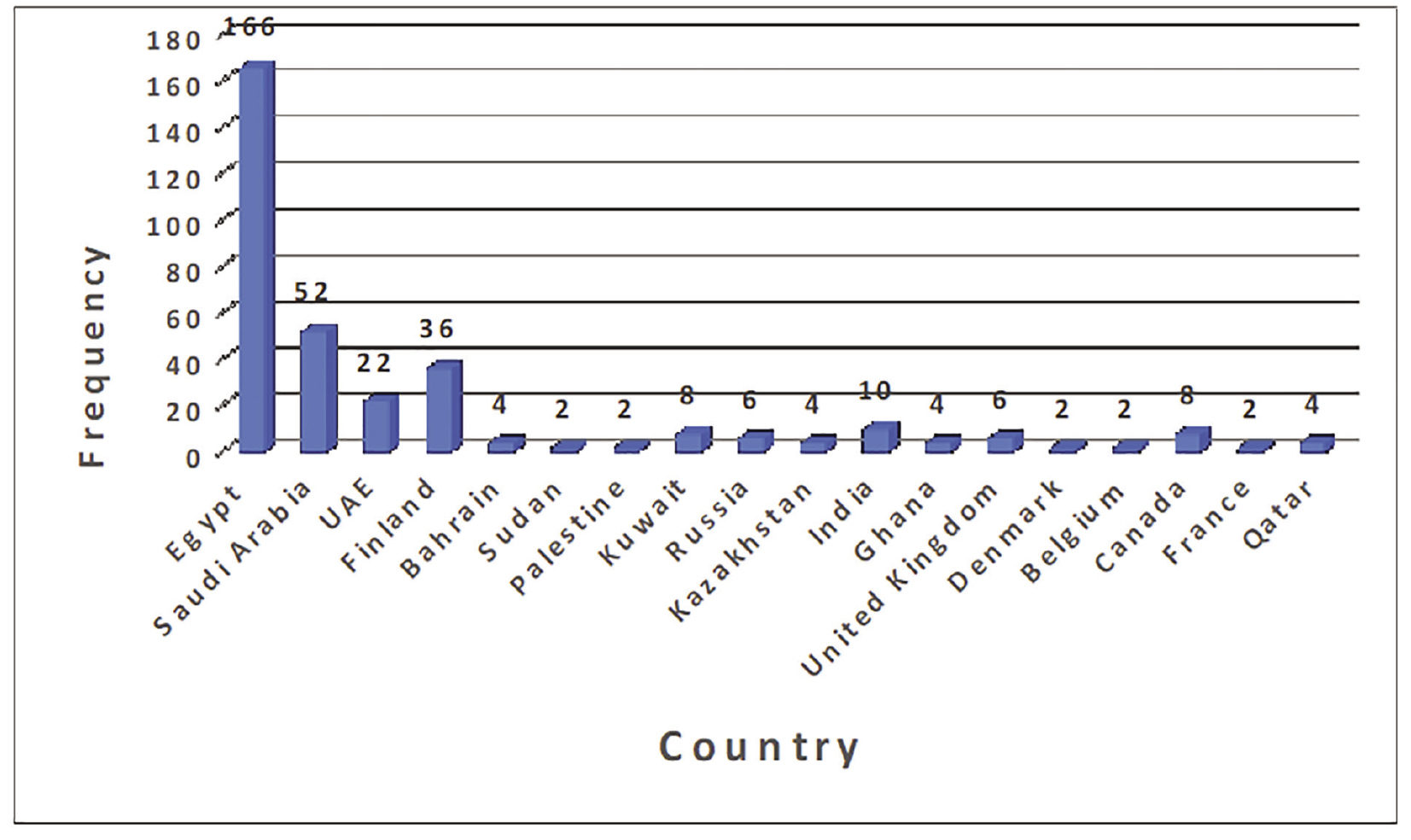
Figure 2. Scores of JeffSLL and Digital Identity Scales among
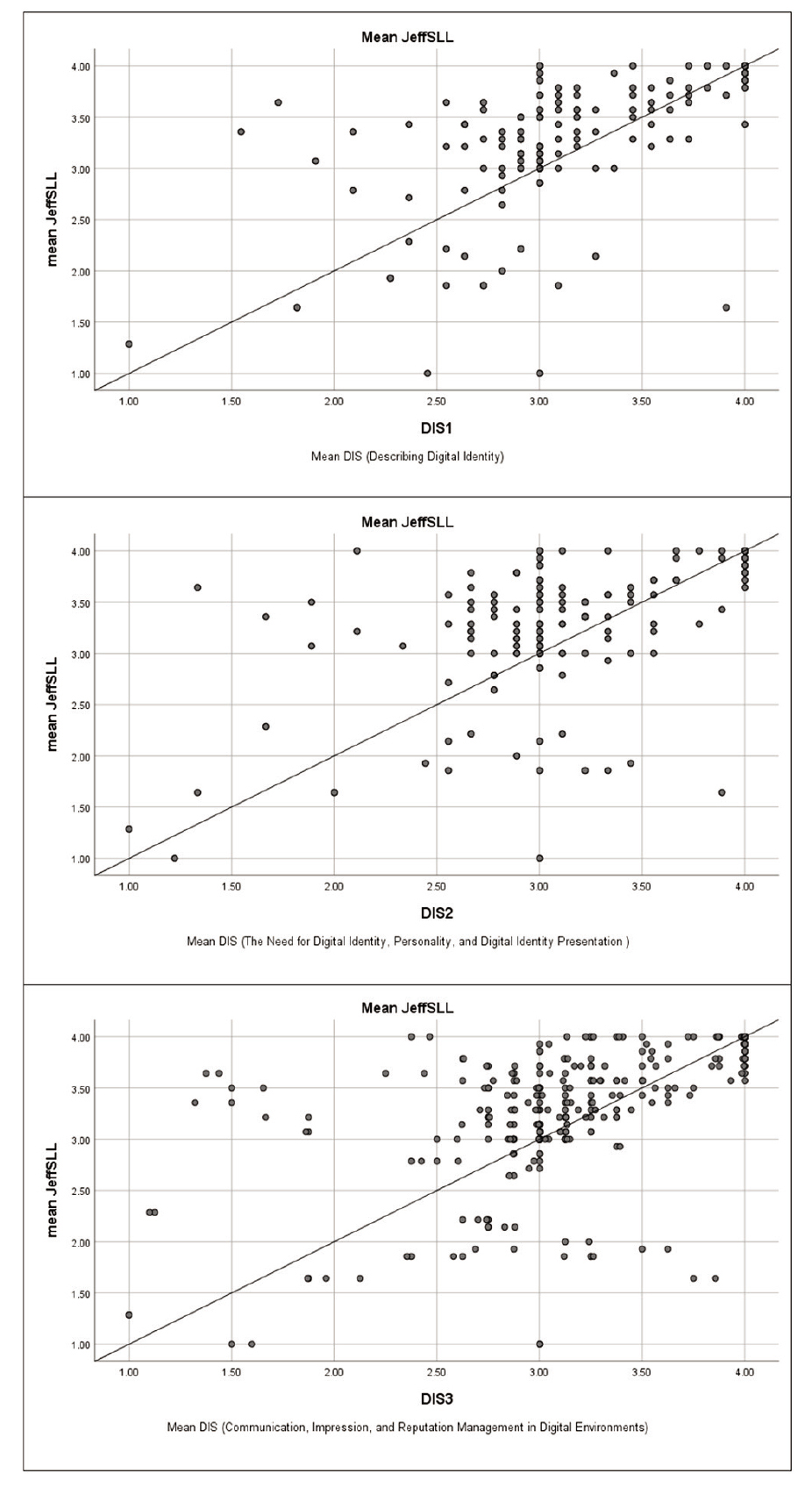
Figure 3. Scatter Plot showing significant correlatios between JeffSLL scores and 3 DIC scores (p<0.001)
Discussion
This study investigated the relationship between digital self-representation and professional branding with motivation for lifelong learning (LLL) among health professionals. The findings revealed a strong, statistically significant correlation (r=0.635, p<0.001) between engagement with digital professional identity (DPI) and lifelong learning motivation, as measured by the Jefferson Scale of Lifelong Learning (JeffSLL). These results indicate that DPI not only is a communication or branding tool but increasingly acts as a motivational and strategic driver of reflective, continuous learning behavior in healthcare contexts ( 8 , 17 ). This aligns with the findings of Guraya, et al. ( 8 ) and Ruan, et al. ( 1 ), demonstrating that digital engagement reinforces professional identity and promotes self-directed learning through reflection and peer interaction. However, the magnitude of correlation in our study (r=0.635) exceeds that reported by Sarraf-Yazdi, et al. ( 17 ), suggesting that the integration of digital professionalism into learning processes may be stronger among current health professionals confronted with post-pandemic digital acceleration.
Participants in this study reported a high overall JeffSLL score (3.33±0.65), consistent with prior international findings demonstrating strong professional commitment to ongoing learning ( 10 , 11 ). Mid-career professionals (ages 36–45) exhibited the highest LLL scores (3.43±0.62, p=0.047), aligning with previous evidence that professionals in transition to leadership roles are more attuned to skill updating and reflective practice. This trend mirrors Slotnick’s ( 18 ) findings on physicians’ self-directed learning, where motivation peaks during periods of professional consolidation. The similarity suggests that motivation for LLL might be structurally tied to role transitions, regardless of regional or disciplinary differences.
Professionals from dentistry and European regions reported significantly higher LLL scores (both p=0.005), likely due to their embedded CPD cultures and structured access to digital learning resources. This finding is consistent with Fernández-Luque and Ramirez-Montoya’s results ( 15 ), emphasizing that European and Latin American educational frameworks integrate digital literacy within competency-based curricula, thereby enhancing lifelong learning motivation. Conversely, in regions with weaker CPD systems—such as parts of the Middle East—the lower scores observed may stem from infrastructural and regulatory disparities rather than attitudinal differences. Dentistry professionals, who often operate in competitive, client-facing environments, may be intrinsically motivated to maintain relevance and patient confidence. European systems frequently institutionalize learning through regulatory frameworks, enabling sustained LLL engagement ( 19 ). By comparison, Cervero and Gaines ( 20 ) showed that mandatory continuing education in the United States produced similar motivational outcomes, reinforcing that structured professional accountability universally strengthens intrinsic motivation for learning. Thus, the similarity between European and North American participants likely reflects convergent educational policy effects rather than cultural divergence.
This supports Self-Determination Theory ( 9 ), which holds that intrinsic drivers such as mastery and curiosity—alongside identified regulation like professional duty—nurture internalized commitment to learning. Organizational alignment and digital access strengthen these motivational mechanisms ( 10 ). The mean Digital Identity Scale score (3.19±0.57) reflects moderate to high engagement with DPI. Digital identity encompasses how professionals present, manage, and evolve their roles online using tools such as LinkedIn, Twitter, ResearchGate, or personal academic sites. Prior research has shown that DPI often begins from professional needs but evolves into a strategic component of self-regulated professional identity ( 1 ).
Mid-career professionals once again showed peak DPI engagement, particularly those aged 36–45 years and those with 11–15 years of experience (p=0.001). Comparable findings were reported by Kleppinger and Cain ( 21 ), who found that mid-career pharmacists strategically cultivated digital presence to enhance visibility and credibility. Similarly, Ruan, et al. ( 1 ) observed that DPI became more stable and intentional with professional maturity, which may explain the congruence between our results and theirs. This demographic feature often navigates increased leadership responsibilities and career visibility, making digital platforms essential for peer networking, professional recognition, and knowledge dissemination ( 8 , 21 ). However, our findings differ slightly from those of Guraya et al. ( 8 ), who reported that early-career professionals were more digitally active but less intentional in their professional use. The higher DPI engagement among mid-career professionals in our sample may thus reflect generational or cultural differences in digital maturity and institutional support ( 13 ).
Academic rank did not significantly affect DPI scores, yet professors and associate professors displayed descriptively higher scores. Senior academics often utilize digital identity as a scholarly leadership tool, consolidating years of academic output into cohesive branding narratives ( 1 ). In contrast, lower-ranked academics may face challenges such as digital hesitancy, institutional ambiguity, or lack of mentorship regarding professional online engagement. This pattern is consistent with the result of Chaudhary, et al.’s study ( 22 ), reporting that senior dental professionals were more likely to integrate teledentistry and academic dissemination into their digital profiles. The similarity underscores that academic authority and experience may enable more confident, purpose-driven digital engagement.
Our findings confirmed that participants from Europe and North America scored highest on both DPI and JeffSLL scales, consistent with structural advantages in digital maturity and academic culture ( 8 ). Comparable outcomes were reported by Capriotti and Zeler ( 23 ), highlighting proactive institutional use of digital media in Western higher education, whereas Borges do Nascimento, et al. ( 12 ) found significant barriers in digital infrastructure and literacy in low- and middle-income countries. These regional discrepancies likely account for the observed differences in our cohort, indicating that system-level resources shape both engagement and motivation ( 12 , 23 ).
Furthermore. Nursing and pharmacy professionals reported the lowest DPI and LLL scores. This is consistent with known systemic barriers such as insufficient digital training, constrained institutional roles, and perceived risk in public engagement ( 24 ). Ventola ( 24 ) and Al-Osaimi ( 25 ) similarly found that nursing professionals faced both ethical uncertainty and technical barriers that hinder online participation. The replication of this trend in our data reinforces its global consistency and underscores the urgency of targeted digital capacity-building within these professions. Faculty development programs targeted at underrepresented disciplines and geographies can improve this gap. For example, Shon, et al. ( 26 ) demonstrated that web-based faculty training significantly improved digital competency among Asian nursing educators, indicating that scalable, tailored interventions are possible.
Interestingly, clinical versus basic science specialists did not show statistically significant differences, but clinical professionals reported slightly lower DPI scores. This may relate to ethical complexities, institutional restrictions, or patient confidentiality concerns when engaging publicly online ( 14 ). A similar observation by Konttila, et al. ( 14 ) revealed that clinicians often experienced lower confidence in digitalization than educators due to privacy and liability fears, supporting our interpretation of this finding. Basic science faculty often experience fewer constraints and operate in research-dense environments that reward open online scholarship and identity consolidation through preprints, blogs, and public-facing repositories. Similarly, no significant gender differences emerged in JeffSLL or DPI scores (p>0.05), being in the same line with research in high-resource settings where institutional equity measures are in place ( 27 ). This convergence mirrors the findings of Tomas, et al. (2022), who showed that gender gaps in e-learning motivation diminished when equal training access was provided. However, compared to Elena-Bucea, et al. ( 28 ), who documented persistent digital divide among older European populations, our results indicate a generational narrowing of gender-based differences in digital professionalism ( 28 , 29 ).
A key contribution of this study provides evidence that DPI is a strong and direct predictor of lifelong learning motivation. Previous studies often posited that this relationship was mediated by peer networks, institutional support, or mentorship ( 17 ). Our findings indicate a more immediate connection, showing that engagement with one's digital identity activates motivation for continuous improvement, visibility, and learning. This is partly consistent with the findings of Guraya, et al. ( 8 ), but our results extend their model by showing that digital engagement alone can independently sustain motivation, even in the absence of institutional reinforcement. The stronger correlation may reflect growing normalization of digital professional presence post-pandemic, which transformed online engagement into a habitual professional practice rather than a supplementary tool. This mechanism reflects the expressive and reputational dimensions of DPI ( 1 ), which allow professionals to observe their growth publicly and to internalize feedback from their networks. Professionals who successfully integrate personal values with public identity report higher engagement, authenticity, and emotional resilience ( 5 , 30 ). Moreover, this feedback loop between digital branding and learning is reinforced by peer visibility and audience responsiveness ( 22 ). Similar cyclical reinforcement has been documented in social cognitive learning theories, where observation and reflection within digital networks foster sustained motivation and skill acquisition. As professionals engage digitally, they are exposed to new resources, peer practices, and evolving standards—prompting adaptive learning. Tahir, et al. ( 13 ) emphasized that this alignment of personal-professional identity promoted deeper investment in professional growth.
The study identified three subdimensions linking digital professional identity to lifelong learning motivation among health professionals. Subdimension 1 (Describing Digital Identity; r=0.641, p<0.001) showed the strongest correlation, suggesting that individuals who clearly articulate their digital identities, defining their roles, values, and expertise, exhibit higher motivation for continuous learning.
Subdimension 2 (Need for Digital Identity, Personality, and Presentation; r=0.575, p<0.001) reflected a moderate relationship, indicating that recognizing the importance of digital presence encourages professionals to remain current. These results align with those of Wasityastuti, et al. ( 31 ), who report that motivation is driven by extrinsic factors such as visibility, social validation, and professional accountability, each reinforcing learning engagement.
Subdimension 3 (Communication, Impression, and Reputation Management; r=0.584, p<0.001) also showed a moderate correlation, highlighting that effective digital communication and reputation building depend on continuous knowledge updating. Engaging in online professional discourse, maintaining credibility, and networking promote learning through collaboration and shared expertise ( 32 ).
Structural risks and ethical safeguards should be emphasized; despite the potential of DPI, there are considerable operational concerns. Public self-representation requires careful navigation of privacy, professionalism, and authenticity. Clinical practitioners may be particularly hesitant to use digital media due to fear of scrutiny or reputational risks ( 15 , 24 ). This concern parallels the findings of Naamati-Schneider, et al. ( 33 ), who noted that moral and ethical dilemmas in digital transformation often lead to self-censorship among health professionals. Institutions must develop safeguards that balance transparency with protection, especially for early-career professionals or those in conservative settings, Schneider, et al. ( 33 ) argue for ethical policies in digital professionalism, including mentorship, content boundaries, and institutional support. Without such frameworks, the shift toward digital identity risks excluding less-resourced professionals or creating performative professionalism that prioritizes visibility over substance ( 34 ).
Limitations and Future Research
This study used well-validated instruments (JeffSLL and Digital Identity Scale) but relied on self-reporting, which can inflate perceived competence. As Davis, et al. ( 35 ) found, health professionals often overestimate their abilities in self-assessments. Future studies should include qualitative data, such as reflective journaling, interviews, or digital footprint analysis, to explore the nuances of DPI behavior ( 36 ). Longitudinal research would help clarify how DPI evolves and how career events (e.g., promotions, transitions, burnout) influence online identity. Mixed-methods designs may also reveal how emotional labor, institutional policies, and peer environments interact with professional branding and learning engagement.
Conclusion
Digital Professional Identity (DPI) is a significant and measurable predictor of motivation for lifelong learning. This study confirms that mid-career professionals in digitally mature environments derive motivational, reputational, and relational value from their online presence. DPI is not merely a product of digital communication; it is a dynamic system of self-construction and professional signaling that fosters reflective practice and continuous development.
Acknowledgment
The authors would like to express their sincere gratitude to all health professionals who generously agreed to participate, without whom this work would not have been possible.
Authors’ contribution
Each author made substantial contributions to the conception or design of the work, or the acquisition, analysis, or interpretation of data. All authors participated in drafting the manuscript or revising it critically for important intellectual content. They have all given final approval of the version to be published and agree to be accountable for all aspects of the work, ensuring that any questions related to the accuracy or integrity of any part are appropriately investigated and resolved.
Conflict of interest
The authors declare that there are no conflicts of interest regarding the publication of this paper. All authors have contributed to the work objectively, and no financial, personal, or professional relationships that could inappropriately influence or bias the research and its findings have been identified.
Declaration of AI
In preparing this manuscript, the authors utilized a large language model (LLM) AI assistant (ChatGPT) to enhance the clarity, coherence, and academic quality of the writing. The authors take full responsibility for the accuracy of all content, the appropriateness of all citations, and the integrity of the research reported. All authors have reviewed, revised, and approved the final manuscript, ensuring that it accurately represents their original research and scholarly contributions.
References
- Ruan B, Yilmaz Y, Lu D, Lee M, Chan TM. Defining the Digital Self: A Qualitative Study to Explore the Digital Component of Professional Identity in the Health Professions. J Med Internet Res. 2020; 22(9):e21416.
- Reda EY. Exploring the components of digital identity on social networks sites: Identifier, post, Profile Photo, and Selfie. European Scientific Journal, ESJ. 2024; 20(1):1.
- Szwed M. Would you pay an insta-doctor a visit? Social Media Personal Brands and young consumer perception. Journal of Marketing and Consumer Behaviour in Emerging Markets. 2024; 2024(2):1-14.
- Faihs V, Heininger S, McLennan S, Gartmeier M, Berberat PO, Wijnen-Meijer M. Professional identity and motivation for medical school in first-year medical students: A cross-sectional study. Medical Science Educator. 2023; 33(2):431-41.
- Gryshchenko O, Murphy M, Voloshyna-Narozhna V. Eudaimonia and lifelong learning motivation. Grail of Science. 2023; 32:333-42.
- Novak M, Palladino C, Ange B, Richardson D. Jefferson Scale of Lifelong Learning-Health Professions students version (Jeffsll-HPS): An instrument to measure health professions students’ orientation toward lifelong learning. MedEdPORTAL. 2014; 10:9671.
- Zhou Y, Sumettikoon P. Empowering principals for lifelong learning: Self-directed approaches in digitalized information systems. Journal of Information Systems Engineering and Management. 2024; 9(4):27098.
- Guraya SS, Guraya SY, Yusoff MSB. Preserving professional identities, behaviors, and values in digital professionalism using social networking sites; a systematic review. BMC Med Educ. 2021; 21(1):381.
- Ryan RM, Deci EL. Self-determination theory and the facilitation of intrinsic motivation, social development, and well-being. Am Psychol. 2000; 55(1):68-78.
- Berger-Estilita J, Krista L, Gogollari A, Schmitz F, Elfering A, Guttormsen S. Self-directed learning in health professions: A mixed-methods systematic review of the literature. PLoS One. 2025; 20(5):e0320530.
- Franc E, Stampfl R, Geyer B. Virtual communities of practice on LinkedIn: A study on self-directed, work-related learning. MAP Education and Humanities. 2024; 4(1):100-14.
- Borges do Nascimento IJ, Abdulazeem H, Vasanthan LT, Martinez EZ, Zucoloto ML, Østengaard L, et al. Barriers and facilitators to utilizing digital health technologies by healthcare professionals. NPJ Digit Med. 2023; 6(1):161.
- Tahir HN, Habib S, Jabeen R, Dhanwani A, Jawed S, Guerrero-Torres L, et al. Protocol of digital decision support system (DDSS) embedded within a tele-primary healthcare platform in Pakistan: an assessment of usability, acceptability, effectiveness and perceived quality of care in a resource-constrained setting. BMJ Open. 2024; 14(9):e082167.
- Konttila J, Siira H, Kyngäs H, Lahtinen M, Elo S, Kääriäinen M, et al. Healthcare professionals' competence in digitalisation: A systematic review. J Clin Nurs. 2019; 28(5-6):745-61.
- Fernández-Luque AM, Ramirez-Montoya MS. Health professionals’ competencies in the framework of complexity: Digital Training Model for Education 4.0. Revista Española de Documentación Científica. 2024; 47(2):1.
- Kavut S. Digital Identity Scale: A validity and Reliability Study. Media Literacy and Academic Research. 2024; 7(1):174-89.
- Sarraf-Yazdi S, Teo YN, How AEH, Teo YH, Goh S, Kow CS, et al. A Scoping Review of Professional Identity Formation in Undergraduate Medical Education. J Gen Intern Med. 2021; 36(11):3511-21.
- Slotnick HB. How doctors learn: physicians' self-directed learning episodes. Acad Med. 1999; 74(10):1106-17.
- Kononowicz AA, Woodham LA, Edelbring S, Stathakarou N, Davies D, Saxena N, et al. Virtual Patient Simulations in Health Professions Education: Systematic Review and Meta-Analysis by the Digital Health Education Collaboration. J Med Internet Res. 2019; 21(7):e14676.
- Cervero RM, Gaines JK. The impact of CME on physician performance and patient health outcomes: an updated synthesis of systematic reviews. J Contin Educ Health Prof. 2015; 35(2):131-8.
- Kleppinger CA, Cain J. Personal Digital Branding as a Professional Asset in the Digital Age. Am J Pharm Educ. 2015; 79(6):79.
- Chaudhary FA, Ahmad B, Javed MQ, Mustafa S, Fazal A, Javaid MM, et al. Teledentistry awareness, its usefulness, and challenges among dental professionals in Pakistan and Saudi Arabia. Digit Health. 2022; 8:20552076221089776.
- Capriotti P, Zeler I. Analysing effective social media communication in Higher Education Institutions. Humanities and Social Sciences Communications. 2023; 10(1):1-14.
- Ventola CL. Social media and health care professionals: benefits, risks, and best practices. P T. 2014; 39(7):491-520.
- Al-Osaimi DN. The impact of digital learning on Saudi nursing students' engagement: A qualitative study. Nurs Open. 2024; 11(8):e2188.
- Shon S, Shin H, Rim D, Jeon H. Nursing faculty development program for digital teaching competence. BMC Med Educ. 2024; 24(1):511.
- Shah CS, Krishnan S. Digital Gender Gap, gender equality and national institutional freedom: A Dynamic Panel Analysis. Information Systems Frontiers. 2023; 27(2):605-34.
- Elena-Bucea A, Cruz-Jesus F, Oliveira T, Coelho PS. Assessing the role of age, education, gender and income on the digital divide: Evidence for the European Union. Information Systems Frontiers. 2020; 23(4):1007-21.
- Correa A, Glas MG, Opara J. Females in higher education and leadership: Insights from a multi-method approach. Frontiers in Education. 2025; 9:1468395.
- Napal Fraile M, Peñalva-Vélez A, Mendióroz Lacambra AM. Development of digital competence in Secondary Education Teachers’ training. Education Sciences. 2018; 8(3):104.
- Wasityastuti W, Susani YP, Prabandari YS, Rahayu GR. Correlation between academic motivation and professional identity in medical students in the Faculty of Medicine of the Universitas gadjah mada Indonesia. Educación Médica. 2018; 19(1):23-9.
- Wang T, Jiang Y. The relationship between professional identity and academic burnout among college students majoring in physical education a chain-mediated effect. Front Psychol. 2025; 16:1618909.
- Naamati-Schneider L, Arazi-Fadlon M, Daphna-Tekoah S. Navigating moral and ethical dilemmas in digital transformation processes within healthcare organizations. Digit Health. 2024; 10:20552076241260416.
- Tukur M, Schneider J, Househ M, Dokoro AH, Ismail UI, Dawaki M, et al. The metaverse digital environments: a scoping review of the challenges, privacy and security issues. Front Big Data. 2023; 6:1301812.
- Davis DA, Mazmanian PE, Fordis M, Van Harrison R, Thorpe KE, Perrier L. Accuracy of physician self-assessment compared with observed measures of competence: a systematic review. JAMA. 2006; 296(9):1094-102.
- Vaona A, Banzi R, Kwag KH, Rigon G, Cereda D, Pecoraro V, et al. E-learning for health professionals. Cochrane Database Syst Rev. 2018; 1(1):CD011736.


