
Introduction
Mentorship is a cornerstone for faculty well-being and career advancement in academia. The literature defines faculty mentoring as a learning partnership where trust, respect, and commitment lead a mentor to help others (mentees) grow personally and professionally by sharing experiences and expertise ( 1 , 2 ). Faculty mentoring is believed to have several positive effects, including empowerment, increased job satisfaction, and valuable interaction between junior (novice) and senior professionals ( 3 ).
A mentorship program is recognized as a vital mechanism for career advancement and is crucial for achieving a successful and fulfilling professional life ( 4 ) Faculty mentorship has proven invaluable for early-career faculty in navigating the multifaceted demands of academia, from managing budgets to navigating departmental politics ( 5 ). However, equitable access to quality mentorship remains challenging despite its evident advantages.
Studies suggest that the variability in mentorship experiences can limit the potential benefits for mentors and mentees ( 6 ). Traditionally viewed as a dyadic relationship, mentorship has evolved to encompass networks, peer groups, group mentoring, and distance mentoring ( 7 , 8 ). It can manifest formally within structured mentorship schemes and informally through independently sourced advisors ( 9 ). A structured peer mentoring program can assist the professional development of mentees ( 10 ).
In medical schools, mentoring programs are fundamental in fostering faculty development. Faculty mentoring programs (FMPs) offer many benefits, including increasing competence and participation of faculty members. It imparts invaluable opportunities for professional development by enhancing their teaching skills, research capabilities, and overall performance in their roles through guidance, support, and mentor feedback. Because of numerous beneficial impacts, Murray et al. (2024) suggested that junior faculty mentoring programs should be integral to faculty development ( 11 ).
FMP expresses the institution's commitment to faculty professional growth and retention by providing professional benefits and psychosocial support to faculty members, helping them navigate challenges, build confidence, and balance their lives and work ( 11 ).
In addition to the individual benefits for both the mentor and mentee, the Faculty Mentorship Program (FMP) contributes to the growth and development of the institution. Mentoring enables the transfer of knowledge and expertise from experienced mentors to junior colleagues ( 12 ). This knowledge transition preserves institutional wisdom and ensures the maintenance of high academic standards. FMP also offers opportunities for career advancement, research partnerships, and networking within and outside the institution that, in turn, affects institutional growth ( 13 ).
However, as with other programs, the sustainability and effectiveness of mentoring programs also required careful evaluation for refinement and improvement, ensuring their effectiveness in achieving desired outcomes ( 11 ).
The Aga Khan University Medical College implemented a formal FMP in 2019 to assist junior faculty members in their career growth and progression ( 14 , 15 ). The program is envisioned to allow newly hired faculty members to connect with senior faculty members and gain an inherent understanding of the culture and vision of AKU ( 15 ). The main purpose of the program is faculty development through forward-thinking workshops, specifically matching mentors and mentees to set and monitor professional development plans. Another target was to familiarize the participants with the workings of different departments and collaborative approaches, contributing to AKU's vision of becoming a "center of excellence" in various services ( 15 , 16 ).
The present study aimed to comprehensively assess the FMP at AKU-MC through the lens of the SWOC framework. SWOC stands for Strengths, Weaknesses, Opportunities, and Challenges, which evaluates internal and external factors affecting the program's efficiency. In the context of higher education, it helps in strategic planning to improve the program's efficiency by providing information about its current strengths and weaknesses while highlighting external opportunities and challenges. By understanding the program's past and present, SWOC can help to plan for future improvement.
This analysis will further inform strategic decision-making to enhance the efficiency of the FMP at AKU-MC by leveraging strengths, addressing weaknesses, seizing opportunities, and overcoming challenges.
Methods
A qualitative exploratory study was conducted from July to December 2023, after ethical approval was obtained from the Ethical Review Committee of AKU, Karachi, Pakistan. This approach was most appropriate for exploring complex human interactions and contextual factors that influence the effectiveness of the program, which could not be captured through quantitative measures.
Participants and settings
A purposive sampling strategy was employed to ensure representation from all key stakeholder groups involved in the FMP, including mentors, mentees, program administrators, and senior leaders. Invitations to participate were sent via institutional email to faculty members who met the study inclusion criteria. Eligible participants included those who had been part of the mentorship program for at least one year and had participated in at least two mentorship sessions. These criteria were selected to ensure that participants had sufficient exposure to the program’s processes, relationships, and activities to provide meaningful reflections on its strengths, weaknesses, opportunities, and challenges. Mentors who had served as mentors for at least one year and conducted at least two sessions with the mentees were faculty members of the program. Instructors and assistant professors of the program who fulfilled the above criteria were contacted as mentees. Chairs, co-chairs, managers, and coordinators who had been involved in the program for a minimum of one year were also included. Deans and founding members of the program were also requested to participate in the study. The faculty members involved in departmental mentorship programs and those who had participated for less than one year or attended fewer than two mentorship sessions were excluded. Participation was voluntary, and no incentives were offered. The final sample comprised mentors (n=4), mentees (n=5), program managers (n=6), and senior leaders (n=2), representing diverse perspectives across academic and administrative levels. Although the distribution across categories was not numerically balanced, this composition was intentional to capture diverse perspectives from individuals representing different levels of program involvement and administrative oversight.
Research Tool Development
The relevant literature helped the researcher formulate a semi-structured interview guide containing open-ended, preparatory, investigative, and closing questions. The guide for IDIs (in-depth interviews) included questions for leaders and administrators, whereas the guide for Focus Group Discussions (FGDs) contained questions for mentors and mentees. All the guides focused on the perceptions of mentorship culture, roles and responsibilities, facilitators and barriers, institutional support, perceived outcomes, and suggestions for improvement. Supervisors and experts from the department of medical education reviewed the guide through Delphi rounds. To analyze the comprehension and understanding of FGD guide questions, pilot testing was performed separately with four faculty members (2 administrators, 2 mentors in a well-reputed academic institution with a full-fledged student mentorship program and faculty mentorship in the initiation process. The analysis was used to check the ability of the tool to deliver the required meaning and produce the desired response for each item. All participants of the pilot study were able to understand the questions; however, a few probes were conducted before pilot testing and administration.
After the pilot testing, minor revisions were made to enhance question clarity and sequencing; a few double-barreled questions were rephrased into single prompts, and a few questions were added in the guide. The final guide contained 8 broad questions with few prompts.
Theoretical Framework
The primary theories guiding most mentoring program research include social learning and transformational leadership theories ( 17 , 18 ). Social learning theory explains how people learn new behaviors by interacting with others ( 17 ). Transformational leadership theory enhances mentoring programs by creating a supportive, inspiring, and intellectually stimulating environment ( 19 ). Our study aligned well with the concept of Social Learning theory as a theoretical framework that informs the study data collection and analysis in terms of understanding the dynamics of the relationship. The theory by Bandura highlighted the importance of role modeling, structured reflection, and ongoing feedback for a successful mentorship program ( 17 ). The theory guided the SWOC-based data analysis by providing a lens to interpret the participants’ experiences.
Data collection
All participants’ consent was obtained before the IDIs/FGDs were conducted, and their participation was requested by email. All interviews were conducted from July to September 2023 by the researcher during the daytime in a private and comfortable setting, with the assistance of a moderator. Each session lasted approximately 30–45 minutes, allowing sufficient time for participants to establish rapport with one another and with the researcher, and to freely express and exchange their perspectives. The researcher and moderator were ensured that the discussions remained focused and on track. At the conclusion of each session, the participants were invited to share any additional feedback or suggestions for enhancing the mentoring programs. All FGDs were recorded and proceeded smoothly without no adverse incidents. Participants expressed satisfaction with their engagement, the acknowledgement they received, and their overall interaction with the researcher. The researchers ensured all the participants' privacy, confidentiality, and responses throughout the data collection process. Reflective logs were collected to provide additional context and insight into the participants' experiences and were analyzed alongside the interview and focus group data ( 20 ).
Data collection continued until information redundancy was reached, indicating data saturation. No new themes emerging by the final two focus group discussions (FGDs) and the last two IDIs, confirming adequate coverage of participant perspectives.
Study Rigor
This study rigor was achieved by focusing on credibility, dependability, conformability, and transferability ( 21 ). Credibility was ensured by adopting research methods suitable for achieving the research objective and undertaking a pilot study. The research team also reviewed the interview process and questions. Additionally, understanding during the interviews was ensured by asking repetitive questions, and member checking was done by asking the participants to verify the accuracy of findings ( 22 ). Conformability was attained by having triangulation in both data collection and analysis phases. Data sources triangulation included IDI, FGD, and reflective logs. At the same time, participants' triangulation included leadership, administrators, mentors, and mentees. An audit trail was maintained throughout the study, which entails the detailed study protocol, coding accuracy, and verification by the primary researcher and research team to ensure dependability ( 23 ). The detailed elaboration of the participants, setting, and context helped transferability ( 24 ).
Data analysis
The interviews were recorded, transcribed verbatim, and analyzed manually with no data analysis software used. Data analysis followed a two-phase approach combining deductive and inductive strategies. In the first phase, a deductive framework based on the predefined SWOC model was applied to organize and categorize the data according to the program’s evaluation objectives. All transcribed data from FGDs and IDIs were initially coded within these four categories to provide structural clarity and align with the study exploratory aims.
In the second phase, an inductive thematic analysis was conducted within each SWOC domain to identify the subthemes and emerging patterns beyond the initial framework ( 25 ). Three researchers independently conducted line-by-line open coding, generating preliminary codes through multiple readings of the transcripts. A shared codebook was collaboratively developed to define each code, its description, and example quotes from the data, ensuring a consistent understanding among researchers. The team met regularly after every two transcripts to review and refine the codebook, merge similar codes, and clarify definitions.
Coding discrepancies were discussed during review meetings until full consensus was achieved. When disagreements persisted, the research supervisor served as an adjudicator. This iterative and collaborative process strengthened inter-coder reliability and minimized individual bias. Peer debriefing among researchers and member checking with selected participants further enhanced the credibility and conformability of the findings.
Data collection and analysis were conducted simultaneously, and saturation was achieved when no new codes or subthemes emerged in the final two FGDs and the last two IDIs, ensuring sufficient depth and breadth of perspectives.
Following refinement, the codes were organized into subthemes and overarching themes through axial coding and then mapped within the SWOC framework to contextualize the findings. The final themes were validated collaboratively to confirm alignment with the data and study objectives.
The subthemes were grouped into overarching themes as follows:
- - Strengths: subthemes related to internal positive attributes and resources of the program.
- - Weaknesses: subthemes identifying internal limitations or areas for improvement in the program.
- - Opportunities: subthemes highlighting the factors that were outside the program and could be used for growth or advantage.
- - Challenges: subthemes pointing to challenges the program faced outside the program.
Data analysis steps are summarized in Figure 1.
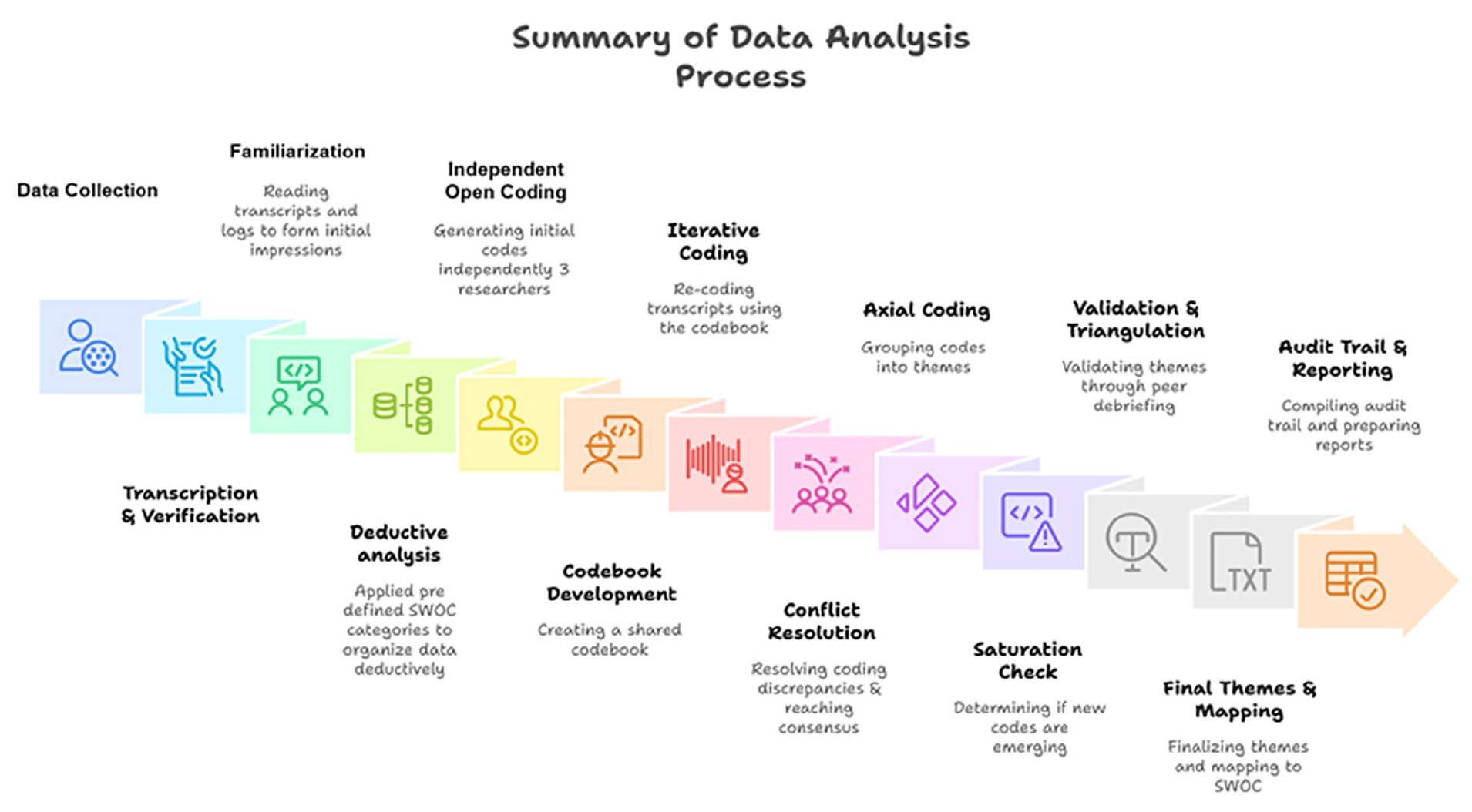
Figure 1. Summary of Data analysis process
This combined deductive–inductive approach ensured analytical rigor, transparency, and contextual depth in understanding the faculty mentorship experience.
Methodological triangulation of data was achieved by collecting information from multiple sources and methods to enhance the credibility and depth of findings. Inputs were gathered through FGDs with mentors, mentees, IDIs with administrators, field notes, and reflective memos, as well as document review of institutional mentorship policies and program reports. Additionally, investigator triangulation was ensured by involving both the researcher and the moderator in data analysis to minimize subjective interpretation.
Ethical approval
We obtained ethical approval from the Ethics Review Committee of Aga Khan University (Ref No. 2023-6127-25374), Karachi, Pakistan.
Results
Seventeen individuals from AKU-MC participated in the study, including six administrators, two leaders, four mentors, and five mentees. A total of four focus group discussions (FGDs) and eight in-depth interviews (IDIs) were conducted, involving seventeen unique participants. Among those interviewed individually, there was equal participation of males and females (n=4 each), while the FGDs included six females and nine males, with some individuals participating in both formats. This overlap explains a total of 17 distinct participants overall. The gender balance was maintained as far as possible to ensure inclusivity and diversity of viewpoints (Table 1).
| Characteristics | Number of participants | Data collection tool |
|---|---|---|
| Administrators/Leaders of FMP | 8 | IDI |
| Mentors | 4 | 2- in FGD 1 |
| 2 in FGD 2 | ||
| Mentees | 5 | 3 in FGD 3 |
| 4 in FGD 4 | ||
| IDI= in-depth interview, FGD= Focus group discussion, FMP= Faculty Mentorship progra | ||
The identified themes, subthemes, and codes were organized into themes concerning the program's strengths, weaknesses, opportunities, and challenges (Table 2a, b, c, d).
| a: Strengths of Faculty Mentorship Program at AKU-MC | ||
|---|---|---|
| Theme 1: Mentoring Renaissance | ||
| Key Concepts (Codes: Administrator) | Key Concepts (Codes: Mentor) | Key Concepts (Codes: Mentees) |
| Program Prominent Feature: Transition from Informal to Formal Mentorship | ||
| We obtained data from the faculty regarding the initiation of formal mentorship. The responses were positive and most mentees and mentors in favor of the new program (IDI). | Informal mentorship existed a couple of years back, before the introduction of the formal mentorship program. The mentees used to work with mentors of their own department who helped them to achieve desire goal (FGD). | I think there should be a slightly more structured and formal role of the university to document the process and outcomes (FGD). |
| Supportive Ecosystem | ||
| There is a mentor’s pool available on the AKU website for past one year. Mentees give us a choice we pair the mentees with the mentors (IDI). | • I remember my mentor would never leave the lecture hall before erasing the hiteboard/chalkboard for the next person. This small gesture sets a path (IDI). | My professor was a role model for me whom I followed in my career (FGD). |
| The list of mentors is reviewed every two years. The mentees are being provided with limited options to come back if they are unhappy or unsatisfied with it, they can request to change their mentors. Once the mentor-mentee pair is formed, we ask them to start the meetings. We, however, never get the information whether they are performing well or not (IDI). | • I myself mentor and supervise many students. The administration got us connected via our email and set up one of our initial meetups with our mentor, and then every quarter or every six months. They would send us the feedback form, take our feedback. I feel pretty much connected with the committee as they are there to listen to you (FGD). | |
| b: Weaknesses of the Faculty Mentorship Program at AKU-MC | ||
| Theme 1: Communication and Interactions need to be addressed | ||
| Key Concepts (Codes: Administrator) | Key Concepts (Codes: Mentor) | Key Concepts (Codes: Mentees) |
| Lack of consideration of Mentor Mentee compatibility | ||
| ---the younger faculty should be invited to choose mentors out of the box (IDI). | There should be no forced pairing of the mentee and mentor. It should be a voluntary exercise. Forced marriages are usually not considered to be very successful (FGD). | We searched the pool from where we opted for three mentors in the rank order--- I was given a mentor which was not in line with my research (FGD). |
| Communication Gap | ||
| The culture of face-to-face communication has to be revived instead of exchanging emails or WhatsApp messages. A solution to improve the communication gap is participation in departmental and coffee meetings (FGD). | • Many young faculty members were facing difficulty to interact with some of the senior faculty members. | The mentor is hardly available for meetings at the given time. |
| • My mentee has never turned up to meet me in the last 2 years (FGD). | I am scared of sending reminder to my mentor and call for meetings (FGD). | |
| Mentor mentee Interactions | ||
| I've maybe had one meeting with him; So, I think there's a gap and we need the same time, and maybe, maybe no, I've been able to identify the time. I don’t know whether the program tells the mentees that they should meet someone regularly? or is it need-based because, you know, the mentees could argue that they haven’t needed to have a meeting. So, you know, it’s there’s no compulsion. | For one reason or another, we could never meet, we never met for the entire year. | Due to this COVID, we never had asked to sit and have a long discussion about things we met once. The mentor has a difficult time catching me because I'm probably a busier surgeon than she is. |
| I don't know what I can do more for him, because it's awkward to ask him this, you know, during the conversation of so how did I do? That's awkward and because he's never going to say, well, this was worthless; So, it would be nice to get a feel for it. | ||
| c: Opportunities in Faculty Mentorship Program at AKU-MC | ||
| Theme: Grooming and development | ||
| Key Concepts (Codes: Administrator) | Key Concepts (Codes: Mentor) | Key Concepts (Codes: Mentees) |
| Skill Development | ||
| We organize trainings, workshops, and interactive events for the mentors and mentees. | Workshops have enabled us to know about mentorship. | I was able to develop a personal development plan through the workshops. |
| Broadened horizon, Development of connections | ||
| The mentors introduce their mentees in team mentoring, and most of the time, they get scholarships. | I think workshops and formal training opportunities should be introduced for the capacity building program of mentors and mentees” (FGD). | After the completion of 3 years mentor mentee relationship, my mentor referred me to another faculty member who helped me in my career growth. |
| Future Development | ||
| The program is pleased to support collaborations for mentees within and outside AKU (IDI). | The research department is trying to enhance research literacy through the help of mentors, mentees, and alumni. The research office provides mentorship and guidance to all the faculty members through the senior leadership forum (IDI). | |
| d: Challenges in Faculty Mentorship Program at AKU-MC | ||
| Theme: Enhancing Mentor-Mentee Dynamics through Regular Engagement | ||
| Key Concepts (Codes: Administrator) | Key Concepts (Codes: Mentor) | Key Concepts (Codes: Mentees) |
| Ineffective Mentor Mentee Dynamics: Less frequent meetings | ||
| Finding time for mentor-mentee meetings | ||
| I really don’t know what kind of feedback has been coming back. I know it’s a very important thing to have. | I really don’t know what kind of feedback has been coming back. I know it’s a very important thing to have. | I really don’t know what kind of feedback has been coming back. I know, it’s a very important thing to have. |
| I do have formally, I have one person who I’m formally mentoring, but that’s through the program; But the strange thing is that I have not received any feedback from him at all. | I do have formally, I have one person who I’m formally mentoring, but that’s through the program; But the strange thing is that I have not received any feedback from him at all. | I do have formally, I have one person who I’m formally mentoring, but that’s through the program; But the strange thing is that I have not received any feedback from him at all. |
| He’s done very well. “But what I’m curious to understand is, you know, is some feedback would be nice as to, you know, if he has had any challenges, I just haven’t had enough interaction with him at the level of his personal development.” | He’s done very well. “But what I’m curious to understand is, you know, is some feedback would be nice as to, you know, if he has had any challenges, I just haven’t had enough interaction with him at the level of his personal development.” | He’s done very well. “But what I’m curious to understand is, you know, is some feedback would be nice as to, you know, if he has had any challenges, I just haven’t had enough interaction with him at the level of his personal development.” |
| Mentee and Mentor Dynamics need improvement | ||
| Yes. I don't remember, but time was one of the hurdles. Faculty members didn’t have time. Their schedules were busy, and they weren't meeting the students. Students' and faculty's time didn't match because sometimes, if the faculty are available, students would get busy with their exams. Another challenge was that there was no awareness. However, for that, we had spread awareness about the stressful factors; but still this problem persisted. You should know what the time is when students are stressed the most. Training was very important (IDI). | I think my biggest challenge is time, time commitment from the mentors, so if there is also a faculty member from the mentee, also everybody has their plate full, and so much is going on that it is difficult to find time to give to your mentee and have separate meetings; So, I think my biggest challenge is finding not necessarily faculty commitment, but finding faculty time commitment, is going to be the biggest challenge. | I think between mentee-mentor work, you lose track because when your mentor is not asking you any questions, they don't email you. They don't have the time, or they think that it's not required, or they're expecting us to come forward; So, I think a good mentee should stay in touch with their mentor. I did not have any major things, but I tried to stay connected whenever there was not much to ask to keep him updated. A mentee's role, I think, is critical because they keep that relationship moving on. A good mentee should be able to do it, even though the mentor is busy with many other tasks. (FGD). |
The Table 2a presents the strengths of the Faculty Mentorship Program at AKU-MC, categorized under the theme “Mentoring Renaissance.” It summarizes key concepts identified from administrators, mentors, and mentees, highlighting the transition from informal to formal mentorship and the presence of a supportive ecosystem, and factors contributing to successful mentor–mentee matching. Illustrative quotes from interviews and focus group discussions demonstrate positive perceptions of the program’s structure, role modeling, and administrative support.
The Table 2b outlines the weaknesses of the mentorship program, grouped under the theme “Communication and Interactions Need to Be Addressed.” It includes perspectives from administrators, mentors, and mentees regarding communication gaps, limited face-to-face interaction, mentor availability issues, fear of initiating communication, and issues related to forced or misaligned mentor–mentee pairing. Representative quotes capture the difficulties encountered in maintaining consistent engagement and building meaningful connections.
The Table 2c describes the opportunities emerging from the program, aligned with the theme “Grooming and Development.” It highlights avenues for skill development offered through workshops, training sessions, and structured activities for both mentors and mentees. Administrators, mentors, and mentees emphasize enhanced professional growth, expanded networks, scholarship opportunities, and future developmental pathways, such as inter-departmental and external collaborations. Supporting quotes reinforce how the program contributes to career progression and research literacy.
The Table 2d details the challenges perceived in the program under the theme “Enhancing Mentor–Mentee Dynamics Through Regular Engagement.” It captures issues such as infrequent or ineffective meetings, difficulty coordinating schedules, lack of feedback, limited awareness, and uneven responsibility between the mentors and mentees. Quotes from various stakeholders illustrate how time constraints, workload pressures, and unclear expectations hinder the consistency and effectiveness of mentoring relationships.
Program Strengths
Most participants described the formal structure and transparent mentor-mentee matching process as key strengths of the Faculty Mentorship Program (FMP). The program transitioned from an informal system to a structured framework that enhanced clarity, accountability, and equity in mentor assignments.
“Informal mentorship evolved into a formal structure.” – Mentor
Several mentees appreciated being able to select mentors from a designated pool, which gave them a sense of ownership and alignment with their professional interests.
“I selected my mentor from the available pool.” – Mentee
Mentors and administrators emphasized that the program fostered a supportive ecosystem, facilitated by administrative coordination, which helped initiate and sustain mentorship meetings.
“Admin helped arrange our first meeting.” – Mentor
Regular training sessions and workshops were cited by many participants as a valuable component that supported continuous professional development and enhanced mentorship skills.
“Workshops improved my mentorship understanding.” – Mentor
Some mentees described their mentors as role models whose actions influenced their personal and professional growth.
“My mentor was my role model.” – Mentee
The mentorship process reflected the key principles of Social Learning Theory, particularly observational learning and role modeling. Mentees observed and internalized their mentors’ professional behaviors, teaching styles, and attitudes, which shaped their own development. Short statements such as “My mentor was my role model” illustrate how mentees learned by observation rather than direct instruction. This modeling process aligned with Bandura’s view that learning occurs through observing others’ behaviors, attitudes, and outcomes, reinforcing professional identity formation among faculty members.
Program Weaknesses
While the program demonstrated structural strengths, several institutional and operational weaknesses were noted. Many participants cited insufficient administrative resources as a major limitation, emphasizing the need for dedicated personnel to manage communications and program logistics.
“Dedicated staff should manage this program.” – Administrator
Frequent concerns were raised about irregular mentor-mentee meetings and limited monitoring of progress, largely due to the faculty members’ workload and scheduling challenges.
“My mentee hasn’t met me for two years.” – Mentor“ My mentor is rarely available.” – Mentee
Some mentors also highlighted that forced pairings reduced program effectiveness, suggesting that voluntary matching might yield better engagement.
“Pairing should be voluntary, not forced.” – Mentor
In addition, both mentors and mentees emphasized the lack of structured feedback and documentation, which hindered continuous improvement.
“University should document mentorship outcomes.” – Mentee
Despite the program’s structural strengths, several participants identified limitations in administrative resources, communication channels, and meeting frequency. The lack of a dedicated mentorship office or coordinator was seen as a barrier to effective communication and follow-up.
“Proper admin is required to manage this portfolio.” Administrator
Most mentors and mentees reported infrequent meetings and inadequate monitoring of the mentorship progress.
“My mentee has never turned up to meet me in two years.” Mentor
Such irregular interactions due to insufficient time and administrative oversight undermine the mentorship's sustainability. Additionally, some mentees expressed frustration over mentor availability, indicating misalignment between expectations and reality.
“The mentor is hardly available for meetings.” Mentee
Concerns also emerged around forced pairing and a lack of feedback mechanisms. Participants emphasized that voluntary and compatible pairing leads to more meaningful mentorship relationships.
“There should be no forced pairing… It should be a voluntary exercise.” Mentor
Both mentors and mentees suggested better documentation and formal follow-up to enhance program accountability.
“The university should document the mentorship process and outcomes.” Mentee
These findings point to the need for greater institutional oversight, regular evaluation, and feedback integration to ensure program consistency and impact. The low frequency of meetings and inconsistent feedback mechanisms disrupted opportunities for reinforcement and feedback, two essential processes in Social Learning Theory. When regular interaction and reflection are lacking, mentees receive fewer cues and less reinforcement of desired behaviors, hindering learning and confidence development. These gaps suggested that while observational opportunities existed, they were not always supported by timely feedback or consistent mentor engagement, both of which are crucial for sustaining learning cycles in mentorship relationships.
Program Opportunities
Participants identified several opportunities to enhance mentorship capacity and faculty development. Many mentors and mentees reported that the program opened pathways for networking, research collaboration, and professional advancement.
“Mentor referred me for career support.” – Mentee
Some administrators pointed out that workshops and scholarships motivated faculty participation and sustained engagement.
“We organize workshops and interactive events.” – Administrator
Mentors suggested that introducing formal courses and continuous training could further strengthen mentorship competencies.
“Formal courses should be introduced for mentors.” – Mentor
The FMP presented multiple opportunities for mentor grooming, faculty development, and networking. Most participants highlighted that the program facilitated access to training, workshops, and collaborative research, helping mentees expand their academic and professional horizons.
“Mentor referred me to another faculty member who helped me in my career growth.” Mentee
The program also promoted career advancement through scholarships and faculty development awards, promoting long-term academic growth.
“Faculty development award can be availed.” Administrator
Mentors proposed formal capacity-building courses to further strengthen their mentorship competencies.
“Courses and formal training opportunities should be introduced.” Mentor
The mentorship workshops and formal training sessions provided structured environments for vicarious learning and shared reflection, enabling mentors and mentees to co-construct knowledge. These activities fostered social interaction and collaborative learning, allowing the participants to observe the best practices, share experiences, and reinforce effective behaviors collectively, which are aligned with the principles of SLT. The emphasis on peer learning and collaborative reflection suggested that the program functioned not only as a professional support system but also as a social learning community.
Program Challenges
Most participants acknowledged persistent time constraints and infrequent meetings as ongoing challenges. Heavy teaching and clinical workloads often limit opportunities for regular mentor-mentee interaction.
“Time was the biggest hurdle; schedules were full.” – Administrator“We met less often, especially during COVID.” – Mentee
Some mentors felt that limited time prevented deeper engagement on mentees’ personal or professional development.
“I had limited interaction on personal development.” – Mentor
A few mentees also reported communication gaps, emphasizing that lack of mentor initiative weakened the mentorship dynamic.
“When mentors don’t ask, we lose touch.” – Mentee
Time constraints and communication barriers limited the opportunities for observational and experiential learning. According to Social Learning Theory, sustained social engagement and feedback are critical for effective behavioral modeling and internalization. When mentorship interactions are infrequent or superficial, the social learning cycle, which involves attention, retention, reproduction, and motivation, becomes incomplete. Addressing these barriers could, therefore, enhance the mentorship impact through more consistent modeling and reinforcement.
Discussion
This study explored the strengths, weaknesses, opportunities, and challenges of faculty mentorship programs through insights gathered from the primary stakeholders, including mentors, mentees, chairs, and administrators. The literature has identified the need for training early—and mid-career faculty and faculty mentors and strategies for individual mentors, departments, and institutions ( 26 ).
The main strengths identified by the participants were the program’s structure and the quality of mentee-mentor relationships. All stakeholders appreciated the structured efforts to develop a formal mentorship culture at AKU. The success and appreciation of structured mentorship in our study align with findings of worldwide data in the study by Sarabipour (2023) and Kiarat (2019) from Kazakhstan, highlighting its universal appeal in academic development. It fulfills a fundamental human need for guidance, connection, and growth ( 26 , 27 ). The interactions between faculty members promote professional identity formation, confidence, and academic advancement that reflect a shared commitment to learning and collective growth ( 28 ). Another reason that justifies the alignment of positive perception by both mentor and mentee is that, at AKU-MC, the formalization of mentorship builds on a long-standing informal culture, reflecting a natural evolution from organic to structured models. This transition, rooted in existing collaboration and trust, fostered strong acceptance and positive engagement, unlike newer programs that often face challenges with initial buy-in.
Mentees in the focus group discussions acknowledged the significant role of departmental mentors in supporting their goals, which contributes to a supportive and dynamic academic environment. Voluntary mentorship at AKU-FMP fosters a supportive environment that encourages faculty members to participate actively in mentorship activities. This supports an earlier study by Waddell, et al. (2017) and Ho (2014) that emphasized the role of voluntary faculty mentors in reciprocal relationships with mentees, focusing on specific goals and outcomes ( 29 , 30 ).
The AKU FMP emphasizes research mentorship alongside academic and professional growth. The administration valued the program’s role in enhancing research literacy through senior-led initiatives. Consistent with Uslu, faculty mentors demonstrated intellectual leadership, inspiring junior colleagues and strengthening the institutional research culture ( 31 ). Stakeholders also highlighted the mentors’ crucial role modeling, as mentees emulate their behaviors and values, echoing Zehra et al., who identified support, guidance, reflection, and feedback as key mentoring attributes ( 1 ). This aligns with Social Learning Theory, which emphasizes observational learning and modeling. In the FMP, mentors exemplify research competence, academic leadership, and professional values. Through observation and vicarious reinforcement, mentees internalize these behaviors, motivated by the positive outcomes mentors achieve ( 32 , 33 ).
Weaknesses
Scheduling struggles and communication gaps represent more than administrative inefficiencies that undermine the consistency and quality of interactions essential for mentorship. In academic settings, regular engagement enables the transfer of knowledge, professional norms, and feedback. Inconsistent meetings suggest either limited institutional support or undervaluation of mentorship time ( 2 ). From the perspective of Social Learning Theory (SLT), reduced interaction limits opportunities for observation, feedback, and vicarious learning, thereby constraining mentees’ professional growth and confidence ( 34 ).
A significant disparity was observed among stakeholders regarding the perception of the mentor-mentee matching process, highlighting a potential point of discussion in this study. At one end, the administrators and mentors appreciated the matching process by allowing the mentee to select a mentor from the available list. On the other hand, mentees’ apprehensions are based on mismatched pairings that create relational barriers and reduce motivation, as reflected in mentees’ descriptions of “forced marriages”. The probable reason for this disparity could be the less structured review process that may have contributed to the desperation among the mentees. Within the SLT framework, an effective mentor must serve as a credible and relatable model; when this alignment is absent, observational learning and reinforcement are weakened ( 32 , 34 ).
The lack of institutional resources further compounds these issues. Insufficient funding for mentor training, workshops, and administrative support indicates limited prioritization of mentorship within the institutional agenda. Such constraints diminish opportunities for structured professional development and reflective learning in Barret, et al. (2019) ( 35 ). In SLT terms, they weaken the environment necessary for modeling, guided practice, and feedback core processes in social learning ( 32 ).
Addressing these challenges requires context-sensitive strategies that acknowledge cultural hierarchies and workload pressures typical of South Asian academic institutions. Strengthening administrative support, improving pairing mechanisms, and investing in mentor development can enhance program sustainability and ensure mentorship remains a dynamic driver of professional growth within AKU-MC.
Opportunities
The Faculty Mentorship Program (FMP) at AKU-MC offered valuable opportunities for professional growth through networking, skill development, and collaboration within and beyond the institution. Mentors emphasized that structured mentorship expanded professional horizons and fostered meaningful academic relationships. Similar outcomes were reported in Botswana, where mentorship facilitated international collaborations and strengthened research capacity ( 36 ).
Viewed through Social Learning Theory, these findings illustrate how mentees learn by observing and modeling mentors’ professional behaviors, values, and achievements ( 17 ). Vicarious reinforcement, i.e., seeing mentors’ success, further motivates mentees to imitate effective academic and research practices. This dynamic learning environment not only builds competence but also supports identity formation and confidence among early-career faculty.
Participants in the FMP also emphasized the need for formal training and workshops to enhance mentorship capacity and sustained engagement. This finding can be justified by literature, suggesting that mentorship is most effective when both mentors and mentees receive structured training. Such preparation develops a cohesive, supportive academic community ( 37 - 39 ), enabling young faculty to broaden their perspectives, develop essential skills, and build enduring professional networks opportunities ( 40 ).
Challenges
A critical assessment of the FMP revealed both internal program weaknesses and external systemic challenges affecting its implementation. The unavailability of mentors and busy schedules emerged as a key challenge to sustained mentor-mentee engagement. Studies have similarly reported that regular interactions are often hindered by time constraints and conflicting commitments ( 2 , 38 ). Disruptions caused by departmental issues and the COVID-19 pandemic further limited in-person meetings. Grounded in Social Learning Theory ( 17 ), effective mentorship relies on observation, modeling, and reciprocal interaction; thus, infrequent meetings reduce opportunities for mentees to observe and internalize professional behaviors. Flexible scheduling, virtual meetings, and smaller, more frequent interactions could strengthen these learning dynamics. A more tailored matching process and institutional support through time management training can further enhance consistency and productivity ( 41 ). Strengthening these elements would help AKU-MC optimize its FMP, fostering professional growth and advancing educational outcomes.
Limitations
This study has several limitations that should be considered when interpreting its findings. Being a single-center study conducted at AKU-MC, the results are shaped by the institution’s unique culture, leadership priorities, and local context within Pakistan, which may limit generalizability to other settings with different resources or program structures. Furthermore, a mixed-method approach combining quantitative data with individual views of mentoring is considered suitable for evaluating mentoring programs ( 41 ).
As data were derived from self-reported interviews and focus group discussions, recall bias may have influenced the participants’ accounts, with possible overemphasis on positive experiences or underreporting of challenges. Furthermore, the research team’s affiliation with AKU-MC presents a potential conflict of interest that could inadvertently affect data collection or interpretation. To mitigate this, anonymity and confidentiality were maintained, members' checking was focused, and participant quotations were used to ensure transparency. Despite these limitations, the study offers meaningful, context-specific insights that can guide the enhancement of mentorship programs in comparable academic environments.
Conclusion
Our study explained positive stakeholder perceptions of mentoring by showing how mentees learn via observation, role modeling, and reinforcement, which build skills and self-efficacy that stakeholders interpret as program value and effectiveness. Useable implications include intentional model selection, structured observation opportunities, and timely feedback.
The faculty mentorship program at AKU-MC significantly contributed to the professional development of the faculty. However, to enhance mentor-mentee dynamics, the study identified a clear need for more frequent meetings and better overall mentor-mentee interactions, likely by addressing the identified resource and scheduling limitations.
Recommendations
The study recommends establishing a structured framework to strengthen the faculty mentorship. This includes formal mentor training programs focused on communication, feedback, and ethical practice. Institutional policies should define roles and integrate mentorship outcomes into faculty evaluation, and the adoption of flexible formats, such as virtual or group mentoring, to enhance accessibility. Implementation of regular monitoring and feedback may ensure sustainability and continuous improvement of the mentoring culture.
Future research on faculty mentorship programs should adopt a more comprehensive and multi-level approach to strengthen evidence-based practices. Studies using mixed-method designs could provide rich data by combining quantitative outcomes (e.g., faculty productivity, promotion rates, retention, publication output) with qualitative insights on mentoring relationships. Multi-institutional studies would further help identify contextual factors that influence mentorship effectiveness.
Professional Policy Recommendations
1. Institutional-Level (Within the University)
- • At the institutional level, a Dedicated Mentorship Office should be established for scheduling, documentation, communication, and monitoring.
- • Structured training modules should be established to formalize Mentor Training and Certification.
- • Mentor–Mentee Matching should be standardized against an established criterion with periodic reassessment to maintain compatibility and effectiveness.
- • Define explicit mentorship roles and outcomes within promotion, tenure, and annual review systems to reinforce institutional value for mentorship.
- • Monitoring, Feedback, and Quality Assurance should be ensured.
2. External-Level (Outside the University)
- • Create Inter-Institutional Mentorship Networks to support cross-disciplinary mentorship, research partnerships, and capacity-building.
- • Funding of workshops, mentor training, faculty development awards, and mentorship innovation projects.
Acknowledgement
We are thankful to Bahadur Ali Kamruddin Jessani family for research grant aimed at execution of the study, Faculty Mentorship Forum, Drs. Fazal Hameed Khan and Kulsoom Ghias for logistic and administrative support.
Authors' Contribution
All authors contributed to the discussion, read and approved the manuscript, and agreed to be accountable for all aspects of the work in ensuring that questions related to the accuracy or integrity of any part of the work are appropriately investigated and resolved.
Conflict of interest
All authors disclose that they have no competing interests.
Disclaimer
The manuscript is part of MHPE thesis project of Prof. Dr. Rehana Rehman.
Declaration of AI
No Artificial intelligence was used in the writing this work.
References
- Zehra T, Tariq M, Rehman R, Zuberi RW. Basics of faculty-to-faculty mentoring: A process to identify support and challenges. Plos one. 2023; 18(6):e0287127.
- Minshew LM, Zeeman JM, Olsen AA, Bush AA, Patterson JH, McLaughlin JE. Qualitative evaluation of a junior faculty team mentoring program. American journal of pharmaceutical education. 2021; 85(4):8281.
- Sabeghi H, Vagharseyyedin SA, Mood MS. Collaborative Mentoring: Perceptions of a sample of Iranian Nursing and Midwifery faculties. Journal of Advances in Medical Education & Professionalism. 2020; 8(4):189.
- Guhan N, Prakash Krishnan M, Dharshini P, Abraham P, Thomas S. The effect of mentorship program in enhancing the academic performance of first MBBS students. Journal of Advances in Medical Education & Professionalism. 2020; 8(4):196.
- Crites GE, Ward WL, Archuleta P, Fornari A, Hill SE, Westervelt LM, et al. A scoping review of health care faculty mentorship programs in academia: implications for program design, implementation, and outcome evaluation. Journal of Continuing Education in the Health Professions. 2023; 43(1):42-51.
- Straus SE, Johnson MO, Marquez C, Feldman MD. Characteristics of successful and failed mentoring relationships: a qualitative study across two academic health centers. Acad Med. 2013; 88(1):82-9.
- Fleming M, House S, Hanson VS, Yu L, Garbutt J, McGee R, et al. The mentoring competency assessment: validation of a new instrument to evaluate skills of research mentors. Acad Med. 2013; 88(7):1002-8.
- Denard Thomas J, Gail Lunsford L, Rodrigues HA. Early career academic staff support: Evaluating mentoring networks. Journal of Higher Education Policy and Management. 2015; 37(3):320-9.
- Jackevicius CA, Le J, Nazer L, Hess K, Wang J, Law AV. A formal mentorship program for faculty development. American Journal of Pharmaceutical Education. 2014; 78(5):100.
- Krishna LKR, Hamid NABA, Phua GLG, Mason S, Hill R, Lim C, et al. Peer mentorship and professional identity formation: an ecological systems perspective. BMC Medical Education. 2024; 24(1):1007.
- Murray DD, Williams CR, Gaddy JA, Rogers CD, Kirabo A, Santisteban MM, et al. The power of junior faculty mentoring committees. Journal of cellular physiology. 2024; 239(7):e31360.
- Dickson KS, Glass JE, Barnett ML, Graham AK, Powell BJ, Stadnick NA. Value of peer mentoring for early career professional, research, and personal development: a case study of implementation scientists. Journal of Clinical and Translational Science. 2021; 5(1):e112.
- Martin JB, Douglas DH. Faculty mentorship: Making it work across the career continuum through development, implementation, and evaluation of a formal mentorship program. Nursing education perspectives. 2018; 39(5):317-8.
- Rehman R, Khan F, Kayani N, Ali TS. Reflection of mentors and mentees at initiation of Faculty Mentorship Program at Aga Khan University: A perspective. Pakistan Journal of Medical Sciences. 2022; 38(6):1691.
- Rehman R, Ali R, Khalid S, Ali TS. Seeds of trust ripe as luscious fruits: Faculty mentorship forum at Aga Khan University Medical College. Pakistan Journal of Medical Sciences. 2023; 39(5):1268.
- Rehman R, Arooj M, Ali R, Ali TS, Javed K, Chaudhry S. Building stronger foundations: exploring a collaborative faculty mentoring workshop for in-depth growth. BMC Medical Education. 2024; 24(1):797.
- Bandura A, Walters RH. Social learning theory. USA: Prentice hall Englewood Cliffs; 1977.
- Vygotsky LS. The development of higher psychological functions. Soviet Psychology. 1977; 15(3):60-73.
- Bass BM. From transactional to transformational leadership: Learning to share the vision. Organizational dynamics. 1990; 18(3):19-31.
- Krishna L, Toh YP, Mason S, Kanesvaran R. Mentoring stages: A study of undergraduate mentoring in palliative medicine in Singapore. PloS one. 2019; 14(4):e0214643.
- Johnson JL, Adkins D, Chauvin S. A review of the quality indicators of rigor in qualitative research. American journal of pharmaceutical education. 2020; 84(1):7120.
- Thomas DR. Feedback from research participants: are member checks useful in qualitative research? Qualitative research in psychology. 2017; 14(1):23-41.
- Bingham AJ. From data management to actionable findings: A five-phase process of qualitative data analysis. International journal of qualitative methods. 2023; 22:16094069231183620.
- Korstjens I, Moser A. Series: Practical guidance to qualitative research. Part 4: Trustworthiness and publishing. European Journal of General Practice. 2018; 24(1):120-4.
- Fife ST, Gossner JD. Deductive qualitative analysis: Evaluating, expanding, and refining theory. International Journal of Qualitative Methods. 2024; 23:16094069241244856.
- Sarabipour S, Niemi NM, Burgess SJ, Smith CT, Bisson Filho AW, Ibrahim A, et al. The faculty-to-faculty mentorship experience: a survey on challenges and recommendations for improvements. Proceedings of the Royal Society B. 2023; 290(2013):20230983.
- Kairat G. Informal faculty mentoring practices in higher education in Kazakhstan. Journal of Education in Black Sea Region. 2019; 4(2):85-95.
- Sambunjak D, Straus SE, Marušić A. Mentoring in academic medicine: a systematic review. JAMA. 2006; 296(9):1103-15.
- Waddell J, Martin J, Schwind JK, Lapum JL. A faculty-based mentorship circle: Positioning New Faculty for Success. Canadian Journal of Higher Education. 2016; 46(4):60-75.
- Ho H, Garcia B, Hernandez GT, Shokar GS. How to Effectively Mentor Junior Faculty? Donald School Journal of Ultrasound in Obstetrics and Gynecology. 2014; 8(1):92-6.
- Uslu B. Mentoring and role modelling through the perspective of academic intellectual leadership: Voluntarily and institutionally. Research in Educational Administration and Leadership. 2020; 5(3):921-52.
- Horsburgh J. Becoming a medical educator: understanding a complex professional identity. UK: King’s College London; 2018.
- Ahn J, Hu S, Vega A. Mentoring in the workplace and employee outcomes: A meta-analysis. Journal of Business and Psychology. 2020; 35(5):625-48.
- Zimmerman BJ. Theories of self-regulated learning and academic achievement: An overview and analysis. Self-regulated learning and academic achievement. 2013; 1:1-36.
- Barrett N, Murphy A, Zechner M, Malenczak D. Faculty mentorship in allied health schools: A program evaluation of a mentorship initiative. Journal of Allied Health. 2019; 48(2):134-9.
- Major TE, Koyabe B, Narasimhamurthy M, Nkomazana O, Friedman HM. Research Mentoring Plan Involving North-South Collaborations. Journal of Global Oncology. 2019; 5:1900176.
- Kramer D. A Guide for Developing a Culture of Caring Through Nursing Peer Mentorship Programs: Fostering Success and Resilience. USA: Springer Nature; 2024.
- Zainol J, Salam A. An audit on Mentor-Mentee Program: mentees perceptions on mentors. Bangladesh Journal of Medical Science. 2021; 20(4):840-7.
- Ssemata AS, Gladding S, John CC, Kiguli S. Developing mentorship in a resource-limited context: a qualitative research study of the experiences and perceptions of the makerere university student and faculty mentorship programme. BMC medical education. 2017; 17(1):123.
- Darani S, Esplen MJ, Ho C, Lanctot K, Teshima J, Kwong D, et al. Innovations in mentorship: Implementation of a mentorship program in psychiatry that encourages reflection on intersectionality and wellness. BJPsych Open. 2022; 8(S1):S20.
- Abdollahi M, Nabavi FH. Mentoring as an appropriate strategy for medical faculty member development in higher education: a systematic review. Journal of Advances in Medical Education & Professionalism. 2023; 11(1):3.

