
Introduction
Rapid advances in technology, aging populations, and the growing burden of chronic diseases have made healthcare more complex than ever. Health systems today depend increasingly on collaboration across professions to manage complex patient needs. Yet, medical education still largely prepares learners in professional silos, creating a gap between training and practice ( 1 ). Bridging this gap requires rethinking how we prepare future health professionals to adapt, collaborate, and respond to evolving patient and system demands. Within today’s health systems, effective interprofessional collaboration among healthcare professionals plays a critical role in ensuring high-quality patient care ( 2 ).
Interprofessional education (IPE) is a core component of interprofessional collaborative practice (IPCP), playing a critical role in preparing health professionals to work effectively as a team ( 2 ). IPE involves structured learning experiences where students from two or more professions learn about, from, and with each other, to enhance collaboration and ultimately improve health outcomes ( 3 ). IPE implementation has been shown to yield numerous benefits: a) enhancement of interprofessional competencies; b) opportunities for meaningful intergroup interaction; c) development of a collective identity; and d) reinforcement of the value of diversity ( 4 ). Moreover, IPE plays a crucial role in fostering interprofessional socialization, enabling students to develop both a professional and an interprofessional identity. This process is grounded in shared values such as respect, gratitude, effective communication, and accountability within teams ( 5 ). Through IPE, health professionals learn to appreciate the strengths of each discipline and utilize them collaboratively to enhance clinical services, share case management strategies, and ultimately deliver better healthcare services to patients and communities ( 6 ).
IPE can be implemented through various formats, such as classroom-based activities, including discussions on health issues, problem-based learning, and case-based simulations, or delivered in clinical or community-based practice settings ( 6 , 7 ). Among these, community-based interprofessional education (CBIPE) has demonstrated particular value in promoting changes in students’ attitudes and behaviors by developing the competencies and values needed to address real-world community health needs ( 8 ). CBIPE is a collaborative learning approach implemented within community settings, where interdisciplinary student teams engage in joint projects to gain practical experience and a deeper understanding of their own and others' professional roles ( 9 , 10 ). CBIPE holds significant promise for preparing future health professionals to work collaboratively in addressing real-world health challenges ( 11 ).
CBIPE has been shown to strengthen collaborative competencies in diverse settings. In the United States, a fall-prevention project enhanced students’ communication, teamwork, patient care, and safety, offering a more meaningful learning experience than classroom or simulation-based IPE ( 12 ). Another study from Thailand found that the outcomes of the CBIPE program varied by study program and gender, with women showing improvement across all competency domains and men demonstrating significant gains primarily in communication, collaboration, conflict management, and team functioning ( 10 ). In Canada, a paediatric nursing course integrated the National Interprofessional Competency Framework into interactive lectures and case studies, with students identifying supports such as clear role clarification, collaborative leadership, conflict resolution training, and patient- and family-centered care as essential for effective interprofessional learning ( 13 ).
In Indonesia, CBIPE has been introduced as part of the health profession curricula to enhance collaboration and prepare students for community-oriented practice. One program engaged medical, nursing, and nutrition students in partnership with local health services to address maternal health issues. The initiative was shown to be effective in improving health outcomes within community settings although the evaluation emphasized the need for ongoing quality improvements ( 14 ). Another program in community and family health care demonstrated that IPE can be integrated into a long-term, community-based curriculum. Findings also revealed differences in interprofessional attitudes across student groups, highlighting the importance of tailoring strategies to foster more consistent interprofessional competencies ( 15 ). These experiences reflect a growing recognition, both in Indonesia and internationally, that embedding IPE in authentic community settings strengthens students’ readiness for collaborative practice.
Although prior studies on CBIPE report gains in interprofessional competencies and teamwork ( 16 ), key gaps remain. Implementation is restricted by fragmented curricula, limited resources, professional stereotypes, diverse student backgrounds, and inconsistent teaching approaches. Yet, little is known about how students themselves navigate these barriers, how they reflect on effective practices and challenges, or how such reflections differ by levels of interprofessional socialization. This study examined how participation in a CBIPE program shaped students’ interprofessional socialization and values by comparing outcomes across study programs, gender, and education status; mapping preferences for collaboration partners, and variability of interprofessional values across study programs; and analyzing reflective accounts to identify effective practices, barriers, supports, and variations between higher- and lower-scoring groups. This study employed a mixed-methods approach grounded in established methodological frameworks ( 17 ) that emphasize the integration of quantitative and qualitative methods when numerical findings require deeper explanation. Quantitative analyses identified the magnitude and patterns of interprofessional socialization across disciplines and educational levels, while qualitative inquiry was used to explore the underlying reasons and contextual factors shaping these results. By examining students’ reflections on collaboration, role clarity, and communication within the CBIPE context, the qualitative findings enriched the interpretation of quantitative outcomes and provided a more comprehensive understanding of students’ interprofessional learning experiences.
Methods
Study Design
A convergent parallel mixed-methods design ( 18 ) was employed to evaluate students’ interprofessional learning experiences following the Health Professions Community Service Program at Hasanuddin University (July–August 2024), a 30-day community-based interprofessional education (CBIPE) placement. Quantitative and qualitative data were collected concurrently to capture complementary perspectives on interprofessional socialization. Quantitative analyses examined patterns across disciplines and educational levels, which informed subsequent qualitative comparison, while qualitative responses explored students’ reflections on collaboration, role clarity, and communication within interprofessional teams.
Although data collection occurred concurrently, qualitative analysis was informed by quantitative findings. Differences in ISVS-19 scores guided comparative examination of responses from higher- and lower-scoring groups, constituting quantitatively informed purposive sampling, an approach commonly used to explain quantitative patterns in mixed-methods research, and enabling systematic integration of the two strands.
This CBIPE program was designed to strengthen the students’ collaborative competencies and guided by trained facilitators. Each interprofessional team, comprising 10 to 14 students from nine educational backgrounds, conducted direct assessments of community health needs and collaboratively developed tailored health service initiatives to address local challenges. The CBIPE program was not an intervention introduced by the research team, but an existing faculty initiative routinely delivered as part of the curriculum. The present study evaluated students’ perceptions and interprofessional socialization following participation in the existing CBIPE placement.
Participants
Purposive sampling was used to ensure that only students who had completed the program and had direct exposure to its content were included, as they were best positioned to evaluate the learning experience. The total eligible population was 860 students, and using Slovin’s formula ( 19 ) with a 5% margin of error, the minimum required sample size was calculated to be 274 participants. Students were eligible for inclusion if they: 1) were enrolled in one of the nine Health Science study programs participating in the 2024 Interprofessional education program; 2) completed the full program requirements and were formally declared as having passed (defined as attending ≥80% of scheduled sessions); and 3) provided written informed consent to participate. Students were excluded if they subsequently withdrew their consent, experienced medical or academic circumstances preventing full participation, or submitted incomplete or unusable survey data.
Data Collection
Data were collected six months after completion of the CBIPE program via an online questionnaire. This timing was selected to allow students time to reflect on and apply their learning in authentic contexts, enabling evaluation of competence retention rather than immediate impressions. Evidence also supports a six-month interval as an appropriate period for the consolidation of interprofessional values, behaviors, and emerging professional identity ( 20 ). While shorter intervals may reduce recall bias, the six-month timeframe provided a meaningful measure of sustained program impact.
Quantitative measures and analysis
The Indonesian version of the 19-item Interprofessional Socialization and Valuing Scale (ISVS-19) was used, rated on a 7-point Likert scale ranging from “strongly disagree” to “strongly agree.” The ISVS-19, adapted from the original ISVS-21 ( 21 ), was selected because it has demonstrated strong reliability and validity across multiple cultural contexts. The ISVS-21 has consistently shown an unidimensional structure in international validation studies, supporting the conceptualization of interprofessional socialisation of the scale as a single latent construct. In Indonesia, the one-factor 19-item model achieved configural, metric, and scalar invariance and fulfilled construct validity criteria ( 16 ). In addition, the tool captures the holistic nature of interprofessional learning, where attitudes, values, confidence, and collaborative behaviors develop interdependently rather than as isolated domains, and is sensitive enough to assess outcomes up to the behavioural level ( 22 ). Therefore, the ISVS-19 provides a rigorous, evidence-based, and theoretically aligned measure suitable for evaluating the impact of CBIPE. Because two items had been removed in the adaptation study, measurement adequacy checks were conducted on the study dataset to reconfirm the suitability and stability of the ISVS-19 model in the present sample. The results reconfirmed the stability of the 19-item structure: sampling adequacy (KMO=0.911) and Bartlett’s test for sphericity (χ2=2184.55; df=171; p<0.001) supported factorability, and unidimensionality was confirmed. Confirmatory factor analysis indicated that the one-factor structure retained acceptable fit, with model evaluation emphasizing CMIN/DF (2.910) and SRMR (0.06) in line with COSMIN recommendations ( 23 ). All items demonstrated acceptable standardized loadings (>0.30), and internal consistency reliability was very good (Cronbach’s alpha=0.903). These findings provide strong evidence that the ISVS-19 is a psychometrically sound instrument and an appropriate outcome measure for evaluating interprofessional socialization in this study.
Students completed the ISVS-19 questionnaire. Several hypotheses were tested to compare interprofessional socialization across the groups: differences by study program (Hypothesis 1a), gender (Hypothesis 1b), and educational status (Hypothesis 1c). Students also indicated which study programs they felt comfortable collaborating with (Hypothesis 2a) or discomfort collaborating with (Hypothesis 2b). In addition, variability in interprofessional values across study programs was examined using descriptive statistics to generate mean and standard deviation values. The results were presented using heat maps and box plots.
Statistical analyses, including confirmatory testing of the ISVS-19 model fit, were conducted using SPSS v26 and AMOS v24 ( 24 ). Descriptive statistics summarized overall ISVS-19 scores and subscale distributions. Normality was assessed with the Kolmogorov–Smirnov test, which yielded a significant result (p<0.005), while Z-skewness (2.66) and Z-kurtosis (3.07) values confirmed deviation from normality. Given this violation of data normality, all subsequent analyses employed non-parametric tests. Participants were categorized into low, middle, and high interprofessional socialization groups based on ISVS-19 tertiles, with median and interquartile range (IQR) reported for each subgroup. Group differences in interprofessional socialization by gender and educational status were examined using the Mann–Whitney U test, and differences across study programs were analysed with the Kruskal–Walli’s test, followed by Bonferroni-adjusted pairwise comparisons when significant effects were observed. Students’ collaboration preferences were analysed descriptively, with cross-tabulations performed to explore the patterns across programs and identify the most and least preferred interprofessional partners.
Qualitative measures and analysis
Three open-ended questions generated short-answer responses that were segmented into meaning units before being coded. This analytic process enabled the patterns of experience to be compared across higher- and lower-scoring ISVS groups, providing explanatory context to the quantitative findings. Content analysis was conducted using MAXQDA following a systematic coding process ( 25 ). Two researchers (SW, INA) independently examined the transcripts to identify meaning units, generate initial codes, and group them into categories, while a third researcher (BDA) reviewed the coding framework and facilitated resolution of discrepancies. This iterative, team-based process enabled both theory-driven (interprofessional socialization and valuing) and inductively derived categories to emerge. To ensure credibility, we applied analyst triangulation through independent coding followed by consensus discussions to refine and agree on the final categories. Dependability was supported by employing a transparent, stepwise analytic protocol and maintaining an audit trail in MAXQDA that documented coding decisions, category development, and modifications over time. To strengthen confirmability, we consistently anchored interpretations in participants' words using representative quotations, and agreement across the multidisciplinary team was sought to minimise researcher bias and enhance the neutrality of the analysis.
Finally, quantitative and qualitative strands were integrated through a joint display approach, aligning statistical results with key categories and illustrative quotations. This integration enabled convergence, complementarity, or divergence between the findings, providing a comprehensive understanding of how the CBIPE program influenced students’ interprofessional socialization, values, and collaboration preferences.
Ethical Considerations
The study was conducted in accordance with the Declaration of Helsinki and approved by the Health Research Ethics Committee of the Faculty of Medicine at the University (Approval No UH25010081).
Results
Participants’ Characteristics
A total of 297 students completed the questionnaire. Following data cleaning, which involved reviewing response consistency and removing two outliers, the final analytic sample consisted of 290 participants. The completion rate was 100%. Participants' characteristics are presented in Table 1. The participants represented nine different educational backgrounds, with the largest number from the medical program (n= 69, 23.8%) and the smallest from the nutritional science program (n=16, 5.5%). The participants were mostly male (n=182, 62.8%) and had completed their undergraduate studies (n=217, 74.8%).
| Participants Characteristics | Total (n) | Percentage (%) |
|---|---|---|
| Gender | ||
| Female | 182 | 62.8 |
| Male | 108 | 37.2 |
| Educational background | ||
| Pharmacy | 31 | 10.7 |
| Physiotherapy | 17 | 5.9 |
| Nutritional Science | 16 | 5.5 |
| Nursing | 40 | 13.8 |
| Veterinary medicine | 27 | 9.3 |
| Public Health | 19 | 6.6 |
| Medicine | 69 | 23.8 |
| Dentistry | 40 | 13.8 |
| Psychology | 31 | 10.7 |
| Current educational status | ||
| Completed undergraduate program | 217 | 74.8 |
| Not yet completed an undergraduate program | 73 | 25.2 |
Quantitative Outcomes
Quantitative findings are presented first, followed by qualitative results that elaborate on key quantitative patterns, with integrated interpretations highlighted throughout the results section. The quantitative results are reported following the sequence of the proposed hypotheses and include variations in ISVS scores by educational background.
Influence of Gender, Educational Background, and Educational Level on Interprofessional Socialization and Values (Hypotheses 1a-1c)
Group differences in interprofessional socialization and shared values were examined based on gender, educational background, and educational level. No significant difference was found between male and female students (Mann–Whitney U, p=0.86; r=0.01), indicating comparable levels of interprofessional socialization and valuing across genders. However, a statistically significant difference was observed in educational status: students with a bachelor’s degree scored higher than those without it (p=0.04; r=0.12), suggesting that prior academic experience may positively influence interprofessional orientation.
Across the nine academic programs, a Kruskal-Wallis test revealed a significant difference in ISVS-19 scores (p=0.03; η2=0.03). Follow-up pairwise comparisons with Bonferroni correction indicated that this difference was driven by a significant gap between students in the psychology and medicine programs (p=0.02), with medical students demonstrating higher levels of interprofessional socialization and valuing. The complete results of the differences by gender, educational background, and program are presented in Table 2.
| Hypotheses | Result | Kruskal-Wallis Test | ||||
|---|---|---|---|---|---|---|
| Test Statistic | df | Sig. | ||||
| 1a | Educational background is a significantly differentiating factor in students’ interprofessional socialization and values. | Accepted | 17.484 | 8 | 0.025 | |
| 1b | Gender is a significant differentiating factor in students’ interprofessional socialization and values. | Rejected | Mann-Whitney Test | |||
| Mann-Whitney U | Wilcoxon W | Z | Sig. | |||
| 9703.000 | 15589.000 | -0.181 | 0.856 | |||
| 1c | Educational status a significantly differentiating factor in students’ interprofessional socialization and values. | Accepted | Mann-Whitney Test | |||
| Mann-Whitney U | Wilcoxon W | Z | Sig. | |||
| 6627.500 | 9328.500 | -2.091 | 0.037 | |||
| 2a | Educational background influence students' interprofessional collaboration preferences, particularly their comfort in working with peers from certain educational backgrounds. | Accepted | Chi-square Tests | |||
| Value | df | p | ||||
| Pearson Chi-Square | 200.822 | 72 | < 0.001 | |||
| Likelihood Ratio | 251.997 | 72 | < 0.001 | |||
| Linear by Linear Association | 5.201 | 1 | 0.023 | |||
| 2b | Educational background influence students' interprofessional collaboration preferences, particularly their discomfort in working with peers from certain educational backgrounds. | Accepted | Chi-square Tests | |||
| Value | df | p | ||||
| Pearson Chi-Square | 223.662 | 72 | < 0.001 | |||
| Likelihood Ratio | 289.894 | 72 | < 0.001 | |||
| Linear by Linear Association | 10.540 | 1 | 0.001 | |||
Students’ Preferences for Interprofessional Collaboration (Hypotheses 2a-2b)
Students’ preferences for interprofessional collaboration were examined based on academic program. Among 290 responses, medicine was most frequently selected as a preferred partner (14.1%), followed closely by dentistry (14.0%) and nursing (13.2%). Cross-tabulation showed that students from nearly all programs expressed a consistent preference for collaborating with medical students. Conversely, when identifying programs with which collaboration was perceived as less favourable, veterinary medicine was cited most often (11.7%), followed by physiotherapy (10.9%), and both nutrition and pharmacy (10.1%). These patterns suggest that educational background not only influences interprofessional socialization levels but also shapes students' perceived compatibility with peers from other disciplines.
Variability of Interprofessional Values across the Study Programs
The distribution of total ISVS scores across nine study programs is shown in Figure 1. Median scores are relatively similar across study programs, ranging from approximately 85 to 95, with some variability in interquartile ranges. Wider score dispersion was observed among students in pharmacy, veterinary medicine, and medicine, suggesting greater variability within these groups. Overall, the chart indicates generally consistent levels of interprofessional socialization across the study programs. The ISVS scores ranged from 62 to 114, with a mean of 91.21. No participants scored low [0–37]; 6 participants scored moderate [38–75], while 284 participants scored high [76–114].
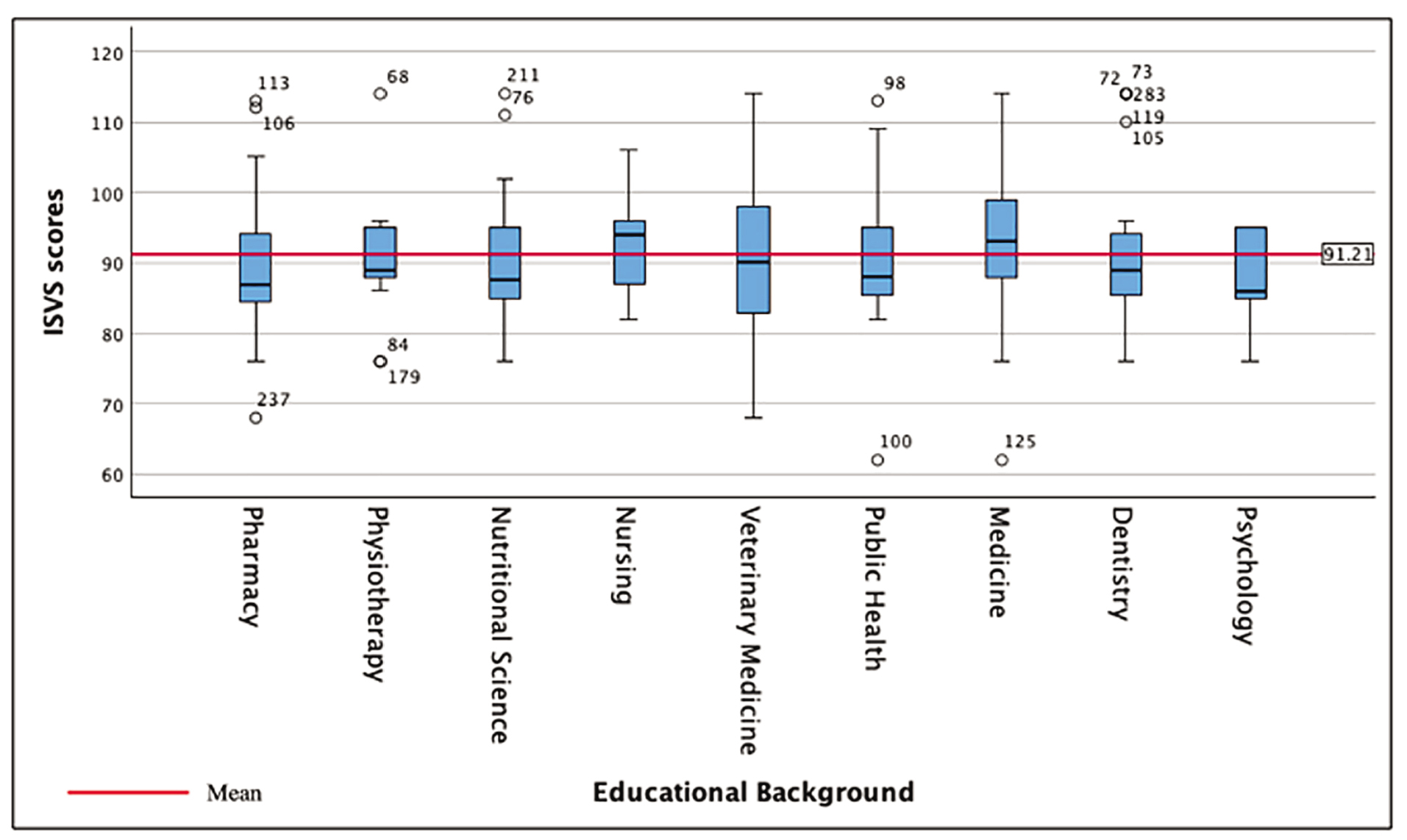
Figure 1. ISVS score distribution among study programs
The result shows that while overall ISVS item means are high (mostly 4.5–5.0), several items reveal significant differences across educational backgrounds, including ISVS 2 (Using common language), ISVS 3 (Awareness own role), ISVS 4 (Share ideas), ISVS 6 (Comfortable leader), ISVS 9 (Share evidence), ISVS 11 (Awareness other’ role), ISVS 16 (Value teamwork), ISVS 17 (Act collaboratively), ISVS 18 (Initiate discussion), and ISVS 21 (Value teamwork benefits). A predictive heatmap (Figure 2) further highlights these differences, illustrating that medical students exhibited the broadest profile, with multiple predictive items (ISVS 4, 11, 16, 21) reflecting strong emphasis on teamwork and role awareness. Nutrition and public health students showed distinct prioritization of patient involvement and collaborative decision-making (ISVS 12, 14, 17), physiotherapy and veterinary medicine highlighted discipline-specific strengths in teamwork values (ISVS 4, 19; ISVS 11, 16), while pharmacy and nursing students showed fewer predictive items (ISVS 6, 5), suggesting areas where interprofessional competencies might require reinforcement. Dentistry was distinguished primarily by ISVS 11, while psychology was characterized by ISVS 3, 11, and 16, associated with lower mean scores. Collectively, these findings underscore substantial variability in interprofessional orientation across disciplines, pointing to the need for tailored educational strategies.
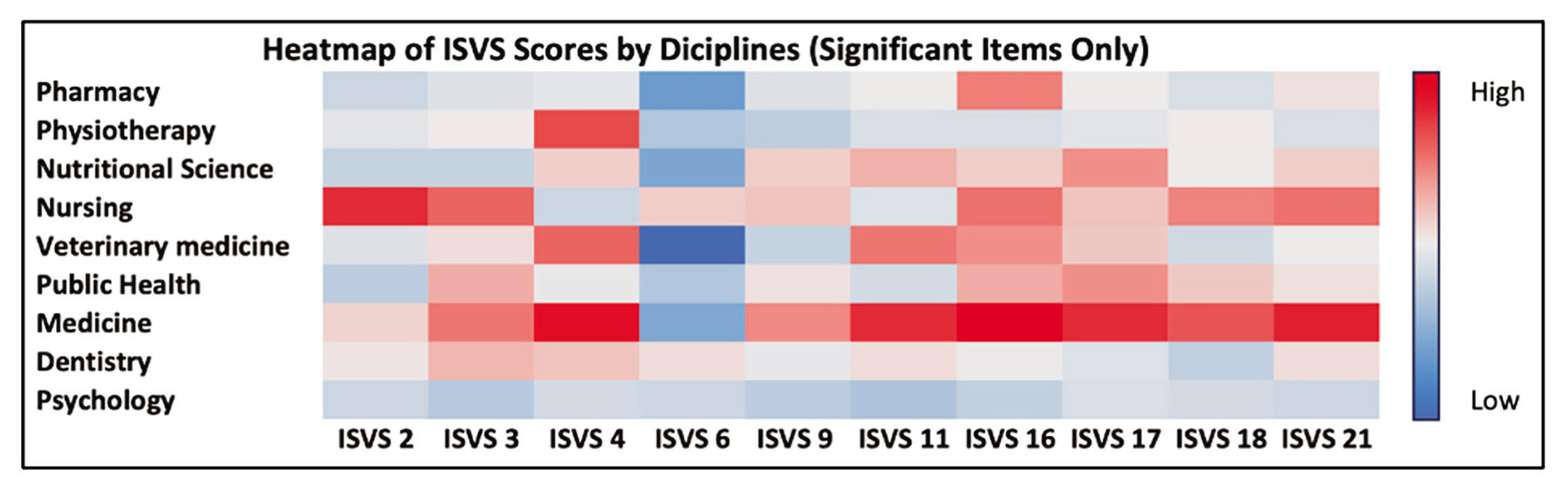
Figure 2. ISVS mean scores across disciplines (only for items with significant differences)
Qualitative Outcomes
To explore differences in collaborative experiences and interprofessional socialization, qualitative analysis focused on participants from four programs with the highest (nursing, medicine) and lowest (pharmacy, psychology) ISVS-19 scores (Table 1). Responses to three open-ended questions were examined using content analysis guided by the ISVS-19 framework. The analysis addressed collaboration challenges and perceived needs across high- and low-scoring groups. Through iterative comparison and consolidation, the analysis generated 24 initial codes, which were grouped into 3 categories and synthesized into three overarching thematic clusters: 1) effective collaborative practices, 2) challenges encountered in interprofessional collaboration, and 3) forms of support perceived to enhance collaboration. For clarity, quotes include the number of participants , ISVS group, and study program, abbreviated as pharmacy (Phar), physiotherapy (Phy), nutritional science (NutSc), nursing (Nurs), veterinary medicine (Vet), public Health (Pub), medicine (Med), dentistry (Dent), and psychology (Psy). Findings are summarized in Table 3.
| Reflective questions | Themes identified |
|---|---|
| What aspects of the collaborative practices during the program did you find most effective, why? | Highest ISVS scores (Medicine and nursing) |
| Effective collaboration | |
| Team appreciation | |
| Role clarity | |
| Lowest ISVS scores (Pharmacy and Psychology) | |
| Benefits of teamwork | |
| Effective collaboration | |
| Team communication | |
| What challenges did you experience while working with students from other professions, and how did you address them? | Personal attitudes |
| Ineffective communication | |
| Unclear roles and responsibilities | |
| What types of support do you believe would improve collaboration in future interprofessional programs? | Training and pre-program preparation |
| Improving interprofessional communication | |
| Collaborative awareness |
Effective Collaborative Practices
Analysis of participants’ reflections revealed several key themes related to effective collaborative practices during the CBIPE program. These themes encompassed coordination and active involvement of team solidarity, clarity of roles, supportive teamwork, joint planning, and communication. Differences in emphasis were observed between participants from higher- and lower-scoring programs, providing insights into how interprofessional socialization may shape collaborative experiences.
Participants from the highest-scoring programs underscored the importance of strong coordination and shared accountability. As one participant explained, “There was effective coordination among students from various health backgrounds, including doctors, nursing, physiotherapy, pharmacy, and nutrition” (P25, Med). Another participant reflected on translating coordination into practice, “We worked together to carry out the planned programs we had previously agreed upon” (P92, Nurs). Their experiences frequently emphasized solidarity, with one student stating, “What I appreciated the most is that we never had conflicts and always maintained the integrity of the teams” (P9, Med). Another participant emphasized the continued sense of unity, “We continuously maintained team spirit and solidarity” (P277, Nurs).
Such unity fostered psychological safety and strengthened their interprofessional identity. Role clarity was another defining element, one student explained, “We conducted health screening activities, and each profession was involved according to their area of expertise” (P6, Med). This clarity in role distribution allowed each discipline to contribute effectively and confidently within the scope of their expertise.
Meanwhile, students from lower-scoring programs described peer support and practical collaboration. One pharmacy student shared, “We helped each other to complete our work programs” (P233, Phar), illustrating teamwork built on mutual assistance rather than structured role division. Others valued joint implementation and shared responsibilities to enhance their teamwork, as reflected in “We organized a well-executed first aid training and worked together to educate the community” (P124, Phar). Communication was generally described as smooth, though often briefly, such as “Communication went well” (P227, Psy). This type of succinct response, echoed across multiple participants, suggests a general sense of ease in team interactions.
Challenges Encountered in Interprofessional Collaboration
Students with lower ISVS scores (Pharmacy and Psychology) described a range of challenges that hindered effective interprofessional collaboration during the program. Participants reflected on the challenges of managing individual characteristics within interprofessional teams, emphasizing how personal attitudes and work ethics could hinder effective collaboration. One participant noted, “Productive times vary for each individual. There are times when other members do not want to cooperate” (P115, Phar). Another participant expressed, “It’s hard to cooperate with lazy people” (P151, Psy). These insights reveal that even within structured teams, interpersonal differences can undermine collaborative efforts.
Participants also reported challenges in aligning perceptions and ideas with their teammates, indicating a need for interprofessional teams to cultivate mutual understanding and flexibility. One participant shared, “Communication and difficulty in aligning perceptions with other study programs are very challenging” (P131, Psy). Another reflected, “Sometimes I meet individuals who find it difficult to listen to the explanations I gave” (P106, Phar). These statements suggest that effective interprofessional collaboration requires not only clear communication but also openness to differing perspectives across disciplines.
Participants shared concerns about role ambiguity within the interprofessional team, which at times resulted in overlapping responsibilities or confusion during task execution. One participant noted, “There are members that are unaware of their specific responsibilities” (P123, Phar). Another described a situation of blurred professional boundaries, “Sometimes in practice our authority to give medicine to patients is replaced by other health workers such as nurses” (P109, Phar). These experiences indicate that in order to promote respect for one another and job efficiency in CBIPE, these experiences emphasize the necessity of clearly stated role expectations.
Forms of Support Perceived to Enhance Collaborative Practices
Analysis of students’ reflections identified three interconnected themes for strengthening interprofessional collaboration: (i) Training and pre-program preparation were frequently emphasized as a starting point for effective teamwork in areas such as communication, leadership, and conflict resolution. One participant remarked, “Teamwork and communication training because this is my first time dealing with other study programs” (P232, Phar). Another shared, “Capacity strengthening and team development need to be improved before carrying out activities directly to the regions” (P75, NutSc). A third emphasized, “We need further training related to inter-professional communication skills, so that we can be more effective in exchanging information and solving problems” (P25, Med). Collectively, these insights underscore the importance of pre-departure preparation in building team readiness and optimizing collaborative practice.
Building on this, students highlighted (ii) improving interprofessional communication as essential for sustaining collaboration in practice. They recognized that successful interprofessional teamwork relied on open dialogue and mutual understanding among all members. One participant noted, “Improve communication and mutual understanding, so the collaboration can be successful” (P211, NutSc). Another emphasized the importance of openness, stating, “Encouragement to have more open communication” (P115, Phar). These insights underscore the necessity of cultivating transparent and respectful communication practices within interprofessional teams to enhance collaborative outcomes.
Lastly, (iii) collaborative awareness as a theme reflecting values of mutual respect and shared accountability. These values were perceived as essential for creating a supportive environment during interprofessional collaboration. One participant shared, “Mutual openness and mutual understanding and each role has its own appropriate portion and is equally important in practice.” (P107, Phar). Another highlighted the role of individual initiative, stating, “Personal awareness to participate in completing the work program” (P152, Dent). These responses underscore how fostering interpersonal attitudes can enhance shared responsibility and strengthen team cohesion.
Integrated Quantitative and Qualitative Findings
Integration occurred at the item level, linking variations in ISVS-19 items related to teamwork, role awareness, and communication (e.g., ISVS 4, 11, 16, and 21) with qualitative themes describing coordination, role clarity, and collaborative challenges. The integration of quantitative ISVS-19 scores and qualitative themes generated both convergent and complementary insights into students’ interprofessional learning experiences during the CBIPE program. Convergence was evident when higher ISVS total and item-level scores, particularly in teamwork, role clarity, and interprofessional communication among Medicine and Nursing students, were reflected in qualitative accounts of effective coordination, shared responsibility, and clear role delineation. Complementary integration occurred and qualitative findings revealed quantitative differences across programs, with variations in ISVS items related to role understanding and communication elaborated by the themes highlighting role ambiguity, communication barriers, and differing levels of appreciation for teamwork. Together, these analytic linkages between qualitative themes and specific quantitative measures strengthened the explanatory power of the mixed-methods integration. The mixed methods integration is provided in Table 4.
| Focus Area | Quantitative Findings (ISVS / Preferences) | Qualitative Findings (Themes) | Integrated Insight | Relation |
|---|---|---|---|---|
| Program Differences | Medicine and Nursing scored highest on ISVS; Pharmacy and Psychology scored lowest (Kruskal–Wallis, p=0.025). | High-scoring programs (Medicine, Nursing): effective coordination, solidarity, role clarity. Low-scoring programs (Pharmacy, Psychology): unclear roles, poor communication, attitude challenges. | Quantitative differences mirrored in qualitative experiences, showing stronger collaboration in high-scoring programs and barriers in low-scoring programs. | ✓ Convergence |
| Specific ISVS Items | Significant between-program differences on ISVS 2, 3, 4, 6, 9, 11, 16, 17 (p<0.05). | Students highlighted role clarity, teamwork appreciation, and communication. | Qualitative insights explain why specific ISVS items differ across programs. | Δ Complementarity |
| Collaboration Preferences | Medicine most preferred (14.1%), followed by Dentistry (14.0%) and Nursing (13.2%); least preferred were Veterinary Medicine (11.7%) and Physiotherapy (10.9%). | Students described collaboration as easier with professions perceived as competent/cooperative; difficulties with partners seen as less aligned or committed. | Preferences align with perceptions of competence and collaborative ease, linking quantitative patterns with qualitative reasoning. | ✓ Convergence |
| Support Needs | Overall ISVS scores high but variability in teamwork-related items. | Requests for pre-program training, improved interprofessional communication, and awareness-building. | Both strands stress structured preparation and communication skill development as critical to enhance collaboration. | Δ Complementarity |
Discussion
This mixed-methods study examined how a 30-day Community-Based Interprofessional Education (CBIPE) placement shaped students’ interprofessional socialization, collaborative values, and preferences across nine health science disciplines. By integrating quantitative and qualitative findings, the study moves beyond identifying differences in ISVS-19 scores to explain why these differences occurred. While quantitative analysis revealed variations in interprofessional collaboration across programs, qualitative insights uniquely illuminated the contextual, relational, and experiential factors through which students internalized collaborative practice in an authentic community setting, insights that would not have been achievable using a single-method design alone.
A central strength of the study lies in the convergence between ISVS-19 outcomes and students’ narrative accounts. Medicine and Nursing, the highest-scoring programs, demonstrated consistently strong performance on teamwork- and role-related items such as ISVS 4 (share ideas), ISVS 11 (awareness of others’ roles), ISVS 16 (value teamwork), and ISVS 21 (value the benefits of teamwork). Students from these programs described clear role delineation, structured coordination, and shared accountability, indicating not only positive attitudes but behaviors aligned with more advanced interprofessional socialization. These patterns are consistent with developmental models in which interdependence, role clarity, and shared values reflect movement toward interprofessional identity ( 5 , 20 ). Medical students’ strong emphasis on teamwork and role awareness aligns with earlier clinical exposure and informal interprofessional learning opportunities typical of community or rural placements ( 26 , 27 ). Nursing students’ recognition of interprofessional identity (ISVS 5) also reinforces this trajectory although hierarchical structures may inhibit expression of leadership roles, as noted in prior literature ( 28 ).
Pharmacy and Psychology displayed narrower interprofessional profiles, with lower scores on items associated with teamwork, communication, and role clarity. Pharmacy students scored relatively higher on ISVS 6 (comfort assuming a leadership role) yet lower on teamwork-related items, reflecting a more task-oriented rather than interdependent collaborative stance. Similar trends have been identified in studies noting challenges in pharmacy students’ role clarity and inconsistent exposure to collaborative environments ( 29 ). Psychology students showed weaker performance on ISVS 3 (awareness of own role), ISVS 11 (awareness of others’ roles), and ISVS 16 (value teamwork), paralleling qualitative reflections describing role ambiguity and uncertainty when integrating into health teams, findings consistent with prior work ( 30 ). These convergent patterns reinforce the construct validity of the ISVS-19 by illustrating how item-level differences reflect meaningful distinctions in students’ interprofessional readiness.
The qualitative findings provide complementary insight into why these item-level differences emerged. Students from higher-scoring disciplines described repeated opportunities for shared planning, negotiation of responsibilities, and collaborative decision-making, experiences directly mapping onto ISVS items such as ISVS 17 (act collaboratively), ISVS 18 (initiate discussions), and ISVS 9 (share evidence to support decisions). These opportunities reflect the impact of clinically immersive learning environments on identity formation and collaborative capability ( 31 ).
In contrast, students from lower-scoring programs frequently described communication challenges, unclear role expectations, and limited prior exposure to interprofessional contexts. These experiences help explain lower scores on communication-related items such as ISVS 2 (use common language) and ISVS 18 (initiate discussion), illustrating how insufficient role clarity constrains the development of shared professional identity ( 5 , 12 ).
The prominence of role clarity and communication challenges in these narratives also aligns with broader evidence that effective interprofessional collaboration depends on shared understanding of responsibilities and coordinated information exchange ( 32 ), reinforcing the importance of these competencies within both education and practice.
Students’ collaboration preferences further underscore the influence of professional role visibility in interprofessional settings. Medicine, Dentistry, and Nursing, programs with higher ISVS performance in role awareness and teamwork (ISVS 4, 11, 16, 21), were consistently selected as preferred partners. Qualitative justifications highlighted perceived competence, clarity of professional contributions, and confidence in working with clinically central disciplines, aligning with longstanding observations of hierarchy and role visibility in health systems ( 33 ). Conversely, Pharmacy and Psychology, programs with lower scores on predictive items such as ISVS 3, 11, and 16, were less frequently selected and often associated with uncertainty regarding the scope of practice or relevance to community health ( 34 ). These complementary insights demonstrate how item-level values and competencies shape collaboration preferences and influence students’ comfort or discomfort when working across disciplines.
Taken together, the integrated findings suggest that CBIPE can support meaningful development of interprofessional socialization, but the depth of this development may depend on discipline-specific experiences, the clarity of role expectations, and the extent to which learners are immersed in authentic collaborative practice. Students consistently emphasized the need for preparatory training in communication, conflict resolution, and teamwork before community deployment, echoing earlier work showing the importance of structured and intentional scaffolding to support interprofessional learning ( 35 ). The qualitative data further suggest that role visibility and opportunities for genuine collaborative decision-making, not merely co-location, are essential if community-based experiences are to facilitate movement from cooperation toward integrated interprofessional identity.
Several limitations should be considered. ISVS-19 scores reflect self-reported perceptions, which may not fully represent observed behaviors and may be subject to ceiling effects that limit sensitivity to subtle differences in development ( 22 ). Moreover, although students’ collaborative behaviors and reported socialization offer valuable insight into interprofessional development, these perceptions cannot yet be directly linked to their capacity to deliver patient care, as the ISVS captures perceived teamwork rather than objective indicators of patient or community outcomes, an area that remains insufficiently developed in interprofessional research ( 32 ). The six-month interval between CBIPE participation and data collection, while appropriate for assessing sustained learning ( 20 ), may introduce recall bias. Qualitative reflections were brief and varied in depth, which may disproportionately affect insights from programs with limited interprofessional exposure. Furthermore, while item-level differences aligned with plausible explanations related to curricular structure, these mechanisms were not directly measured and should be interpreted cautiously.
Conclusion
This study demonstrates that community-based interprofessional placements can significantly enhance interprofessional socialization, particularly on items reflecting teamwork, role clarity, communication, and collaborative action, as measured by the ISVS. The integrated qualitative and quantitative evidence suggests that developmental trajectories differ across disciplines and are shaped by exposure, role visibility, and opportunities for authentic collaboration. Strengthening preparatory training, clarifying roles, and ensuring structured facilitation during CBIPE may help ensure equitable interprofessional development across disciplines and support the formation of a shared collaborative identity essential for community-based team practice.
Acknowledgement
The authors would like to express their sincere gratitude to all students from CBIPE UNHAS Batch 65 and the faculty members who generously participated in this study.
Authors’ Contribution
S.W contributed to the study’s conceptualization, methodology, software, formal analysis, investigation, data curation, writingoriginal draft preparation, writing-review and editing, visualization, supervision, and project administration. I.Y contributed to the study’sconceptualization, methodology, investigation, and supervision. B.D.A contributed to the study’s conceptualization, methodology, software, validation, formal analysis, investigation, writing-original draft preparation, and editing, visualization, supervision. I.NA contributed to the study’s software, validation, formal analysis, investigation, supervision. D.S contributed to the study’s software, formal analysis, data curation, investigation, writing review and editing, project administration.
Conflict of Interest
The authors declare no conflict of interest.
Declaration of AI
Artificial intelligence (GPT-5, ChatGPT) was used for translation support and English language proofreading. All outputs were reviewed and verified by the authors to ensure accuracy and integrity of the content before inclusion in the manuscript.
References
- Bendowska A, Baum E. The Significance of Cooperation in Interdisciplinary Health Care Teams as Perceived by Polish Medical Students. Int J Environ Res Public Health. 2023; 20(2):954.
- Zorek JA, Ragucci K, McKearney Sh, Breitbach A, Kirschling J, Singh P, et al. Interprofessional Education Collaborative. USA: IPEC core competencies for interprofessional collaborative practice: version 3; 2023.
- World Health Organization. Framework for Action on Interprofessional Education & Collaborative Practice. Geneva, Switzerland: WHO; 2010.
- Kauff M, Buhrmann T, Golz F, Simon L, Luers G, van Kampen S, et al. Teaching interprofessional collaboration among future healthcare professionals. Front Psychol. 2023; 14:1185730.
- Keshmiri F. Exploring the experiences of the team members in the interprofessional socialization process for becoming a interprofessional Collaborator. BMC Nurs. 2022; 21(1):366.
- Shakhman LM, Al Omari O, Arulappan J, Wynaden D. Interprofessional Education and Collaboration: Strategies for Implementation. Oman Med J. 2020; 35(4):e160.
- Thistlethwaite J, Kumar K, Moran M, Saunders R, Carr S. An exploratory review of pre-qualification interprofessional education evaluations. J Interprof Care. 2015; 29(4):292-7.
- Keshmiri F, Barghi TS. Interprofessional education in a community-based setting: An opportunity for interprofessional learning and collaboration. J Educ Health Promot. 2021; 10:298.
- Hosny S, Kamel MH, El-Wazir Y, Gilbert J. Integrating interprofessional education in community-based learning activities: case study. Med Teach. 2013; 35(Suppl 1):S68-73.
- Suwanchatchai C, Khuancharee K, Rattanamongkolgul S, Kongsomboon K, Onwan M, Seeherunwong A, et al. The effectiveness of community-based interprofessional education for undergraduate medical and health promotion students. BMC Med Educ. 2024; 24(1):93.
- Saragih ID, Hsiao CT, Fann WC, Hsu CM, Saragih IS, Lee BO. Impacts of interprofessional education on collaborative practice of healthcare professionals: A systematic review and meta-analysis. Nurse Educ Today. 2024; 136:106136.
- Kurowski-Burt AL, Evans KW, Baugh GM, Utzman RR. A community-based interprofessional education fall prevention project. Journal of Interprofessional Education & Practice. 2017; 8:1-5.
- Bally JMG, Spurr S, Hyslop S, Hodgson-Viden H, McNair ED. Using an interprofessional competency framework to enhance collaborative pediatric nursing education and practice. BMC Nurs. 2022; 21(1):147.
- Asmara FY, Bakri S, Dewi DP, Afifah DN, Kristina TN. Implementation of interprofessional education in community setting. Journal of Community Empowerment for Health. 2019; 2(2):222-8.
- Widyandana D. Evaluating interprofessional education principle in a longitudinal community-based program for 3 schools of health professions: medicine, nursing, and nutrition. The Indonesian Journal of Medical Education. 2018; 7(1):59.
- Ardyansyah BD, Cordier R, Brewer ML, Parsons D. Psychometric evaluation of the culturally adapted interprofessional socialisation and valuing scale (ISVS)-19 for health practitioners and students in Indonesia. J Interprof Care. 2024; 38(2):283-93.
- Plano Clark VL. Mixed methods research. The Journal of Positive Psychology. 2016; 12(3):305-6.
- Fetters MD, Curry LA, Creswell JW. Achieving integration in mixed methods designs-principles and practices. Health Serv Res. 2013; 48(6 Pt 2):2134-56.
- Friday N, Leah N. Types of Purposive Sampling Techniques with Their Examples and Application in Qualitative Research Studies. British Journal of Multidisciplinary and Advanced Studies. 2024; 5(1):90-9.
- Bradby M. Status passage into nursing: another view of the process of socialization into nursing. Journal of advanced nursing. 1990; 15:1220-5.
- King G, Orchard C, Khalili H, Avery L. Refinement of the Interprofessional Socialization and Valuing Scale (ISVS-21) and Development of 9-Item Equivalent Versions. J Contin Educ Health Prof. 2016; 36(3):171-7.
- Oates M, Davidson M. A critical appraisal of instruments to measure outcomes of interprofessional education. Med Educ. 2015; 49(4):386-98.
- Prinsen CAC, Mokkink LB, Bouter LM, Alonso J, Patrick DL, de Vet HCW, et al. COSMIN guideline for systematic reviews of patient-reported outcome measures. Qual Life Res. 2018; 27(5):1147-57.
- SPSS. Statistics for windows (version 26.0) [Internet]. IBM Corp.; 2019 [Cited 3 June 2019]. Available from: https://www.ibm.com
- Software V. MAXQDA 2024 [Computer software] [Internet]. 2024 ed. Berlin, Germany: VERBI Software; 2024 [Cited 7 April 2024]. Available from: https://www.maxqda.com
- Ardyansyah BD, Cordier R, Brewer M, Parsons D. Psychometric evaluation of the Australian interprofessional socialisation and valuing scale: An invariant measure for health practitioners and students. PLoS One. 2024; 19(9):e0309697.
- Thompson DS, Abourbih J, Carter L, Adams-Carpino G, Berry S, Graves LE, et al. Views from the field: Medical student experiences and perceptions of interprofessional learning and collaboration in rural settings. J Interprof Care. 2018; 32(3):339-47.
- Sunguya BF, Hinthong W, Jimba M, Yasuoka J. Interprofessional education for whom? --challenges and lessons learned from its implementation in developed countries and their application to developing countries: a systematic review. PLoS One. 2014; 9(5):e96724.
- El-Awaisi A, Joseph S, El Hajj MS, Diack L. A comprehensive systematic review of pharmacy perspectives on interprofessional education and collaborative practice. Res Social Adm Pharm. 2018; 14(10):863-82.
- Oxlad M, Turnbull D, Skinner V, Lekkas D. Undergraduate psychology and dental students’ perceptions of interprofessional learning when using motivational interviewing to encourage health behaviour change: a mixed methods study. Australian Psychologist. 2021; 56(5):417-26.
- House JB, Cedarbaum J, Haque F, Wheaton M, Vredeveld J, Purkiss J, et al. Medical student perceptions of an initial collaborative immersion experience. J Interprof Care. 2018; 32(2):245-9.
- Ardyansyah BD, Cordier R, Brewer M, Parsons D. Development and Testing of a Patient Outcome Measure for Interprofessional Tuberculosis Care: A Delphi Study. Emerging Science Journal. 2025; 9(1):131-47.
- Bleakley A. The dislocation of medical dominance: making space for interprofessional care. J Interprof Care. 2013; 27(Suppl 2):24-30.
- Hickey EL, Dumke EK, Ballentine RL, Brown BL. Prospective health students' perceptions of the pharmacist role in the interprofessional team. J Interprof Care. 2018; 32(2):250-3.
- El-Awaisi A, Anderson E, Barr H, Wilby KJ, Wilbur K, Bainbridge L. Important steps for introducing interprofessional education into health professional education. Journal of Taibah University Medical Sciences. 2016; 11(6):546-51.


