
Introduction
Education is the key to realizing the innate potential within every individual. It is not merely the transmission of knowledge but a dynamic process that involves assessing learners’ levels and making informed decisions to facilitate accelerated learning (1, 2). In medical education, clinical teaching serves as the primary source of learning and the foundation for shaping students’ professional identity, often regarded as the heart of professional education (3, 4). Clinical instructors are central to the quality of the learning environment; unlike in purely didactic settings, clinical educators assume multiple roles simultaneously and adapt to diverse situations throughout the day (5). Expert clinical faculty integrate professional medical practice with effective teaching, serving as role models, mentors, and problem-solvers for learners (6, 7).
Expertise in clinical teaching is an experiential capability that cannot be fully acquired through formal classroom education; rather, it emerges through reflection and iterative practice (8, 9). Experts possess both analytical understanding and intuitive judgment, which develop progressively through experience. Previous studies have emphasized characteristics of effective or “good” faculty—such as knowledge, ethical conduct, communication skills, and respect for students—, but these attributes alone do not elucidate the process through which the faculty attain expertise (10, 11). Comparative research has highlighted differences between novices and experts, including superior domain-specific performance, pattern recognition, rapid problem-solving, enhanced memory, greater analytical skills, and self-regulatory capacity (11-13).
Several frameworks have described stages of expertise in teaching, including Persky’s novice-to-expert progression, Berliner’s five-stage model, Glaser’s three-phase framework, and Dreyfus’s five-level model, which integrates cognitive, social, and practical dimensions (9, 14, 15). While informative, these models often address general educators or emphasize cognitive skill acquisition, neglecting the multidimensional, context-dependent, and profession-specific nature of clinical teaching expertise. Given the complexity and high-stakes environment of medical education, it is unreasonable to expect novice instructors to achieve expertise immediately; understanding the mechanisms and dimensions that facilitate this progression is, therefore, critical.
Conceptual Gap
Despite the growing body of literature on medical education and faculty development, a significant conceptual gap remains in understanding how clinical medical teachers develop expertise over time, particularly within real-world educational and clinical settings. Most previous studies have primarily focused on competency frameworks or isolated training interventions, rather than exploring the dynamic, context-dependent process of expertise development. Furthermore, limited attention has been paid to the underlying processes, interactions, and experiential factors that shape this development from the perspective of clinical educators themselves. Specifically, existing research lacks: a) process-oriented models that explain the non-linear, gradual transformation from competent clinician to expert educator; b) context-specific understanding of how organizational factors (e.g., treatment-centric culture, triple pressures) shape expertise development; and c) integration of experiential and reflective dimensions that go beyond checklists of competencies to capture the lived experience of expert clinical teachers.
This conceptual gap cannot be adequately addressed by quantitative methods alone. What is needed is a qualitative approach that can uncover the subjective meanings, social interactions, and contextual processes underlying the formation of clinical teaching expertise. Grounded theory, as a systematic qualitative methodology, is specifically designed to discover psychosocial processes in their natural context and to generate a core category that explains how and why a phenomenon occurs. Given that this study aims to find out the process of “becoming” an expert clinical teacher and to understand the strategies faculty employ in response to environmental challenges and pressures, grounded theory is the most appropriate methodological choice. Therefore, this study was designed to develop a grounded theory of the expertise development process among clinical medical faculty, with special attention to the context of clinical education in Iran.
Strengths of the Study
This study has several notable strengths. The use of Grounded Theory methodology as a systematic qualitative approach enabled the discovery of the underlying psychosocial processes through which clinical medical faculty gradually develop educational expertise. This method is particularly well-suited for generating data-driven theory regarding how and why a phenomenon occurs within its natural context.
The inclusion of participants with diverse academic ranks (ranging from instructor to full professor), various clinical specialties, and different backgrounds in clinical education enhanced the richness of the data and contributed to the credibility and transferability of the findings.
Conducting the study within real clinical and educational settings (such as hospital wards, outpatient clinics, and clinical classrooms) and within the specific context of medical education in Iran allowed for the identification of unique contextual factors shaping expertise development—factors overlooked in previous linear and decontextualized models.
The resultant Grounded Theory model, in contrast to existing frameworks that are largely descriptive or prescriptive, depicts a non-linear, iterative, and interactive process. This model can serve as a roadmap for faculty development programs in academic medical centers and provide a foundation for future research on how to support the trajectory from competent clinician to expert educator.
Adherence to the COREQ (Consolidated Criteria for Reporting Qualitative Research) standards improved the transparency, rigor, and evaluability of the study, thereby facilitating comparison and potential replicability of the findings in similar contexts.
Methods
Study Design and Setting
This qualitative research was conducted from May 2024 to September 2025, employing a grounded theory approach. This approach facilitates the assessment of the nature, structure, process, and determining factors of exposure to social phenomena within their natural context (16). The article adheres to the consolidated criteria for reporting qualitative research (COREQ) (17).
Study Participants and Sampling
Initial participants were recruited through purposive sampling. Snowball sampling was used solely as a recruitment technique during the early phase to identify additional information-rich participants. Following initial data analysis, theoretical sampling was employed to refine and elaborate the developing theory. Sample size was determined by theoretical saturation rather than a predetermined number. Data collection and analysis were conducted concurrently, and participants were recruited iteratively until no new conceptual insights were obtained.
Primary participants were clinical faculty members with the following criteria: 1) a minimum of five years of clinical teaching experience, 2) recognized teaching competence by peers and department heads, and 3) willingness to participate in the study. To enrich category development, we included two medical students in the clinical phase of training as supplementary participants during the theoretical sampling stage. Inclusion criteria for students were: 1) being in the clinical phase of medical education (clerkship or internship), 2) having at least six months of direct clinical teaching experience under the supervision of clinical faculty members, 3) being willing to participate, and 4) being able to provide informed consent. Exclusion criteria included unwillingness to continue participation, withdrawal of consent at any stage, and inability to complete the interview process.
Sampling continued until theoretical saturation was achieved, resulting in 15 participants (13 clinical faculty members and 2 medical students). No eligible participant refused to participate or dropped out.
Data Collection Tool and Technique
Data were collected through semi-structured, in-depth interviews guided by a protocol developed based on a literature review and expert consultation. Ethical approval was obtained from the Ethics Committee of Iran University of Medical Sciences (IR.IUMS.FMD.REC.1402.521). After receiving the necessary institutional permissions, the researcher contacted potential participants, introduced himself, explained the study objectives, responded to their questions, and invited them to interviews. Following voluntary agreement, written informed consent was obtained from all participants, and a suitable time for the interview was scheduled. Interviews were conducted face-to-face at participants’ workplaces.
Demographic information, including age, educational level, years of clinical teaching experience, and academic rank, was systematically recorded. At the outset of each interview, the following open-ended question was posed: “Please describe your experiences regarding the process of becoming an expert.” Participants were then asked: “Please provide examples of your experiences in transitioning from novice to expert so that I may better understand how this process unfolds.” The interview then continued with questions formulated based on the participants’ responses.
Throughout the interviews, exploratory questions consistent with grounded theory methodology were used, including: “What happened subsequently?”, “What was your reaction?”, “What actions did you take?”, “What was the outcome of this reaction?”, and “Could you please provide an illustrative example?” All interviews were audio-recorded with the explicit permission of each participant. Interviews lasted from 30 to 50 minutes each (mean 45 minutes), were transcribed verbatim, and analyzed line by line.
Theoretical Sampling and Saturation
Subsequent interviews were strategically organized to address the gaps identified within the emerging theoretical framework, utilizing data derived from previous interviews. The formulation of interview questions was grounded in theoretical sampling principles. Key informants were purposefully selected to ensure maximum variation across gender, academic rank, specialty area, and years of professional experience. Emerging insights from ongoing analysis informed subsequent interviews, allowing theoretical sampling and progressive refinement of the key concepts.
Data saturation was achieved following 15 interviews. Nevertheless, four additional interviews were conducted to ensure the data were comprehensive and adequate as a precautionary measure. Each participant was interviewed once. Interviews with two medical students were deemed essential to address data gaps regarding their roles and experiences in the development of clinical faculty members’ expertise. Students were included exclusively to offer complementary perspectives and did not serve as primary informants. They were not used to claim theoretical saturation, which was achieved solely through faculty interviews.
Analysis Method
In this study, data collection and analysis were conducted concurrently and in a non-linear and iterative manner, such that each subsequent interview was informed by the data collected and analyzed from the previous one. This iterative process enabled data collection based on emerging concepts. The analytical method employed was the Corbin and Strauss (2015) approach to meaningfully interpret the data and derive the concepts relevant to the entire dataset. This method encompassed the following dimensions:
- Open and substantive coding
- Development of subcategories and subsequently categories as concepts, based on their characteristics and dimensions
- Contextual analysis of data
- Identification of the process
- Integration of categories to develop the themes
- Presentation of the storyline and theory (18).
Interviews were transcribed verbatim and read multiple times to gain a comprehensive understanding of the participants’ statements. During transcription, meticulous attention was paid to capturing all nuances in the data. Meaning units were identified in the data, and corresponding codes were assigned. Through constant comparison of similarities and differences, the codes were organized and grouped into subcategories. The data were then conceptualized, and the categories were developed based on the researcher’s interpretation. Analytical memos, written during the interviews, guided theoretical sampling and facilitated the exploration of diverse and previously unexamined aspects of the phenomenon and process. This approach contributed to the evolution and formation of the themes as theoretical concepts and of the overarching theory.
Ensuring Methodological Rigor
To ensure the trustworthiness of this qualitative study, the four criteria proposed by Lincoln and Guba (1985)—credibility, dependability, confirmability, and transferability—were rigorously applied. The strategies employed for each criterion are outlined below:
- 1. Credibility (confidence in the truth of findings) was established through: a) prolonged engagement with participants throughout the study period; b) iterative member checking to verify interpretations of interview data; c) peer debriefing with experienced qualitative researchers to reflect on analytical decisions; and d) triangulation of data sources from both clinical faculty and students.
- 2. Dependability (stability and consistency of data) was achieved via: a) an audit trail documenting all analytical decisions and coding processes; b) explicit documentation of the constant comparative method; and c) reflexive journaling to minimize bias during data interpretation.
- 3. Confirmability (findings shaped by participants’ responses, not researcher bias) was ensured through: a) an external audit by an independent qualitative researcher; b) cross-verification of the codes against multiple data sources; and c) maintenance of analytical memos throughout the study.
- 4. Transferability (applicability to other contexts) was supported by: a) thick, rich descriptions of the research setting and participants’ characteristics; b) illustrative direct quotations from the participants; and c) contextual clarity regarding institutional challenges such as workload and generational differences.
Summary
By rigorously addressing credibility, dependability, confirmability, and transferability, the study ensured methodological rigor and the trustworthiness of the findings. Each criterion was systematically applied through engagement, iterative validation, transparent documentation, and contextual description, allowing the readers to interpret and apply the results confidently.
Ethical Considerations
The study was approved by the Ethics Committee of Iran University of Medical Sciences (IR.IUMS.FMD.REC.1402.521). All participants provided written informed consent and were assured of the right to withdraw at any time. Confidentiality and anonymity were maintained throughout.
Results
Analysis of interviews with 13 clinical faculty members (with supplementary input from medical students in clinical training) revealed a dynamic, multidimensional process of the development of clinical teaching expertise.
A total of 15 participants were included in the study, comprising 13 faculty members (86.7%) and 2 students (13.3%). The academic ranks of faculty members were as follows: 2 assistant professors (13.33%), 7 associate professors (46.66%), and 4 full professors (26.66%). The participants included 9 males (60%) and 6 females (40%). Most participants were married (12, 80.0%), while 3 (20.0%) were single (Table 1).
| Variable | Category | Frequency (n) | Percentage (%) |
|---|---|---|---|
| Academic Status | Student | 2 | 13.3 |
| Faculty | 13 | 86.7 | |
| Academic Rank | Student – Clinical Clerkship | 2 | 13.33 |
| Assistant Professor | 2 | 13.33 | |
| Associate Professor | 7 | 46.66 | |
| Full Professor | 4 | 26.66 | |
| Gender | Male | 9 | 60 |
| Female | 6 | 40 | |
| Marital Status | Married | 12 | 80.0 |
| Single | 3 | 20.0 |
Analysis of the interview data identified five main themes and several related subthemes that describe the development of clinical teaching expertise. These themes reflect the participants’ experiences of how expertise evolves over time in clinical education settings (Table 2).
| Theme | Subtheme | Representative Codes |
|---|---|---|
| 1. Reflection and Competence Development | Progressive skill development | Continuous self-improvement; incremental growth; cognitive and technical enhancement; mentorship support |
| Clinical reasoning development | Structured decision-making; novice-to-expert progression; guided reasoning | |
| Reflective integration of experience | Feedback utilization; reflective practice; experiential consolidation | |
| 2. Experiential Learning and Clinical Observation | Learning through observation | Clinical exposure; mentor guidance; workplace learning |
| Learning from errors | Error analysis; self-correction; confidence building | |
| Learning in complex situations | Crisis management; situational learning; contextual adaptation | |
| 3. Mentorship and Knowledge Transfer | Clinical mentoring practices | Skill demonstration; structured supervision; guided learning |
| Teaching strategies and pedagogy | Stepwise instruction; learner-centered teaching; feedback integration | |
| Role modeling | Professional identity formation; inspirational teaching; empathy-based mentoring | |
| 4. Motivational and Contextual Influences | Motivation and learner autonomy | Self-directed learning; responsibility development; professional engagement |
| Supportive learning environment | Trust building; emotional support; sense of belonging | |
| Organizational and cultural influences | Institutional support; educational culture; resource constraints | |
| 5. Barriers and Professional Transformation | Individual and faculty-related barriers | Burnout; time limitation, and lack of pedagogical training |
| Student-related barriers | Low engagement; insufficient preparation; lack of responsibility | |
| Professional transformation process | Evidence-based updating; identity shift; clinical-to-educator transition; adaptive expertise |
The five themes were:
- Reflection and Competence Development
- Experiential Learning and Clinical Observation
- Mentorship and Knowledge Transfer
- Motivational and Contextual Influences
- Barriers and Professional Transformation
Theme 1: Reflection and Competence Development
This theme captures the participants’ emphasis on reflection as a central mechanism for improving teaching competence. Reflection was described as a continuous process integrated into daily clinical practice.
Subthemes:
1.1 Progressive Skill Development
Participants referred to continuous self-improvement, incremental growth, and the enhancement of cognitive and technical abilities over time. Mentorship support was also identified as a facilitating factor in this process.
“Every day I reviewed my performance and reflected on what I could do better” (Participant 5).
1.2 Clinical Reasoning Development
Participants emphasized the importance of structured decision-making, progression from novice to expert levels, and the use of guided reasoning strategies in clinical teaching.
“At first, I had to provide a rationale for every decision, and my mentor would correct my thought processes. However, over time and with repeated clinical encounters, I learned how to make quick, structured, and accurate decisions” (Participant 4).
1.3 Reflective Integration of Experience
Participants reported using feedback, engaging in reflective practice, and consolidating learning experiences as strategies for integrating experience into their teaching competence.
“You always have to question your own performance and strive for improvement” (Participant 1).
Theme 2: Experiential Learning and Clinical Observation
This theme captures the participants’ emphasis on developing expertise through direct clinical experience and observation of senior clinicians. Experiential learning was described as a foundational mechanism for acquiring both clinical and teaching competencies.
Subthemes:
2.1 Learning through Observation
Participants highlighted the importance of clinical exposure, mentor guidance, and workplace learning as key sources of implicit and explicit knowledge acquisition.
“We learned a lot just by watching experienced professors” (Participant 8).
“Experience puts you in different situations and helps you grow” (Participant 3).
2.2 Learning from Errors
Errors were described as valuable opportunities for error analysis, self-correction, and confidence building. Participants noted that mistakes, when reflected upon, contributed significantly to professional growth.
“You learn more from mistakes than from routine work” (Participant 1).
2.3 Learning in Complex Situations
Exposure to complex and unpredictable clinical cases was identified as a critical factor in enhancing crisis management skills, situational learning, and contextual adaptation.
“In critical situations, you really understand how to think and act” (Participant 10).
Theme 3: Mentorship and Knowledge Transfer
This theme reflects the role of mentorship, clinical guidance, and role modeling in transferring knowledge and shaping teaching practices. Participants emphasized that structured supervision and guided learning experiences are fundamental to developing clinical teaching expertise.
Subthemes:
3.1 Clinical Mentoring Practices
Participants described mentorship as essential for professional development, highlighting the importance of skill demonstration, structured supervision, and guided learning.
“A good mentor shapes how you think and teach” (Participant 9).
3.2 Teaching Strategies and Pedagogy
Participants reported using stepwise instruction, learner-centered teaching approaches, and feedback integration as core pedagogical strategies.
“Teaching should be step-by-step and adapted to the learner” (Participant 4).
3.3 Role Modeling
Faculty members highlighted the importance of modeling professional and educational behaviors, noting that role modeling contributes to professional identity formation, inspirational teaching, and empathy-based mentoring.
“Students learn more from what we do than what we say” (Participant 7).
Theme 4: Motivational and Contextual Influences
This theme describes the effect of motivation, learner autonomy, and environmental factors on the development of teaching expertise. Participants emphasized that both individual and contextual elements play a critical role in shaping effective clinical teaching.
Subthemes:
4.1 Motivation and Learner Autonomy
Participants emphasized fostering self-directed learning, developing responsibility, and promoting professional engagement among students.
“Encouraging students is one of the most important parts of teaching” (Participant 1).
4.2 Supportive Learning Environment
Creating a trusting and emotionally supportive environment was considered essential for fostering a sense of belonging and facilitating effective learning.
“Students learn better when they feel supported” (Participant 2).
4.3 Organizational and Cultural Influences
Participants noted that institutional support, educational culture, and resource constraints significantly influenced teaching practices.
“Sometimes the system doesn’t support teaching enough” (Participant 10).
Theme 5: Barriers and Professional Transformation
This theme describes the challenges participants encountered and the transformative outcomes that resulted from overcoming them. Participants reported that navigating barriers ultimately contributed to their professional growth and to a shift in their identity from clinician to educator.
Subthemes:
5.1 Individual and Faculty-Related Barriers
Participants identified burnout, time limitations, and lack of pedagogical training as major individual and faculty-related challenges.
“Heavy workload leaves little time for proper teaching” (Participant 6).
5.2 Student-Related Barriers
Lack of engagement, insufficient preparation, and irresponsibility among students were reported as significant student-related challenges.
“Some students are not motivated enough to learn” (Participant 3).
5.3 Professional Transformation Process
Despite the aforementioned barriers, participants described a gradual transformation toward becoming effective educators. This process included evidence-based updating, identity shift, transition from clinician to educator, and the development of adaptive expertise.
“Over time, you change from just a clinician to someone who teaches and mentors” (Participant 9).
As illustrated in Table 2, developing clinical teaching expertise involves a continuous interplay between reflection, experience, mentorship, feedback, and adaptive teaching. These interconnected dimensions provided the basis for constructing the paradigmatic model shown in Table 2.
Themes and Subthemes: The five main themes capture the multidimensional, interconnected aspects of clinical teaching expertise development. Each theme is further divided into subthemes that illustrate specific components of the process.
Representative Codes: These codes provide concrete examples of behaviors, strategies, and experiences expressed by participants, derived from iterative thematic analysis of interviews, memos, and field notes.
Hierarchy and Consistency: Themes → Subthemes → Codes provide a clear hierarchical structure that ensures consistency across the manuscript and facilitates comprehension of the developmental process of clinical educators.
Integration and Practical Use: The five themes collectively highlight the dynamic interplay among personal reflection, experiential learning, mentorship, motivational strategies, and barriers in clinical and organizational contexts, forming the foundation for a conceptual model of expertise development.
The relationships among these categories were conceptualized using Corbin and Strauss’s (2015) paradigmatic model. This model illustrates how causal conditions, contextual factors, and strategies interact to shape the outcome—namely, the emergence of expert clinical educators.
As shown in Table 3, the interactions among these five themes illustrate how reflective practice, experiential learning, mentorship, motivational strategies, and organizational context collectively shape professional growth and outcomes in clinical educators.
| Main Findings | Key Interactions / Relationships | Outcomes |
|---|---|---|
| Reflection and Competence Development | Facilitates continuous self-improvement, decision-making, and integration of experience | Enhanced teaching skills; personal growth; professional identity as educator |
| Experiential Learning and Clinical Observation | Supports learning from mistakes and complex situations | Better clinical reasoning; adaptive expertise; practical knowledge application |
| Mentorship and Knowledge Transfer | Guides students and junior faculty; role modeling; knowledge sharing | Increased learner engagement; formation of clinical learning communities |
| Motivational and Contextual Influences | Builds trust, accountability, and motivation; aligns organizational culture | Supportive learning environment; sustainable teaching practices; student autonomy |
| Barriers and Professional Transformation | Recognizes constraints, workload, and generational differences; encourages adaptation | Overcoming obstacles; professional growth; flexibility, and continuous learning |
Core Concept
Based on a comprehensive analysis of the qualitative data, the core concern identified is “gradual transformation toward expertise.” This concern reflects the complex and challenging path that clinical faculty members traverse to achieve high levels of professional competence. The “process of gradual transformation toward expertise” refers to the dynamic, multidimensional journey through which a clinical faculty member evolves from novice to expert. This evolution occurs through gaining experience, continuous reflection, and perpetual learning. This process is not merely about acquiring technical and specialized skills; it also encompasses a profound transformation in attitude, insight, and professional identity. The key characteristics of this core concern are its gradual nature, dynamism, transformative quality, multidimensionality, and context-dependency. Expertise is not achieved overnight; it takes time and the accumulation of diverse experiences. This process is constantly evolving, which requires continuous adaptation to new conditions. Furthermore, it involves multiple cognitive, practical, attitudinal, and emotional dimensions and is dependent on the specific organizational context.
Data Analysis for the Context
The development of expertise among clinical faculty is shaped by six foundational contextual factors: 1) the complex and dynamic nature of clinical education; 2) the need for continuous development of scientific, professional, and ethical competencies; 3) the existence of generational differences in teaching and learning styles; 4) workload and clinical pressures on professors; 5) the necessity of integrating practical experience with scientific evidence; and 6) an organizational culture inclined toward treatment over education. Each factor is addressed in the following subsections in the same order.
1. The Complex and Dynamic Nature of Clinical Education
Participants described the unpredictable, authentic nature of clinical education as fostering a complex, dynamic environment. In this context, professors reported that they could not rely on fixed lesson plans; rather, they must employ advanced cognitive abilities and demonstrate multidimensional mastery across scientific, practical, situational, and communicative competencies. Participants further indicated that expert faculty members developed what may be termed “mental patterning”—an ability to rapidly recognize clinical patterns and act as the team’s cognitive anchor during critical situations.
“When facing unpredictable situations, an expert professor demonstrates a unique ability for mental patterning. This means they can quickly recognize similar clinical patterns across different situations and convey this understanding to the student” (Participant 10).
“A good expert professor knows how to integrate teaching during practical work. For example, during a resuscitation, they teach a point that remains in the mind for years” (Participant 7).
2. The Need for Continuous Development of Scientific, Professional, and Ethical Competencies
Participants described the journey toward expertise as requiring a commitment to lifelong learning that goes beyond accumulating practical experience. Faculty members reported that this process includes continuously enhancing knowledge, clinical skills, and professional ethics. Participants indicated that faculty members must establish personal standards, engage in reflective practice, and persistently strive for holistic self-improvement.
“Setting a standard for oneself and striving to achieve it is a cornerstone of attaining expertise. This mindset drives professors toward continuous growth and professional excellence” (Participant 6).
“It is necessary to update oneself with current knowledge and reflect on all matters” (Participant 2).
“Faculty members must learn teaching skills, and in new ways; that is, there should be courses for them on how to teach better, not just how to perform better surgery” (Participant 11).
3. The Existence of Generational Differences in Teaching and Learning Styles
Participants reported that generational differences in learning and teaching styles significantly shaped faculty expertise. Professors trained in traditional educational paradigms now teach students accustomed to interactive and digital methods. Participants indicated that this divide posed challenges in communication, technological proficiency, and educational culture. Faculty members further noted that by recognizing and adapting to these differences, professors could transform potential obstacles into opportunities to enhance teaching quality.
“Conversely, a generational gap exists regarding both technological proficiency—specifically in Internet mastery—and, to a certain extent, cultural perspectives.. Certainly, the behavior and prevailing culture among the new generation are very different from ours” (Participant 12).
“This generational gap between traditional teaching style and modern learning style sometimes causes discouragement on both sides” (Participant 9).
4. Workload and Clinical Pressures on Professors
Participants reported that clinical faculty operated under multiple, often conflicting pressures, including high patient volumes, teaching responsibilities, and research expectations. Faculty members indicated that these combined pressures limited time and energy available for educational activities. Participants further noted that the intensity of work schedules and the priority of treatment duties reduced the depth and quality of educational interaction.
“Expert professors don’t have enough time for teaching. The number of patients, number of shifts, and workload pressure are all high. Naturally, the professor’s energy is depleted, and when tired, they no longer have the patience to teach the details” (Participant 6).
“Treatment always competes with education, and treatment always wins” (Participant 1).
5. The Necessity of Integrating Practical Experience with Scientific Evidence
Participants indicated that expert faculty members bridged experiential knowledge with scientific evidence, ensuring that teaching and clinical practice are evidence-based. Faculty members reported that this integration enhanced the quality of education, modeled critical thinking for learners, and fostered adaptive expertise.
“When they can apply the knowledge they have previously acquired and practically see how it can be used to solve clinical problems” (Participant 15).
6. An Organizational Culture Inclined toward Treatment over Education
Participants reported that in many clinical environments, treatment services were given absolute priority, and education was regarded as secondary and peripheral. Faculty members indicated that this organizational culture impeded the development of expert faculty and the allocation of sufficient resources to clinical education. Participants further noted that changing this culture from a purely treatment-centered approach to a balance between treatment and education required managerial commitment and a redefinition of education’s place in the mission of academic medical centers.
“Unfortunately, the culture in some of our hospitals becomes an obstacle to growth. When a professor wants to grow, not only is there no support for their development, but obstacles are also placed in their path” (Participant 10).
Integrating the Process into the Analysis
Data analysis revealed that expert clinical professors employ a set of core strategies throughout their professional development. These strategies are presented below with representative quotes.
1. Gradual Development and Maturation of Skills through Experience, Observation, and Reflection
Participants reported that expert professors developed their skills progressively through a cycle of practical experience, active observation of role models, and systematic reflection on their own performance.
“Every day I was striving hard for my personal growth; every day I had a look back and reflected” (Participant 5).
2. Effective Transfer of Knowledge and Skills through Role Modeling and Mentoring
Participants indicated that, beyond direct teaching, expert professors transfer professional competence by serving as role models and mentors and by establishing constructive relationships with learners.
“Now that I am in the position of a professor, I try to transfer that model of holistic thinking and informed decision-making to the students because I think this is exactly what makes ‘expertise’” (Participant 9).
3. Paradigm Shift in Education: Using Modern Educational Methods
Participants reported that expert professors distanced themselves from traditional teacher-centered approaches and adopted a student-centered paradigm. Faculty members indicated that they acted as facilitators of learning rather than sole sources of knowledge.
“The professor is not someone who teaches what he knows... you tell him what he needs to learn” (Participant 1).
4. Situational Decision-Making and Evidence-Based Analysis in the Clinical Environment
Participants indicated that expert professors adapted their knowledge to complex and variable clinical situations. Faculty members reported that repeated exposure to diverse clinical encounters strengthened their analytical and decision-making abilities.
“What does the experience factor do? It places him in front of different situations and conditions” (Participant 3).
5. Creating Motivation and Responsibility in Students
Participants reported that expert professors employed a deep understanding of learning psychology and students’ emotional states to foster motivation and responsibility, using encouragement as a primary tool.
“Giving motivation and using carrot and stick policy, encouragement more than threat... the specific discouragement that exists in students, encouragement is effective” (Participant 1).
6. Educational Leadership and Trust-Building in the Clinical Team
Participants indicated that expert professors played a central role in fostering cooperation and team culture in complex clinical settings. Faculty members reported that they sought to create positive and sustainable change in the educational environment.
“When I became a faculty member, I really wanted to be a place of effect” (Participant 2).
Summary
The strategies employed by expert clinical professors encompass six core approaches: 1) gradual skill development through experience, observation, and reflection; 2) effective knowledge transfer via role modeling and mentoring; 3) paradigm shift toward modern, student-centered educational methods; 4) situational decision-making grounded in evidence-based analysis; 5) increased student motivation and responsibility; and 6) educational leadership and trust-building within the clinical team.
Integration of Categories and Elucidation of the Research Theory
The formation of expertise in clinical medicine faculty is a dynamic and multidimensional process that begins with causal conditions such as the complexity of the clinical environment, the need for continuous growth, generational differences, and environmental pressures.
At the core of this process lies the central phenomenon of “transformation towards expertise,” realized through mechanisms such as skill development through practical experience, knowledge transfer through role modeling, and the use of modern educational methods. These interconnected elements are visually represented in Figure 1 as the theory of “the clinical medical teacher’s expertise process”.
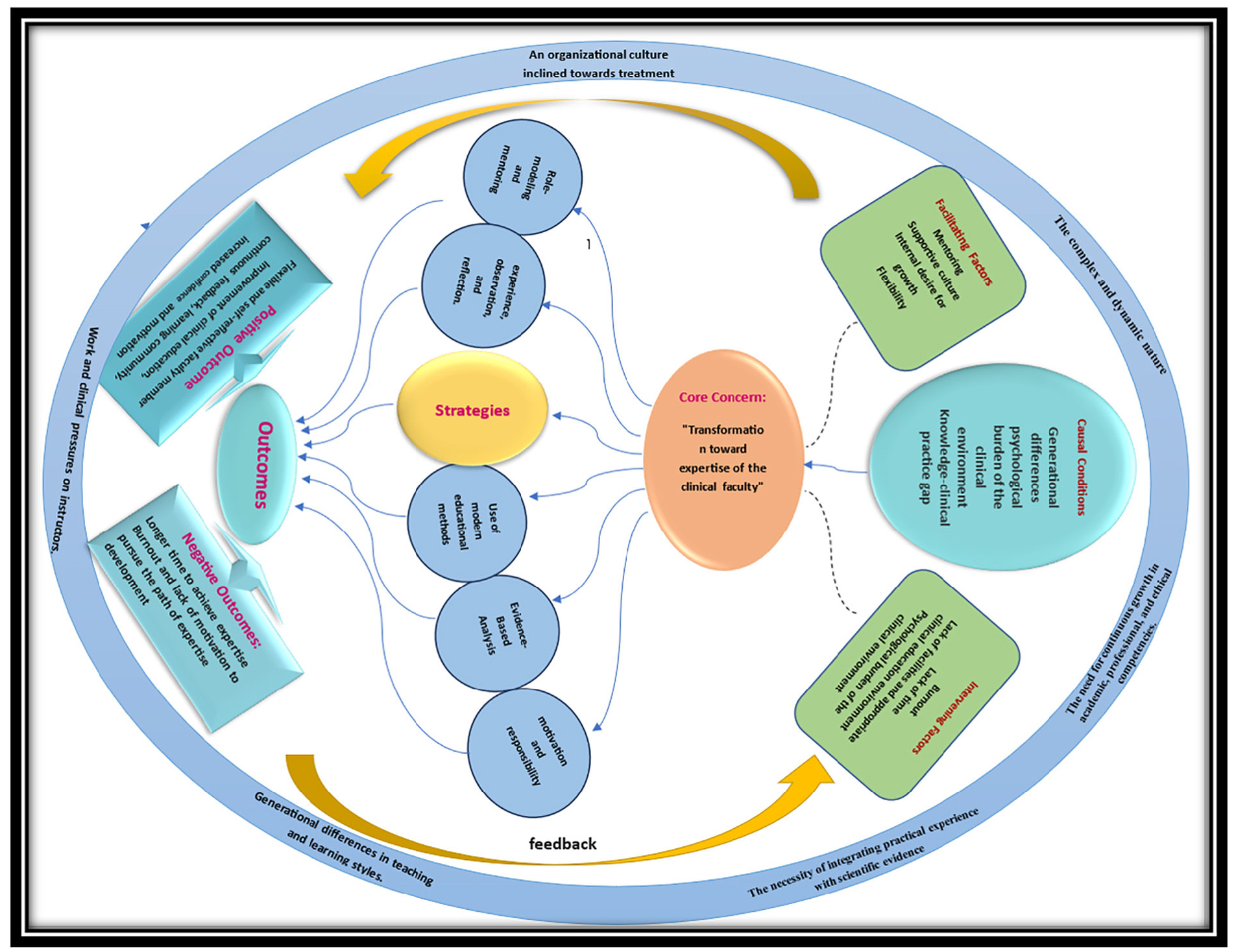
Figure 1.The theory of ‘the clinical medical teacher’s expertise process
Discussion
This study used a Grounded Theory approach to explain the process by which clinical medical faculty develop their expertise. Data analysis led to the formulation of the theory of “Gradual Transformation toward Expertise.” The theory conceptualizes expertise as a dynamic, interactive, non-linear process of development shaped by constant practice in the complex organizational and professional environment, rather than a static state or endpoint (3).
Identity transformation as the core mechanism
A central finding of this study is that expertise development is fundamentally an identity transformation, not merely skill acquisition. Participants described moving from seeing themselves as “expert clinicians who teach” to internalizing the identity of “transformative educators.” This finding extends Wald’s work on professional identity formation (19) by specifying that in the clinical teaching context, this transformation requires explicit reconciliation of two often-competing role expectations: clinical productivity and educational quality.
Notably, this identity shift was neither linear nor predictable among our participants. While Benner’s novice-to-expert framework (20) suggests progressive skill acquisition, our data showed that faculty could oscillate between identities depending on contextual factors (e.g., a heavy clinical load pushed them back toward a “clinician-only” identity). This supports Salam’s assertion that professional development pathways are inherently non-linear (21) and highlights a limitation of stage-based models when applied to dual-role professions.
Primacy of the Clinical Environment as a Developmental Laboratory
Our findings identify the intrinsic complexity of the clinical environment as a causal condition for expertise development, not merely a backdrop. Participants described how unpredictable situations and the need for immediate decisions forced them beyond routine protocols, a process that Mylopoulos, et al. (10) term “adaptive expertise.” However, our study adds that this environment is a double-edged sword: while it drives adaptation, without structured reflection, it can lead to burnout (as shown in our “Barriers to Expertise” category).
The three levels of reflection identified in our study (reflection-on-clinical-action, reflection-on-educational-action, and reflection-on-the-professional-self) operationalize Schön’s reflection-in-action concept (22), specifically for clinical educators. Unlike prior applications of Kolb’s experiential learning cycle (23) that treat experience as generic, our findings show that different types of experience (clinical, educational, and personal) require distinct reflective processes to be transformed into expertise.
Structural Tensions as the Most Consequential Causal Condition
Perhaps the most theoretically significant finding is the identification of structural tension between clinical roles and institutional reward systems as a primary inhibiting causal condition. While prior research has documented faculty burnout (24-26), our grounded theory explains how this structural mismatch directly impedes expertise development: it marginalizes educators’ identity, depletes the cognitive resources needed for reflection, and creates role conflict that causes the faculty to abandon educational pursuits.
This finding challenges the implicit individualistic assumption in many faculty development programs—that expertise is primarily a matter of personal effort or innate teaching talent. Instead, our model positions organizational factors (promotion criteria, workload distribution, treatment-centric culture) as equally or more influential than individual characteristics (27). This aligns with Rahmanian, et al. (28) but extends their work by showing how these barriers create a vicious cycle: structural disincentives → reduced reflection → slower expertise growth → further marginalization of education.
Strategies as a Reflective Practice Cycle, Not a Checklist
The strategies used by expert faculty in our study (conscious modeling, situated teaching-care integration, active feedback solicitation) are not discrete techniques but components of an integrated reflective practice cycle. This contrasts with competency-based checklists that list “good teaching behaviors” without explaining their interconnections (5, 7).
Two strategies merit special theoretical attention. First, conscious modeling through “think-aloud” protocols renders tacit clinical reasoning explicit. Our data showed that expert faculty did not just demonstrate correct actions; they verbalized their uncertainty and decision-making process. This finding extends research on clinical reasoning by showing that teaching expertise requires metacognitive transparency—the ability to articulate one’s own cognitive processes for learners (19). Second, creative integration of teaching and care reframes the perceived competition between these roles. Rather than seeing teaching as “added work,” expert faculty transform every clinical encounter into a learning opportunity. This is a concrete application of situated learning theory (29), but applied it is to faculty development rather than student learning.
Enablers and Barriers: Moving beyond Individual Responsibility
Our findings clearly distinguish between individual-level enablers (e.g., internal desire for growth, passion for teaching) and organizational-level ones (e.g., mentoring networks, aligned reward systems). While the former are frequently discussed in the faculty development literature, the latter emerged from our data as necessary conditions for expertise development; without organizational support, individual effort alone was insufficient (30). Conversely, the barriers identified (excessive workload, treatment-centric culture, deficient faculty development systems) are predominantly systemic (27). This finding is consistent with those of Shanafelt, et al. (25) on organizational determinants of burnout but specifies how these same factors directly impair expertise development. The implication is clear: interventions focused solely on individual skill-building (e.g., teaching workshops) will have limited impact if structural barriers remain unaddressed.
Outcomes: Integrated Expertise Versus Burnout
Our model proposes two possible outcomes along a continuum. At the positive end, integrated expertise describes faculty who can fluidly enact clinician, educator, and scholar roles in mutually reinforcing ways. Key characteristics include continuous self-reflection, capacity to facilitate deep learning, and commitment to mentoring. At the negative end, when structural conflicts dominate, the outcome is stagnation or burnout, often leading to abandonment of the educational role. This dual-outcome framing is novel; most expertise models assume a single positive trajectory (9, 14, 20). Our findings suggest that expertise development is not guaranteed—it can be arrested or reversed by unfavorable contextual conditions.
Comparison with Prior Qualitative Models in Medical Education
How does our model differ from existing qualitative work on clinical teaching? Previous studies have described characteristics of “good” clinical teachers (7), barriers to effective teaching (28), or general professional development pathways (21). Our grounded theory contributes a dynamic, causal model that explains:
Why do some faculty develop expertise while others stagnate (structural conditions)?
How does transformation occur (through identity shift and reflective practice cycles)?
When is expertise most likely to emerge (when individual effort aligns with organizational support)?
Unlike models developed in Western contexts (8, 10), our findings highlight the magnifying effect of treatment-centric culture in resource-constrained settings, where educational missions are systematically devalued. This contextual specificity is a key contribution to global medical education research.
Limitations
This study involved a relatively small sample of clinical faculty members and students from Iranian medical universities, which may limit the transferability of the findings to other cultural or institutional contexts. Data were derived from self-reported experiences, potentially introducing subjective bias. Furthermore, time constraints and institutional variations may have affected the depth of some interviews. It is recommended that future studies utilize longitudinal, multi-institutional designs with larger and more heterogeneous cohorts to validate these dimensions of clinical teaching expertise and evaluate their evolution across diverse educational and cultural settings.
Conclusion
The development of expertise in clinical education is a gradual, reflective, and multidimensional process that integrates personal growth, experiential learning, and professional adaptation. Our grounded theory demonstrates that clinical faculty expertise emerges from a dynamic interplay between individual effort, environmental factors, and accumulated experience—realized over time through deliberate practice, constructive feedback, and organizational support.
Three prioritized implications arise from this model:
Institutional leaders and policymakers must revise faculty promotion criteria to recognize educational excellence alongside research and clinical productivity. Without this structural change, individual efforts toward expertise development remain systematically undervalued.
Faculty development program designers need to shift from one-time workshops toward longitudinal, practice-based programs that explicitly target reflective practice cycles and identity transformation—not merely teaching skills.
Clinical department chairs should allocate protected time (e.g., 1–2 hours weekly) for faculty to engage in structured reflection and peer coaching on teaching practices. Expert clinical educators combine technical mastery with reflective insight, emotional intelligence, and the ability to foster motivation and accountability in learners. Organizational support, effective mentoring, and access to continuous professional development opportunities are fundamental enablers of this transformation. The strategies identified in this research provide both practical applications for faculty development programs and a conceptual framework for understanding the complexities of expertise acquisition in clinical environments. Future research should employ longitudinal, multi-institutional designs to validate this model and examine whether addressing structural barriers accelerates expertise development.
Acknowledgments
The authors sincerely thank all participants for their valuable contributions and the Vice-Chancellor for Research at Iran University of Medical Sciences for supporting this study.
Authors’ Contribution
All authors read and approved the final manuscript.
Conflict of Interest
The authors declare that they have no competing interests.
Declaration of AI
The authors declare that no generative AI tools were used in the preparation, analysis, or writing of this manuscript.
References
- Speziale HS, Streubert HJ, Carpenter DR. Qualitative research in nursing: Advancing the humanistic imperative. USA: Lippincott Williams & Wilkins; 2011.
- Charmaz K. Constructing grounded theory. UK: Sage; 2014.
- Corbin J, Strauss A. Basics of qualitative research: Techniques and procedures for developing grounded theory. UK: Sage publications; 2014.
- Roy C. Key issues in nursing theory: Developments, challenges, and future directions. Nurs Res. 2018; 67(2):81-92.
- Peyman H, Zarian A, Sadeghifar J, Alizadeh M, Yaghubi M, Yamani N. Characteristics of a Capable University Teacher from the Students’ Point of View. Iran J Med Educ. 2011; 10(5):1131-9.
- Ahmady S, Khani H. The situational analysis of teaching-learning in clinical education in Iran: a postmodern grounded theory study. BMC Med Educ. 2022; 22(1):520.
- Goldie J, Dowie A, Goldie A, Cotton P, Morrison J. What makes a good clinical student and teacher? An exploratory study. BMC Med Educ. 2015; 15(1):40.
- Cantillon P, Dornan T, De Grave W. Becoming a clinical teacher: identity formation in context. Acad Med. 2019; 94(10):1610-8.
- Persky AM, Robinson JD. Moving from novice to expertise and its implications for instruction. Am J Pharm Educ. 2017; 81(9):6065.
- Mylopoulos M, Steenhof N, Kaushal A, Woods NN. Twelve tips for designing curricula that support the development of adaptive expertise. Med Teach. 2018; 40(8):850-4.
- Gauthier G, Lajoie SP. Do expert clinical teachers have a shared understanding of what constitutes a competent reasoning performance in case-based teaching? Instr Sci. 2014; 42(4):579-94.
- Shagrir L, Altan MZ. The expert teacher educator: Characteristics and professional identity. Int J Univ Teach Fac Dev. 2014; 5(1):41.
- Ericsson A, Pool R. Peak: Secrets from the new science of expertise. USA: Random House; 2016.
- Aali A. Explaining the Models of the Development of Expertise in Teacher Education: the journey from acclimation to proficiency. Theory Pract Teach Educ. 2019; 5(7):9-22.
- Singha S, Sikdar D. Professional development of teacher and professionalism in teacher education. Int J Appl Soc Sci. 2018; 5(8):1320-32.
- Grossoehme DH. Overview of qualitative research. J Health Care Chaplain. 2014; 20(3):109-22.
- Tong A, Sainsbury P, Craig J. Consolidated criteria for reporting qualitative research (COREQ): a 32-item checklist for interviews and focus groups. Int J Qual Health Care. 2007; 19(6):349-57.
- Greenhill J, Richards JN, Mahoney S, Campbell N, Walters L. Transformative learning in medical education: Context matters, a South Australian longitudinal study. J Transform Educ. 2018; 16(1):58-75.
- Wald HS. Professional identity (trans) formation in medical education: reflection, relationship, resilience. Oxford University Press; 2015.
- Benner B. From Novice to Expert: Excellence and Power in Clinical Nursing Practice. Am J Nurs. 1984; 84(12):1480.
- Salam A, Abdelhalim A, Begum H, Pasha M. Faculty Development in Medical Education: What, Why and How. Int J Hum Health Sci. 2023; 7(1):3-8.
- Schön DA. The ref lective practitioner: How professionals think in action. UK: Routledge; 2017.
- Kolb DA. Experiential learning: Experience as the source of learning and development. UK: FT press; 2014.
- Nassar AK, Waheed A, Tuma F. Academic clinicians’ workload challenges and burnout analysis. Cureus. 2019; 11(11):e6108.
- Changes in burnout and satisfaction with work-life integration in physicians and the general US working population between 2011 and 2020. UK: Mayo Clinic Proceedings, Elsevier; 2022.
- Dyrbye LN, West CP, Johnson PO, Cipriano PF, Beatty DE, Peterson C. Burnout and satisfaction with work–life integration among nurses. J Occup Environ Med. 2019; 61(8):689-98.
- Sabagh Z, Moshtari M. The unintended consequences of a quantitative, centralized faculty promotion system: empirical evidence from a developing country. High Educ. 2025; 90(6):1547-69.
- Rahmanian M, Shafiei R, Shafa S, Taheri L, Kalani N. Barriers, Solutions, and Effective Motivational Factors for the Promotion of Clinical Faculty Members: A Qualitative Study. Dev Strateg Med Educ. 2023; 10(2):180-93.
- Battista A. Situated learning theory in health professions education research: a scoping review. Adv Health Sci Educ Theory Pract. 2020; 25(2):483-509.
- Khoshgoftar Z, Khaledian S, Khani H. Factors Influencing Faculty Participation in Medical Education Development Programs: A Qualitative Case Study. J Med Educ Curric Dev. 2025; 12:23821205251384382.

